Full story
Community Demands Take Shape After Election
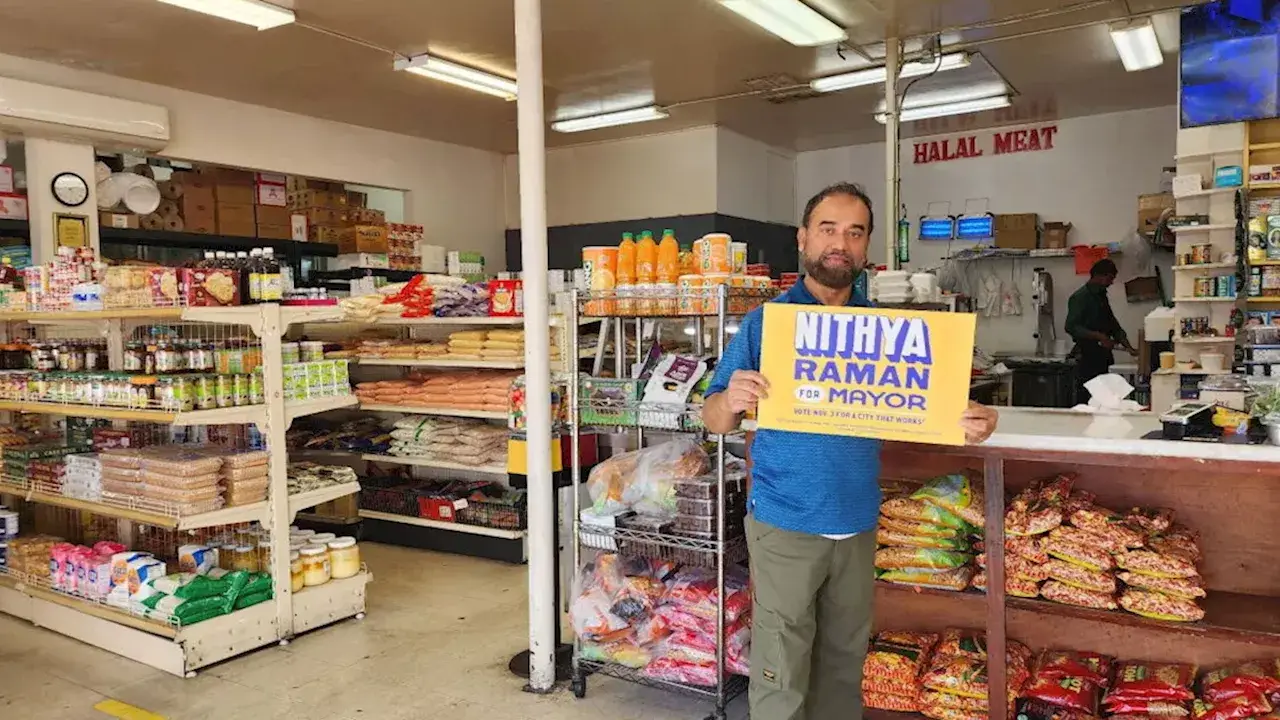
Residents of Los Angeles' Little Bangladesh say they have long felt ignored by city officials, but candidate Nithya Raman spent time listening to their concerns during the fall campaign. Following her victory, community members are now outlining specific issues they expect the mayor-elect to address.
Nazmul Chaudhry, owner of Deshi Food in Little Bangladesh, told customers and friends to vote for Raman after she spoke with community members about their problems. For seven years, Chaudhry has tried to get the city to fix a broken sidewalk in front of his store. He hopes this issue will be resolved now that Raman is the first South Asian mayor-elect of Los Angeles.
Chaudhry noted that he asked all his customers and family members to vote for Raman because she visited businesses and spoke directly to community members in Little Bangladesh. Bengalis shared excitement about voting for Raman at dinner parties, with Chaudhry and customer Mohamed Hassen both casting ballots for her.
Infrastructure and Safety Concerns
Chaudhry has spent seven years trying to get the city of Los Angeles to fix a broken sidewalk in front of his store. For the first time since he moved to the United States in 1989, Chaudhry is hopeful that the infrastructure issue will be addressed.
Chaudhry stated that city services do not do a good job keeping streets clean, so he picks up trash himself. He said people are "fed up" and that Nov. 3 represents a huge change. Additionally, Chaudhry noted a drop in foot traffic at his store due to increased ICE raids, with patrons fearing immigration enforcement.
Sara Sadhwani, associate professor of politics at Pomona College and senior researcher with AAPI Data, said Raman’s Indian background was a feature of her campaign but “not the central thesis.” Sadhwani noted that in 2020, research showed Indian Americans wanted more representation in politics, though some turned away from Kamala Harris in 2024.
Sadhwani stated that millennials and Gen Z expect diversity among a vast majority of Americans. She said South Asians have shifted from “model minority” to “governing minority,” moving away from the old script of being a “quiet professional.” Sadhwani observed that Raman and Zohran Mamdani are fighting for executive power in visible, messy city politics and won not by following the rule.
Hopes for Change
Chaudhry’s relatives in New York told him that NYC Mayor Zohran Mamdani, also of Indian descent, has “changed the whole city,” and Chaudhry hopes for similar change when Raman takes office in December. This comparison underscores the community's high expectations for tangible improvements in local governance and representation.
The shift in political engagement within Little Bangladesh reflects a broader trend where South Asian Americans are moving from passive observation to active participation in municipal politics. As Sadhwani noted, this is not just about symbolic representation but about securing executive power in the complex landscape of city administration.
For residents like Chaudhry, the election of Raman marks a potential turning point after years of neglect. The combination of personal outreach during the campaign and the shared cultural identity has created a sense of accountability that did not exist in previous mayoral races. As Raman prepares to assume office, the community is watching closely to see if the promises made on the streets of Little Bangladesh will translate into policy changes.