


A Personal History of Political Trauma
Sonia Gandhi’s memoir, titled Belonging: A Journey of Love, offers a rare glimpse into the private fears and emotional burdens that have shaped her public life. The book details her political journey, but it is anchored by the profound trauma of losing two key family members to political violence. The narrative begins with the assassination of her mother-in-law, former Prime Minister Indira Gandhi, on October 31, 1984. At the time of the attack, Sonia was residing in the prime minister’s residence in Delhi, placing her directly within the orbit of the tragedy that would alter the course of Indian politics.
The Weight of Succession
The memoir recounts the immediate aftermath of Indira Gandhi’s assassination by her Sikh bodyguards. In a moment of intense personal crisis, Sonia Gandhi pleaded with her husband, Rajiv Gandhi, to refuse the succession to the prime ministerial office. Her warnings were stark and desperate: "They will kill you; they will kill you, too!" The fear was not abstract but rooted in the immediate violence she had witnessed.
Rajiv Gandhi’s response to these fears was fatalistic. He told her, "They will kill me anyway," acknowledging the peril inherent in his position. Despite Sonia’s pleas, he was sworn in as prime minister that same evening. The memoir foreshadows the grim reality of this decision, noting that Rajiv Gandhi would later be assassinated in 1991, validating Sonia’s earlier fears.
Retreat and Reluctance
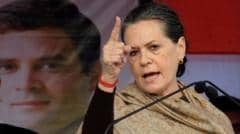
The loss of her husband marked a significant turning point in Sonia Gandhi’s relationship with public life. Following Rajiv's death, she retreated from the political spotlight, finding it increasingly difficult to engage with the public. The memoir describes how speeches became particularly challenging for her due to the fear that she might burst into tears while addressing crowds.
This emotional toll was evident even in private moments. Sonia Gandhi recounted an interaction with the Dalai Lama where she attempted to convey that she did not feel vengeful toward her husband's killers. However, the composure she sought to maintain broke down during this conversation, leading her to burst into sobs. This incident highlights the deep emotional scars left by the violence that targeted her family.
Initially, Sonia Gandhi refused to enter politics altogether. Her reluctance was not merely personal but ideological; she cited a strong dislike for the "ambition and greed, hypocrisy and treachery" she had witnessed in the political arena. This aversion was compounded by the loss of her mother-in-law and husband, making the prospect of re-entering that world unappealing.
A Return Driven by Duty
Despite her initial refusal, Sonia Gandhi eventually returned to lead the Congress party. The memoir describes this decision as being driven by a "mixture of pain and guilt" over the party's decline and the rising tide of Hindu nationalism. Her return was not motivated by personal ambition but by a sense of responsibility to counter what she perceived as a threat to the political landscape.
The narrative thus frames Sonia Gandhi’s political career not as a pursuit of power, but as a response to personal loss and a perceived duty to her party and country. The memoir serves as both a personal account of grief and a political statement on the forces that shaped modern India.