


Decades of Documentation Begin
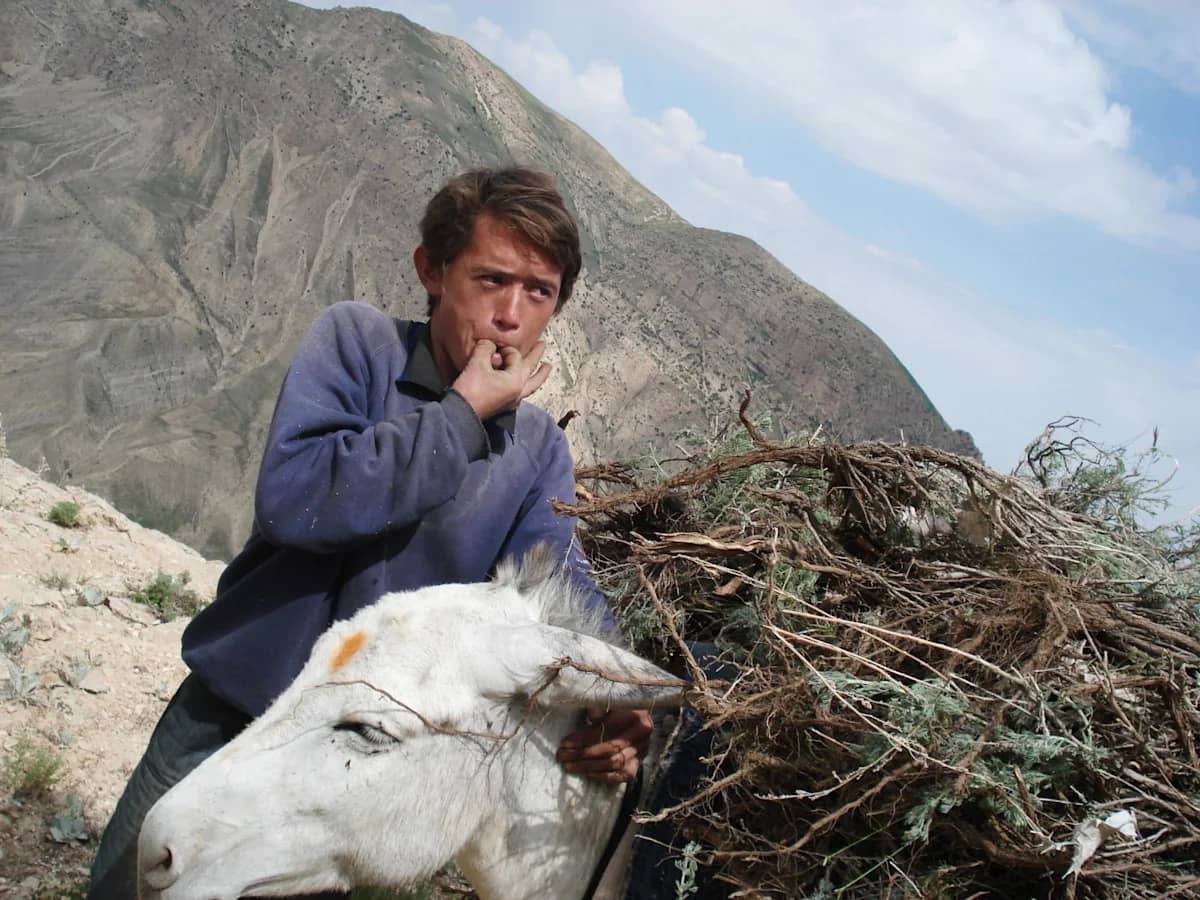
Mir Hussain remembers the first time he encountered a video camera. He noted that when he looked at it, "it looked straight back at me." This initial encounter marked the beginning of a long-term relationship with media that has since broadened and deepened over more than two decades.
Since 2002, filmmakers Phil Grabsky and Shoaib Sharifi have documented Mir’s life. The resulting film, titled "My Childhood, My Country – 20 Years in Afghanistan," was originally released in 2021. That earlier version won a Bafta award and introduced Mir and his family to television audiences.
The new release, "25 Years in Afghanistan," serves as an updated reversioning of the original documentary. While it contains significant footage from the previous film, its context has shifted dramatically due to recent geopolitical events. The review describes Mir’s life as extraordinary, characterized by both grinding poverty and impossibly hard work.
Life in Bamiyan and Urban Afghanistan
Mir’s early years were spent in the mountainous Bamiyan province of Afghanistan. He eked out a living through difficult labor before moving to urban areas within the country. Despite these economic hardships, Mir has maintained a remarkable level of exposure to the wider world through modern media.
This exposure has allowed him to deliver "love and laughter alongside his struggle," according to reviews of the updated film. The documentary captures his journey from childhood in rural Afghanistan to his experiences in urban settings, highlighting his resilience over 25 years.
Political Shifts and Withdrawal
The updated documentary is viewed through the lens of events that occurred in April 2021. During that month, U.S. President Joe Biden announced the withdrawal of American soldiers from Afghanistan. The review notes that this action effectively left the country to Taliban extremists, with the United States and its allies, including Britain, abandoning the region.
These recent developments have altered the reception of the documentary. The knowledge of the "incipient horror" that followed the withdrawal looms large over the film. According to the review, the entire narrative now feels like foreshadowing of the subsequent political and social changes.
Mir’s Perspective on His Homeland
Despite the hardships documented in the film and the political turmoil surrounding his country, Mir maintains a strong connection to Afghanistan. He explicitly states his affection for the nation in the documentary.
"This is the story of my country," Mir says. "A country that, despite everything, I love." This statement underscores the central theme of the film: an optimist’s journey through decades of change, poverty, and political upheaval.
Continuity of the Narrative
The updated film retains the core footage from the 2021 Bafta-winning documentary while adding the weight of recent history. The original filmmakers, Phil Grabsky and Shoaib Sharifi, began their documentation in 2002, capturing Mir’s story as a child.
The new release does not introduce new long-form narrative arcs but rather reframes the existing footage. The review highlights that the film hits "very differently" now than it did when first released. The juxtaposition of Mir’s personal growth and optimism against the backdrop of national collapse creates a distinct viewing experience for contemporary audiences.
Media Exposure and Global Reach
Mir’s life has been unusual in its intersection with global media. From his first encounter with a camera to his appearance on screens in 2021, his story has reached international audiences. The review notes that this exposure has provided him with opportunities and perspectives that contrast with the "grinding poverty" of his daily existence.
The documentary serves as a chronicle of this unique life. It tracks Mir’s development from a child in Bamiyan to an adult navigating the complexities of modern Afghanistan. The film’s title, "25 Years in Afghanistan," reflects the span of time covered by the documentation, starting from 2002 to the present day.
The Role of Filmmakers
Phil Grabsky and Shoaib Sharifi are credited with initiating the documentation that forms the basis of both the original and updated films. Their work has followed Mir since he was a child, creating a continuous visual record of his life.
The updated film relies on this extensive archive. It does not discard the past but uses it to highlight the contrast between Mir’s personal optimism and the country’s deteriorating political situation. The review emphasizes that the film is now viewed in the context of the U.S. withdrawal and the Taliban takeover, which occurred after the original 20-year mark was documented.
Themes of Optimism and Resilience
The review titles the documentary’s subject as "the extraordinary life of an optimist." This characterization is derived from Mir’s continued expression of love for his country despite the challenges he has faced.
The film captures moments of humor and affection alongside the documentation of poverty and labor. These elements are presented as part of Mir’s daily reality in both Bamiyan province and urban Afghanistan. The review notes that Mir managed to deliver "love and laughter" throughout his journey, even as the political landscape around him shifted.
Historical Context of the Documentaries
The original film, "My Childhood, My Country – 20 Years in Afghanistan," was released in 2021. It won a Bafta award and established Mir’s story as a significant piece of documentary cinema.
The new release, "25 Years in Afghanistan," updates this narrative. It includes footage from the original film but places it in a new context. The review states that the film now feels like foreshadowing due to the events of April 2021. This includes the announcement by President Joe Biden and the subsequent withdrawal of U.S. and allied troops.