


Trade and Strategic Alignment Take Center Stage
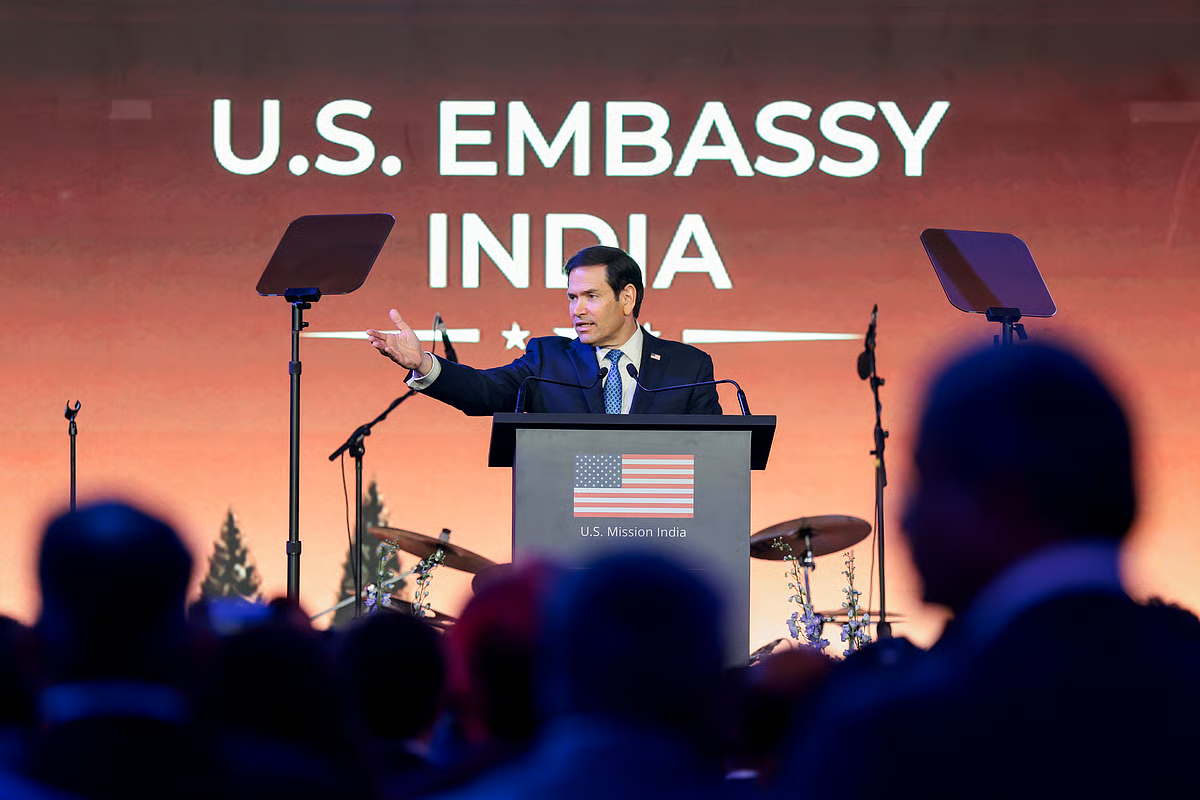
U.S. Secretary of State Marco Rubio and Indian External Affairs Minister S Jaishankar held discussions in Mumbai on Tuesday, Oct. 20, 2026, focusing on expanding bilateral cooperation across trade, energy, technology, and defense sectors. The meeting took place at the Jio World Convention Centre during a Freedom 250 reception.
Rubio stated that the two nations are racing to conclude a bilateral trade agreement on mutually acceptable terms. He noted that the pact is close to completion as both governments seek to advance their relationship despite existing frictions over tariffs, immigration policies, and visa regulations. The urgency of this timeline reflects the broader strains over visa policies and sanctions that have characterized recent diplomatic interactions.
Jaishankar emphasized the role of Indian professionals in the American technology sector. "Indian talent, skills have shaped the tech era in the United States," Jaishankar said, highlighting the contributions of Indian workers to the U.S. technology ecosystem. He added that countries are recalibrating their policies as the global order transitions, emphasizing the need for expanding convergence between the two nations during this period of geopolitical shift.
Rubio described India and the United States as two major powers with substantial alignment on core issues defining their national interests. He acknowledged that disagreements between the two nations are inevitable but stressed the importance of managing them within a broader framework of strategic convergence.
Energy Trade and Venezuelan Crude Offered
A significant portion of the dialogue focused on energy supply chains. Rubio argued that increasing energy trade with the United States would help India diversify its supply chains while meeting its growing consumer demand. This push for diversification is part of a broader effort to stabilize energy imports amid global market volatility.
Rubio specifically pitched Venezuelan crude oil to Indian refiners. He cited India's refining capacity as a key factor, suggesting that Indian companies could process this oil source. He stated he planned to discuss this opportunity directly with Reliance Industries during a subsequent visit to Jamnagar, signaling a potential shift in energy partnerships.
Addressing existing energy ties, Rubio noted that Indian companies already hold oil concessions in Venezuela. He also addressed questions regarding India's purchases of Russian oil during the talks, clarifying the administration's stance on alternative energy sources and their implications for bilateral relations.
Defense and Nuclear Cooperation
The Secretary of State welcomed progress made in bilateral defense and civil nuclear cooperation. He advocated for increased Indian purchases of American technologies and defense systems to further strengthen military ties between the two countries. This advocacy underscores the U.S. goal of deepening strategic interdependence through high-tech industrial collaboration.
Terrorism and Diplomatic Precedents
Jaishankar reiterated India's stance on cross-border terrorism, stating that partners must demonstrate zero tolerance for such activities. He affirmed India's right to defend itself against threats, reinforcing the diplomatic pressure on neighboring states to curb militant activities.
In a specific diplomatic development, Jaishankar welcomed the extradition of Tahawwur Rana, identified as a key accused in the 2008 Mumbai terror attacks. This event was highlighted during the discussions as part of the broader cooperation between the two nations, marking a significant milestone in counter-terrorism collaboration.