


New Demands Enter Mediation Framework
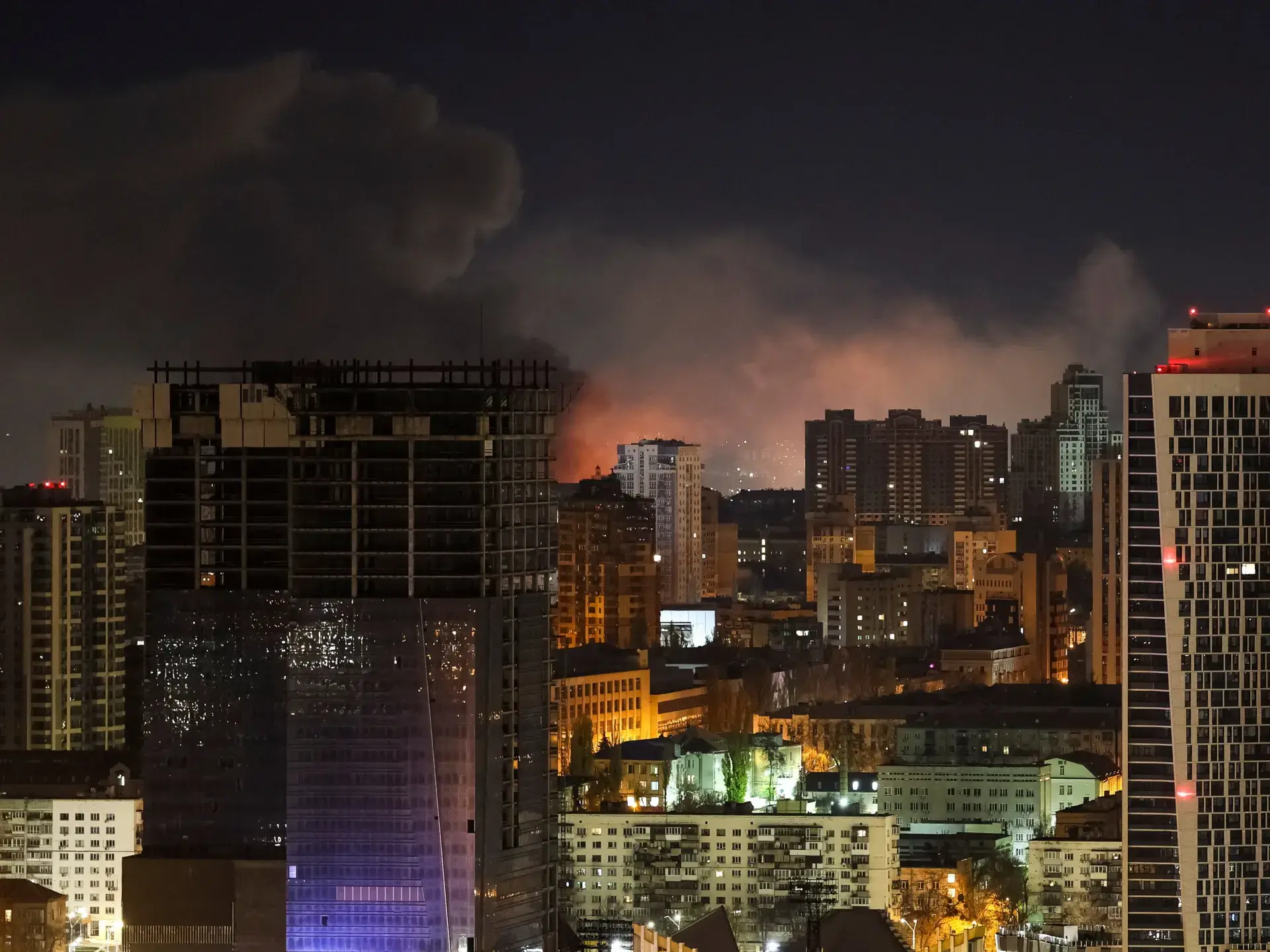
The administration of United States President Donald Trump restarted three-way talks between Moscow and Kyiv with a meeting in Abu Dhabi earlier this month to mediate the ongoing war in Ukraine. During these negotiations, Russia introduced European security architecture as a new item of disagreement, demanding far-reaching concessions from the United States and Europe to halt attacks on Ukrainian cities and critical infrastructure.
The specific conditions presented by Moscow include demands for NATO to withdraw forces from allies on the eastern flank and commit to not accepting new members. Additionally, Russia is calling for the cessation of European military support for Kyiv, a prohibition on the deployment of forces on Ukrainian soil, and Finland exiting NATO to revert to neutrality.
Further requirements listed by Moscow include prohibiting Ukraine’s participation in EU defense initiatives and preventing the extension of British and French nuclear umbrellas to European allies. These demands represent a significant expansion of the scope of negotiations beyond immediate ceasefire terms.
Historical Precedents and Rejections
The current demands mirror conditions Russia presented to the United States and NATO in December 2021, prior to the full-scale invasion of Ukraine. At that time, Moscow submitted two draft treaties containing similar stipulations, such as scrapping NATO’s open-door policy and rolling back defense infrastructure to 1997 levels.
The United States rejected those 2021 demands but indicated readiness to engage in negotiations regarding intermediate and short-range missiles, transparency measures, risk reduction, and arms control. Since late 2021, the Kremlin has maintained that "the root causes" of the conflict must be addressed in any settlement.
Responses from Kyiv and European Allies
Ukraine has made it clear it will not stop fighting, citing successful strikes against the Kerch bridge and Russian ships in the Baltic and off Libya’s coast in the Mediterranean. The Ukrainian position remains firm despite the ongoing diplomatic efforts.
European nations have also signaled their stance on the conflict. Europe will not stop supporting Kyiv despite uncertainty about funding and the rise of Ukraine-sceptical parties in key countries. This continued support underscores the divergence between Moscow’s security demands and the current policy direction of Western allies.
Interpretations of Russian Strategy
The nature of Russia’s latest proposals has drawn varied analysis from observers. The more benign interpretation of Russia’s overly ambitious demands is that they constitute a negotiation strategy to set a high asking price to extract maximum concessions from the United States and Europeans.
Alternatively, these moves may serve as a diversion from other aspects of the conflict. As the war enters its fifth year, the introduction of broad security architecture issues into mediation talks highlights the complex challenges facing diplomatic efforts to end the bloodshed and destruction.