

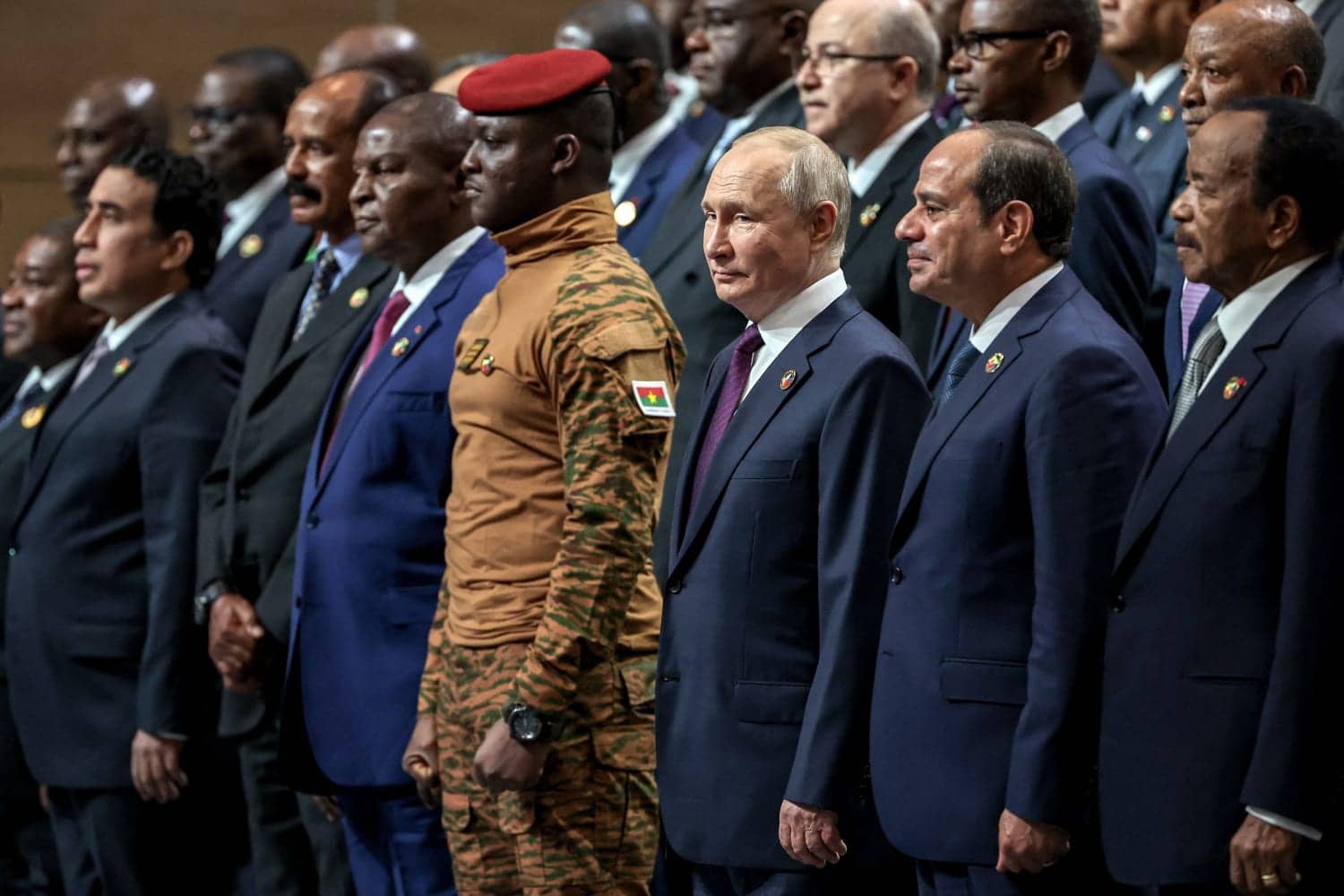

Official Statements on Summit Preparations
Moscow has outlined specific expectations for the upcoming Russia-Africa Summit 2026, which is scheduled to take place in October. The Russian government indicated that the event will serve as a pivotal platform for formalizing economic ties through the execution of various legal and commercial instruments. This strategic intent suggests a move beyond preliminary discussions and declarations of intent, aiming instead for concrete, legally binding agreements that can underpin long-term cooperation across diverse sectors.
During a briefing held on August 20, 2026, Maria Zakharova, the spokesperson for the Russian Foreign Ministry, provided granular details regarding the anticipated outcomes of the gathering. Zakharova stated unequivocally that organizers expect "a substantial package of intergovernmental documents and commercial contracts is planned to be signed during the Russia-Africa summit." This declaration was made in the context of broader diplomatic efforts to strengthen bilateral relationships between Moscow and African nations, underscoring the high-level commitment from the Russian side to the summit's economic agenda and its perceived importance in Russia's foreign policy.
The emphasis on both "intergovernmental documents" and "commercial contracts" highlights a deliberate, dual-track approach to fostering economic engagement. Intergovernmental agreements are designed to establish the overarching legal and regulatory environment, facilitating state-to-state cooperation and providing a stable framework for economic activities. Concurrently, commercial contracts represent concrete business-to-business deals, which are crucial for driving direct investment, technology transfer, and tangible trade flows between Russian and African enterprises. This combination is intended to create a comprehensive and robust foundation for economic interaction, addressing both policy-level facilitation and ground-level execution.
The spokesperson further emphasized that the foundation for these agreements rests firmly on shared economic objectives. According to Zakharova, there is a "mutual interest in stepping up our trade and investment cooperation," which she cited as the primary driving force behind the planned signings. This statement positions the summit as a response to genuine demand from both sides for enhanced economic partnership. The Russian Foreign Ministry positioned these upcoming documents not merely as symbolic gestures, but as substantive evidence of deepening engagement, aiming to demonstrate measurable progress in economic diplomacy between Russia and the African continent.
Assessing the Implementation of Economic Commitments
The announcement by the Russian Foreign Ministry comes amid significant international scrutiny regarding the practical application of diplomatic rhetoric in international relations. Analysts and observers note that the Russia-Africa Summit 2026 faces a crucial test to deliver on investment promises made during previous engagements. This scrutiny reflects a broader trend where the signing of agreements, while important, is increasingly viewed as an initial step, with the ultimate measure of success resting on their subsequent implementation and tangible impact on the ground.
The challenge for the upcoming summit lies in ensuring that the formal signing of intergovernmental documents and commercial contracts translates effectively into concrete economic activity. The expectation is that the summit will move beyond diplomatic protocol to establish clear, actionable mechanisms for trade expansion, investment facilitation, and the execution of specific development projects. This means demonstrating actual capital flows, the initiation of infrastructure projects, the creation of employment opportunities, and measurable growth in trade volumes across various sectors in African markets.
The timing of the briefing on August 20, 2026, just weeks before the October event, suggests that preparations are in their final, critical stages. The emphasis placed by Maria Zakharova on a "substantial package" indicates a deliberate attempt by Moscow to signal confidence and to set high expectations for the summit's outcomes. However, the true success of these efforts will likely be measured not solely by the volume or value of documents signed during the summit, but by the subsequent, diligent implementation of the signed contracts and the actual, verifiable flow of investment into African economies in the months and years that follow.
Building Enduring Economic Partnerships
The stated mutual interest in increasing trade and investment cooperation serves as the central, overarching theme of Russia's preparatory communications for the 2026 summit. By consistently highlighting this specific area of engagement, Moscow aims to align its diplomatic output with clear economic incentives for participating African states. This strategic focus suggests an understanding that sustained and robust international partnerships require demonstrable economic benefits for all parties involved, moving beyond purely political solidarity to foster resilient and mutually beneficial commercial ties.
The planned signings are specifically intended to address existing gaps and unlock new opportunities in commercial relations between Russia and African nations. The Russian Foreign Ministry’s focus on intergovernmental documents is indicative of an effort to create a stable, transparent, and predictable regulatory framework for future business activities. Such frameworks are paramount for reducing perceived risks and uncertainties for potential investors and partners from both regions, providing the legal clarity and predictability that are essential for attracting and sustaining long-term investment projects and facilitating complex trade agreements.
Furthermore, the emphasis on a "substantial package" of commercial contracts signals a direct and concerted push for enhanced private sector involvement and the establishment of concrete business deals. These contracts are anticipated to span a wide array of sectors, reflecting the diverse economic landscapes and opportunities for collaboration across the African continent. The successful negotiation and, crucially, the effective execution of these agreements will be pivotal in demonstrating the practical viability and tangible benefits of Russia's economic engagement strategy in Africa, moving from pledges to demonstrable progress.
As the October summit approaches, the international community, along with African stakeholders, potential Russian investors, and global economic observers, will be closely monitoring whether the stated "mutual interest" translates into measurable and sustainable economic outcomes. The ultimate delivery of investment promises will depend not only on the formal execution of the planned commercial contracts and strict adherence to the terms outlined in the intergovernmental documents, but also on the creation of an enabling environment conducive to their sustained implementation, growth, and positive impact on African economies.