

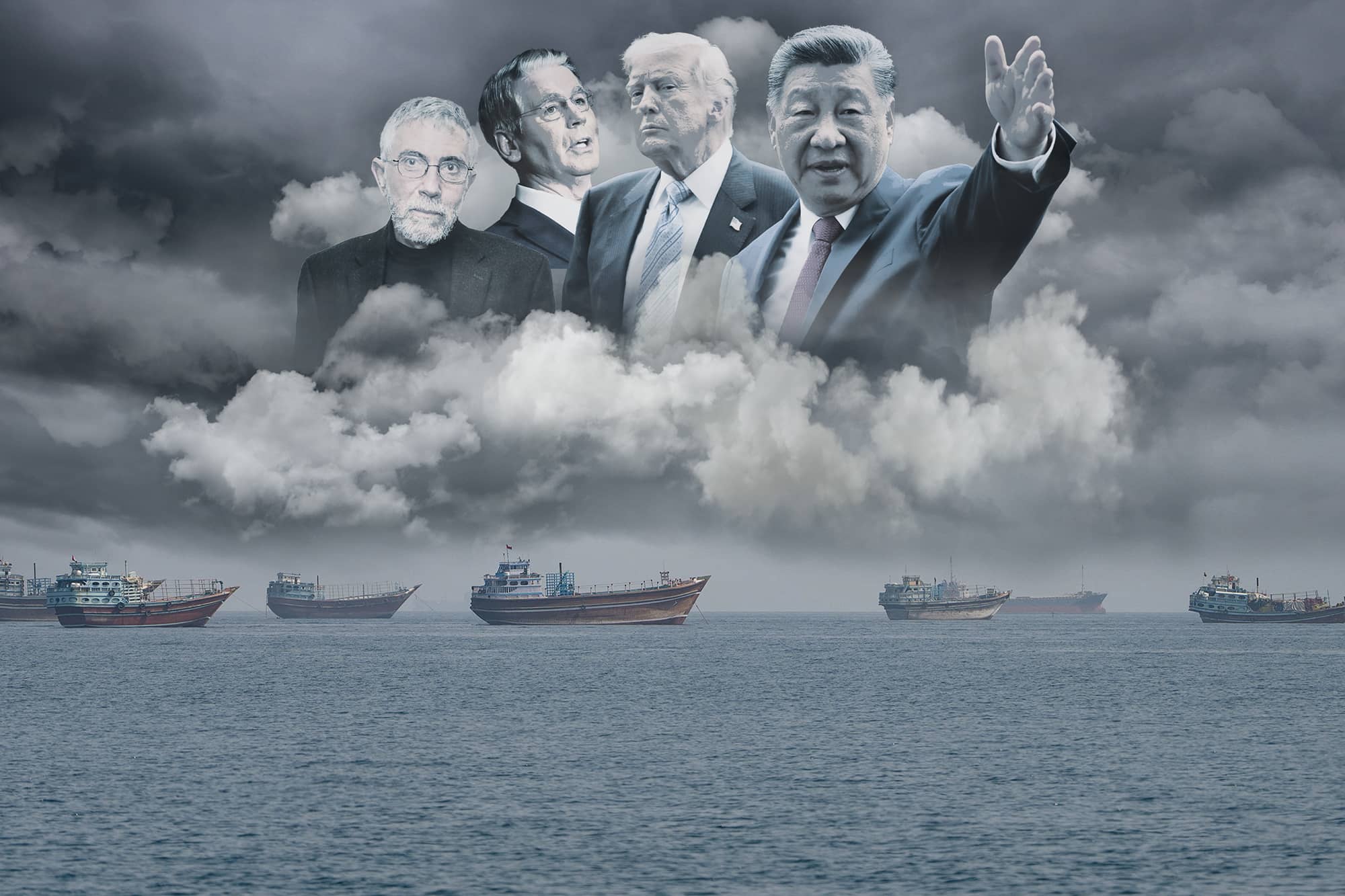

Initial Sanctions Package Targets Iranian Network
Treasury Secretary Scott Bessent has implemented an initial sanctions package targeting approximately 60 individuals, companies, and vessels linked to Iran. This decisive move represents the opening phase of a broader economic strategy specifically aimed at increasing sustained pressure on the Iranian government and its associated networks.
The scope of these initial sanctions is intentionally broad, encompassing a diverse array of assets and actors within the intricate Iranian network. By meticulously focusing on these specific entities—ranging from key individuals to various corporate structures and maritime assets—the U.S. Treasury is attempting to systematically disrupt the financial channels that are crucial for supporting the regime's activities. This targeted approach seeks to isolate and incapacitate the economic lifelines that enable the Iranian government to project influence and fund its operations.
The inclusion of individuals, companies, and vessels underscores an effort to dismantle a multifaceted network rather than merely targeting state-owned enterprises. This suggests an understanding that Iran's economic activities often rely on a complex web of overt and covert entities, requiring a comprehensive strategy to effectively curb their reach and financial capabilities. The initial package is designed not just as a punitive measure, but as a foundational step to demonstrate the resolve behind the new economic offensive.
Strategic Assessment of Economic Pressure
Analysts describe this newly implemented strategy as potentially powerful, contingent upon a critical factor: the unwavering and sustained commitment demonstrated by Western nations. The prevailing assessment suggests that Iran’s regime can indeed be economically constrained, but achieving this desired outcome will not be immediate. Instead, it is projected to necessitate a prolonged period of economic hardship for the regime, potentially lasting several months.
This perspective frames the core of the contest not as a complex exercise in the intricate architecture of sanctions design, but rather as a fundamental test of endurance. The implication is that the technical specifics of the sanctions, while important, are secondary to the political will and steadfastness of the nations enforcing them. This simplifies the conflict into a struggle of patience and economic resilience, pitting the sustained resolve of the United States and its allies against Iran's capacity to withstand prolonged financial pressure.
The strategy posits that the Iranian regime's economic vulnerabilities, when consistently exploited through sanctions, can lead to significant constraints on its operations and ambitions. However, the duration of this pressure is paramount. The 'months' of hardship are not merely a timeframe but an indicator of the deep-seated economic challenges the sanctions aim to inflict, designed to gradually erode the regime's financial stability and operational capacity.
Challenges to Credibility
Despite the strategic clarity of the current approach, the effectiveness of President Trump's economic measures against Iran has been met with significant skepticism. This skepticism largely stems from past credibility issues that have cast a long shadow over the long-term viability of current sanctions efforts.
Critics point to a decade during which President Trump's actions and rhetoric were perceived to have undermined not only his own credibility but also the broader credibility of America on the international stage. This erosion of trust and predictability, built over a sustained period, raises questions among allies and adversaries alike regarding the consistency and ultimate resolve of U.S. foreign policy. Such past inconsistencies make it challenging to convince international partners to fully commit to a prolonged sanctions regime, and equally, for Iran to believe in the steadfastness of the pressure.
The perceived wavering of U.S. commitment in previous instances has created a climate where the current sanctions package, despite its strategic intent, faces an uphill battle in establishing its long-term impact. The challenge lies in overcoming this historical baggage and demonstrating a new level of unwavering resolve that can persuade both international stakeholders and the Iranian regime of the seriousness and durability of the economic offensive.
Nevertheless, proponents of the current strategy argue that behind the initial theatrics and past political complexities lies a potentially powerful and morally justifiable approach. They contend that the pursuit of a just cause—namely, constraining a regime through economic means—can still succeed if the West can collectively maintain its stance and commitment over the necessary timeframe. The success of this approach, therefore, hinges less on the initial implementation and more on the sustained political will and unity of purpose among Western nations to see the strategy through its projected months of hardship for the Iranian regime.