


Russia's Strategic Pivot Toward the Arctic
In an era characterized by what many observers describe as a new Cold War, geopolitical dynamics are profoundly reshaping global commerce. Traditional maritime pathways that have long served as arteries for international shipping are increasingly viewed through a lens of vulnerability. Analysts note that these established routes face growing risks due to the overt weaponization of maritime chokepoints and persistent instability in specific, critical regions.
Against this backdrop of heightened global uncertainty, Russia is undertaking significant development along its northern coastline, focusing on what is known as the Northern Sea Route (NSR). Officials in Moscow view this passage not merely as a seasonal channel for resource transport or adventurous expeditions but as a critical component of a broader Trans-Arctic Transport Corridor. This ambitious initiative aims to fundamentally reroute global trade flows, secure vital energy exports for the nation, and anchor what Moscow terms a strategic "pivot to the East." This profound strategic reorientation represents a calculated adaptation by great powers seeking viable alternatives when southern maritime routes become fraught with disruption and peril.
Rising Vulnerabilities in Global Shipping Lanes
The motivation for this expansion is deeply rooted in specific and escalating geopolitical concerns regarding traditional shipping lanes. Reports indicate that immediate and severe disruptions caused by Houthi forces in the Red Sea currently present substantial challenges for global merchants, forcing detours and increasing transit times and costs. Furthermore, the persistent threat of potential blockades at the Strait of Hormuz, a critical chokepoint for oil shipments, and ongoing tensions within the Strait of Malacca, one of the world's busiest shipping lanes, add layers of profound uncertainty and risk to southern maritime corridors.
Compounding these acute regional issues is a reported increase in naval presence and military posturing in contested waters, notably in areas such as the South China Sea. These multifaceted factors collectively drive nations like Russia to actively seek and develop alternative pathways. The Arctic, previously considered too challenging for widespread commercial navigation, is now seen as a viable option, where the accelerating melting of sea ice conditions is creating new opportunities for navigation that were previously unavailable or severely limited by seasonal constraints.
Moscow's Long-Term Vision for Arctic Trade
Russia's commitment to the Northern Sea Route transcends immediate responses to current crises; it is a foundational element of a long-term strategic vision. Moscow considers the NSR a strategic lifeline, vital for its economic future and geopolitical standing. The development of the Trans-Arctic Transport Corridor is designed to serve as a permanent, reliable alternative to southern routes, providing a secure passage for both international commerce and Russia's own resource exports, particularly energy. This focus on securing energy exports through a less vulnerable route underscores the strategic imperative behind the Arctic expansion.
The "pivot to the East" is not merely a diplomatic slogan but a comprehensive reorientation of Russia's economic and political focus towards Asian markets. The NSR is integral to this strategy, facilitating direct and efficient trade links with major Asian economies, thereby reducing reliance on traditional Western-dominated routes and partners. This strategic shift north is directly driven by the increasing weaponization of traditional maritime chokepoints and the broader landscape of disruptions in southern routes, positioning the NSR as a crucial artery in a new global trade architecture.
Economic and Logistical Advantages of the Northern Route
The primary driver behind the significant expansion and promotion of the NSR is its undeniable potential to offer substantial logistical efficiency compared to established southern routes. Data provided in various reports suggests that utilizing this Arctic passage can slash distances between major Asian and European ports by up to 40%. This dramatic reduction translates into saving thousands of kilometres from traditional shipping tracks, directly impacting fuel consumption, operational costs, and environmental footprints for shipping companies.
Time savings are equally significant according to available metrics, representing a crucial competitive advantage. The Northern Sea Route is cited as potentially cutting transit times between these key hubs by up to two weeks when compared with passage through the Suez Canal. For carriers navigating around the Cape of Good Hope, which serves as a lengthy and often perilous alternative southern route, officials note that this path remains simply too long, too costly, and too time-consuming for the demands of modern, efficient commercial requirements.
These profound advantages are particularly relevant given the current and anticipated disruptions affecting global supply chains. The ability to bypass weaponized or contested maritime chokepoints offers a robust strategic hedge against uncertainty and geopolitical volatility. By hugging the northern coastline of Russia, shipping lines can avoid specific geopolitical flashpoints while maintaining direct and reliable access between East Asia and Europe, ensuring greater predictability and security for international trade.
Melting Arctic Ice Reshapes Navigation Possibilities
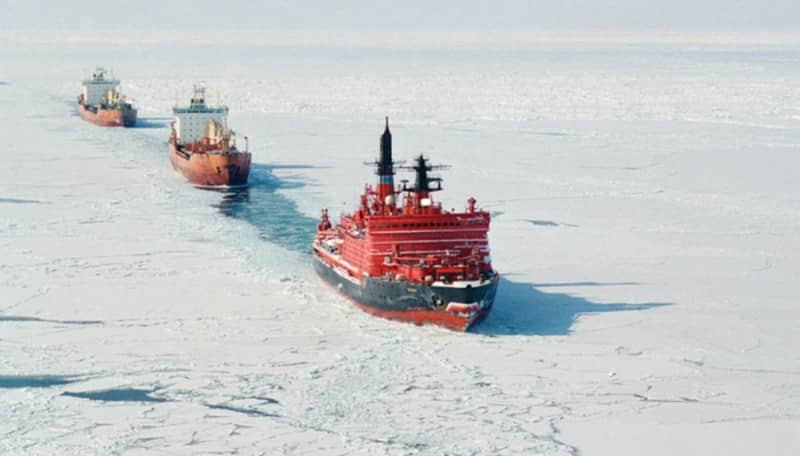
The ongoing physical transformation of the Arctic environment plays a central and enabling role in making this ambitious expansion viable. The accelerating melting of sea ice is progressively creating new and extended windows of opportunity that allow vessels to traverse previously impassable waters, potentially year-round or during significantly extended periods of navigation. This environmental shift is fundamentally transforming the NSR from what was once considered a niche route, suitable only for specialized operations or ice-hardened vessels, into a potential backbone for global trade, capable of accommodating a wider array of commercial shipping.
However, the source material notes that while new opportunities open simultaneously, so do new complexities and risks as these conditions change. Nevertheless, the strategic value of the NSR in this evolving climate lies precisely in its capacity to serve as a secure and efficient alternative corridor, especially when southern alternatives become unreliable due to ongoing conflict, political instability, or the persistent threat of blockades. This makes the NSR a crucial component in the future resilience of global supply chains.