

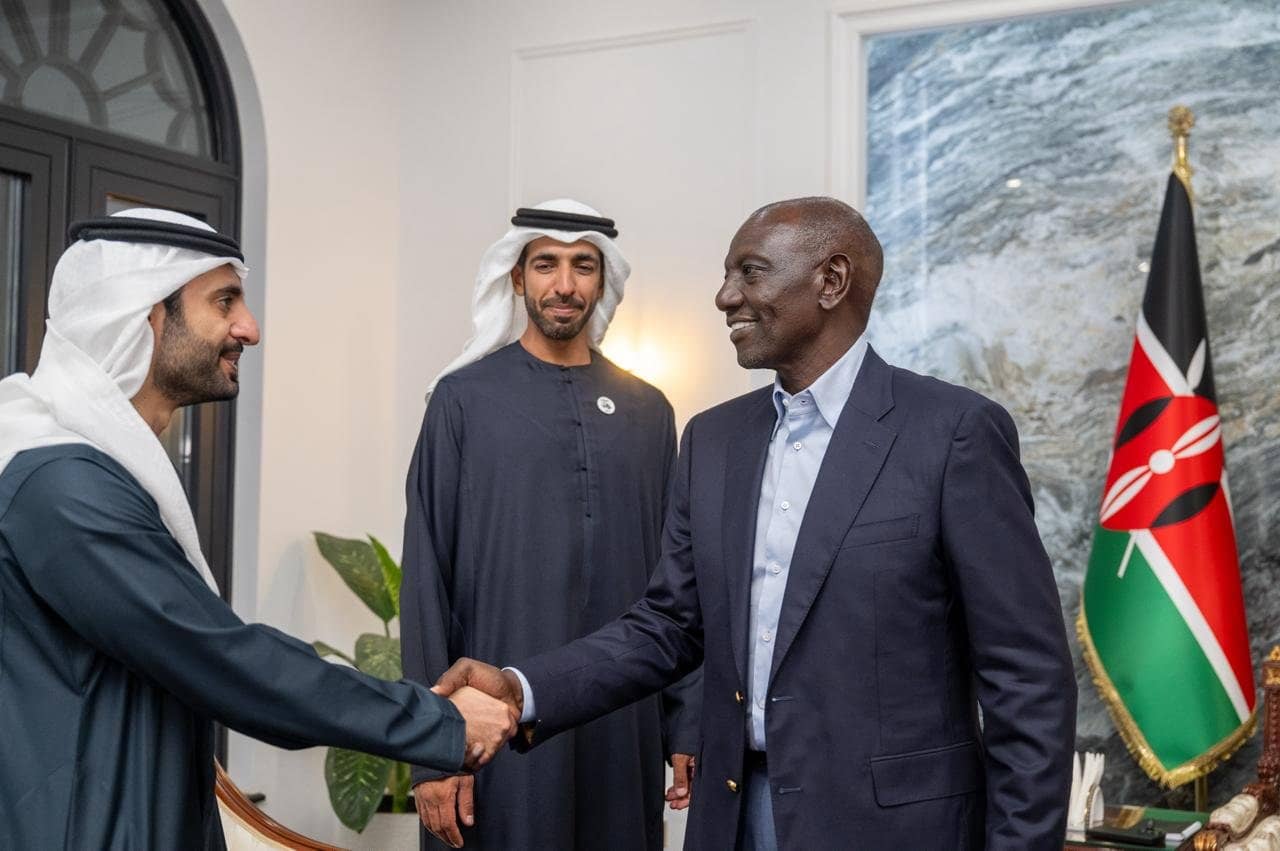

State House Meeting Focuses on Economic Cooperation
President William Ruto met with Sheikh Shakhboot bin Nahyan Al Nahyan, the UAE Minister of State in the Ministry of Foreign Affairs, at State House in Nairobi on Friday, October 23, 2026. During the engagement, Ruto reaffirmed Kenya’s commitment to deepening trade and investment relations with the United Arab Emirates.
In a statement following the meeting, Ruto noted that Kenya and the UAE share common objectives and warm diplomatic ties. He added that both nations would continue strengthening their relationship to facilitate more trade and investments between the two countries.
The meeting occurred against a backdrop of strategic interest in energy security for Nairobi. The UAE is a major petroleum supplier to Kenya, and its position in global energy markets makes the partnership important to the Kenyan government. Although no new oil agreement or changes to fuel-import arrangements were announced during the visit, the engagement addresses Kenya’s reliance on imported petroleum products and its vulnerability to geopolitical disruptions in international energy markets.
Trade Data and Supply Chain Dependencies
Data from the World Bank World Integrated Trade Solution indicates that Kenya imported approximately $2.18 billion worth of petroleum oils and preparations, excluding crude oil, from the UAE in 2025. This figure represents more than half of Kenya’s reported imports in that specific category.
Kenya’s Government-to-Government petroleum import framework has historically involved suppliers including Abu Dhabi National Oil Company (ADNOC) alongside other Gulf-based trading companies. The continued diplomatic engagement suggests an effort to maintain stable supply lines for these essential goods.
Geopolitical Shifts in Global Oil Markets
The timing of the meeting follows significant changes in the structure of global oil production agreements. The UAE announced its departure from OPEC effective May 1, 2026. Prior to this withdrawal, the UAE was a significant member and influential participant in decisions affecting oil supply.
Production levels remain substantial for the region. The US Energy EIA estimated that the UAE produced an average of 3.4 million barrels of crude oil per day in 2025.
Logistical factors also influence energy security calculations for importers like Kenya. The Strait of Hormuz serves as a major route for international energy shipments, and disruptions there can increase shipping risks and put upward pressure on prices. To mitigate some of these risks, the UAE has infrastructure allowing some crude exports to bypass the strait through Fujairah.