


Demographic Shifts and Cultural Leadership in Rwanda
Rwanda’s cultural landscape in 2026 is defined by a rapidly growing population and a strategic push to elevate traditional arts on the global stage. According to data from the national statistics office released in October 2026, the country’s population reached 14,418,145. This demographic expansion has intensified interest in preserving indigenous heritage while simultaneously fostering a new generation of creative professionals.
At the forefront of this cultural renaissance are several prominent figures whose work spans literature, film, and music. Novelist Scholastique Mukasonga continues to influence global discourse on Rwandan history, while director Joël Karekezi and producer Eric Kabera lead the charge in visual storytelling. The music scene is anchored by artists such as Bruce Melodie, The Ben, and Ariel Wayz, who have become synonymous with modern Rwandan identity.
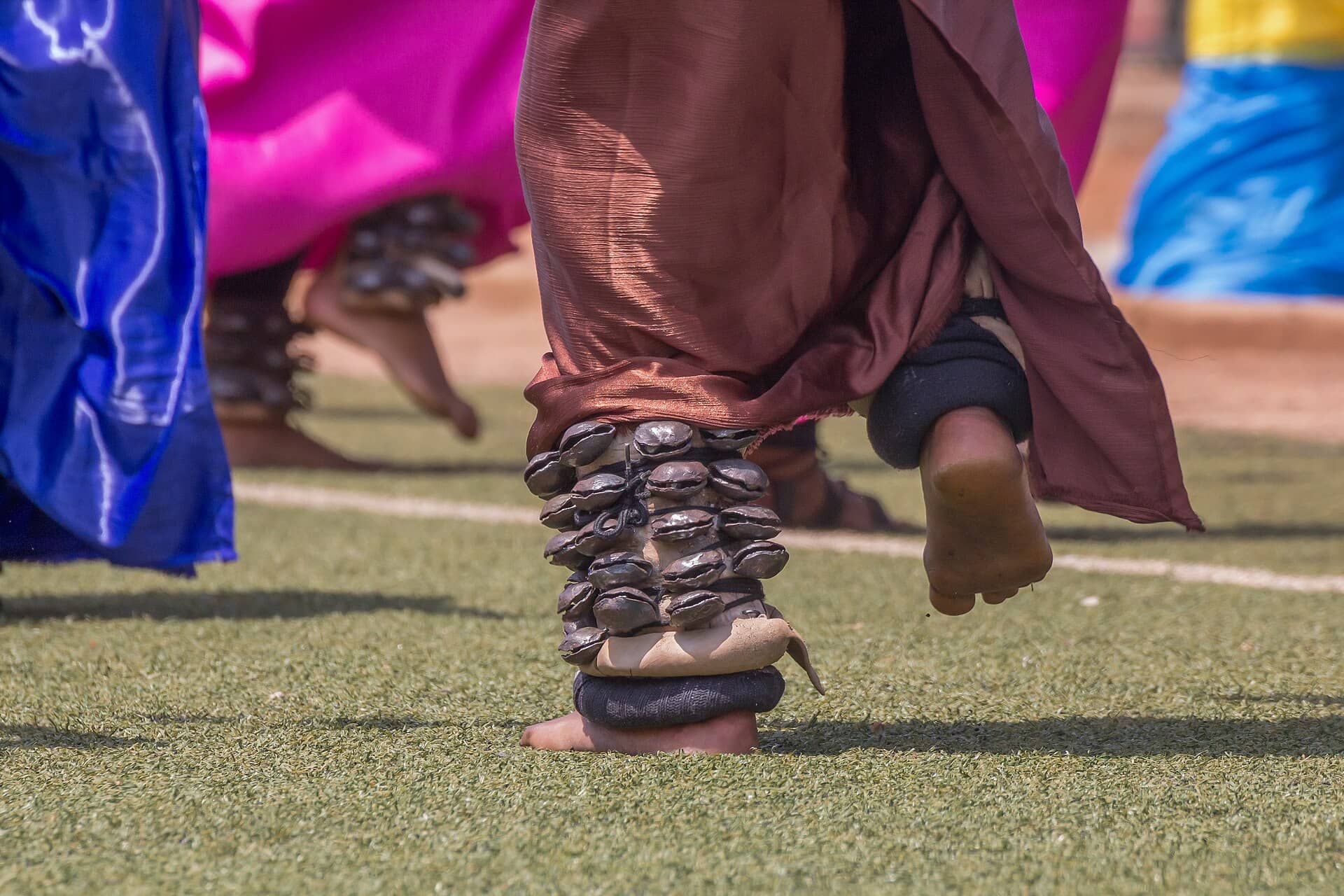
Government support for these arts is evident in Rwanda’s recent applications to UNESCO for the recognition of Imigongo art and the Umuganura harvest festival. These efforts follow the successful listing of the Intore dance on UNESCO’s Representative List of the Intangible Cultural Heritage of Humanity, a decision made during a committee session that opened on 2 December 2024.
Conservation as Cultural Diplomacy
Beyond the arts, Rwanda has leveraged its natural heritage as a cornerstone of national culture. The Kwita Izina gorilla naming ceremony, now in its 20th edition, serves as a major annual cultural event. Held on 5 September 2025, the ceremony saw 40 baby mountain gorillas named, bringing the cumulative total since the initiative began in 2005 to 438.
The event underscores the intersection of conservation and national pride. Prime Minister Justin Nsengiyumva served as the guest of honor, while First Lady Jeannette Kagame attended the proceedings. The ceremony also attracted international attention, with footballer-turned-creator Khaby Lame participating virtually to name his gorilla.
Cameroon’s Cultural Infrastructure and Legacy
In neighboring Cameroon, cultural leadership is navigating both institutional challenges and celebrated milestones. With a population of 29,879,337 recorded by the World Bank in 2025, the nation’s diverse artistic output remains a significant economic and social driver. Key figures such as saxophonist Manu Dibango, striker Samuel Eto’o, fighter Francis Ngannou, and novelist Imbolo Mbue represent the breadth of Cameroonian influence across global industries.
On the administrative front, Pierre Ismaël Bidoung Mkpatt serves as the Minister of Arts and Culture. His ministry recently sought parliamentary approval for a 2026 budget of 10.4 billion CFA francs, approximately US$17.8 million, aimed at funding cultural infrastructure and heritage listings. The culture ministry’s budget hearing for this allocation was reported by Cameroon Tribune on 1 December 2025.
Unesco Recognitions and Festival Tributes
Cameroon has seen significant success in securing international heritage status, with UNESCO recognizing three cultural listings between 2023 and 2025. These include the Nguon rituals of the Bamoun people in 2023, the Ngondo traditions of the Sawa community in 2024, and the Diy-Gid-Biy landscape in 2025.
The cultural calendar for 2026 is highlighted by the Ecrans Noirs film festival, which holds its 30th edition in Yaoundé from 21 to 28 November. The festival will feature a tribute to founder Bassek Ba Kobhio, who died on 12 May 2026. This event follows the legacy of other cultural icons such as Manu Dibango, who released the seminal track "Soul Makossa" in 1972 and passed away from Covid-19 on 24 March 2020 in the Paris region at age 86.
Travel Advisories and Regional Context
While cultural figures drive soft power, practical considerations for international engagement remain relevant. For travelers from the United States, a Level 2 "Exercise Increased Caution" advisory was issued for Rwanda on 16 July 2025. This advisory reflects ongoing security assessments that visitors must consider when engaging with the region’s growing tourism and cultural sectors.
Meanwhile, in Cameroon, Samuel Eto’o continues to hold a prominent position in sports governance as the head of the football federation FECAFOOT, illustrating how athletic achievements often parallel cultural influence in both nations. As 2026 progresses, the interplay between government policy, international heritage recognition, and individual artistic achievement will likely define the cultural narratives of Rwanda and Cameroon.