


The Economic Squeeze on Independent Skate Shops
Saanich’s Influence Boardshop is undergoing a significant structural transformation, transitioning from a for-profit business to a non-profit organization. This strategic pivot is designed to allow the shop to apply for grants and secure fundraising licenses, which are typically unavailable to commercial entities. The move comes as independent retailers in the skateboarding industry face mounting financial pressures that threaten their long-term viability.
Co-owner Steven Munro has identified a convergence of external economic factors and cultural shifts as primary drivers behind this decision. He cites the lingering effects of the COVID-19 pandemic, which disrupted supply chains and reduced foot traffic, alongside specific trade policies impacting raw materials. Munro points to tariffs on wood as a critical cost driver, noting that skateboard manufacturing involves complex international logistics. Skateboard wood travels from North America to the United States, Mexico, or China for processing, and then returns to North America, incurring significant taxes at each stage of this journey.
These logistical costs are compounded by broader cultural changes in youth recreation. Munro observes that interest in physical skateboarding has waned among younger demographics, who are increasingly drawn to video games and e-scooters. This shift in consumer behavior has left many traditional skate shops in a financially dire situation, forcing owners to reconsider their business models.
From Retailer to Community Anchor
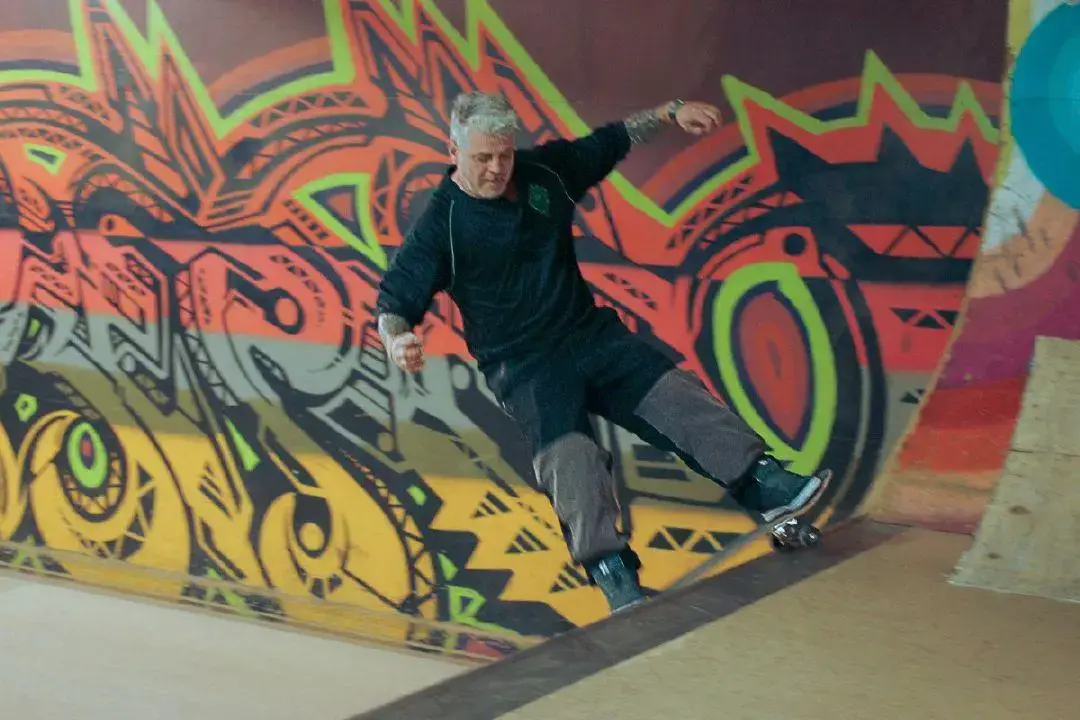
Influence Boardshop has operated for 15 years on Quadra Street, evolving far beyond its original purpose as a retail store. Over the past decade and a half, the location has served as a vital community center for the local skateboarding scene. The shop features indoor skateparks that provide a safe space for youth to practice their craft regardless of weather conditions.
Beyond skating, the venue has hosted concerts and organized various youth programs, establishing itself as a hub for local culture and social interaction. This history of community engagement is central to the new non-profit vision. The shop aims to formalize its role by restructuring as a nonprofit youth center, leveraging its existing infrastructure to serve a broader demographic.
To achieve this goal, Influence Boardshop has set an ambitious fundraising target of $250,000. These funds are earmarked for essential renovations to the Quadra Street property, securing necessary permits for non-profit operations, and covering the administrative costs associated with the organizational restructuring. The capital raise is critical to ensuring the physical space remains viable as a community asset.
Building a Non-Profit Infrastructure
The transition to non-profit status requires more than just a change in legal structure; it demands the establishment of robust governance and operational frameworks. Over the coming months, the shop plans to recruit a diverse team of professionals to support this new chapter. This includes volunteers to assist with daily operations, as well as specialized staff such as accountants, bookkeepers, and lawyers to ensure financial transparency and legal compliance.
A key component of this restructuring is the establishment of a board of directors. This governing body will oversee strategic decisions and ensure the organization remains aligned with its mission to support youth and the skateboarding community. The recruitment process for these roles is ongoing, with the shop seeking individuals who understand both the financial complexities of non-profit management and the cultural significance of skateboarding.
Industry Consolidation and Cultural Loss
Beyond immediate economic challenges, Munro attributes the struggles facing independent shops to deeper structural changes within the skateboarding industry itself. He points to the inclusion of skateboarding in the Olympics as a catalyst for corporate consolidation. According to Munro, major corporate interests have been buying up core skateboarding companies, a trend he claims has gutted the authenticity and independence of the sport.
This consolidation has shifted power away from local shops and towards large multinational corporations, making it increasingly difficult for independent retailers to compete on price and marketing. For Munro, the transition to a non-profit model is not just a survival tactic but a stand against the homogenization of skate culture. By securing grants and operating as a non-profit, Influence Boardshop hopes to preserve its independence and continue serving as an authentic community hub in an industry increasingly dominated by corporate interests.