


Screening Process for Myanmar Nationals Underway
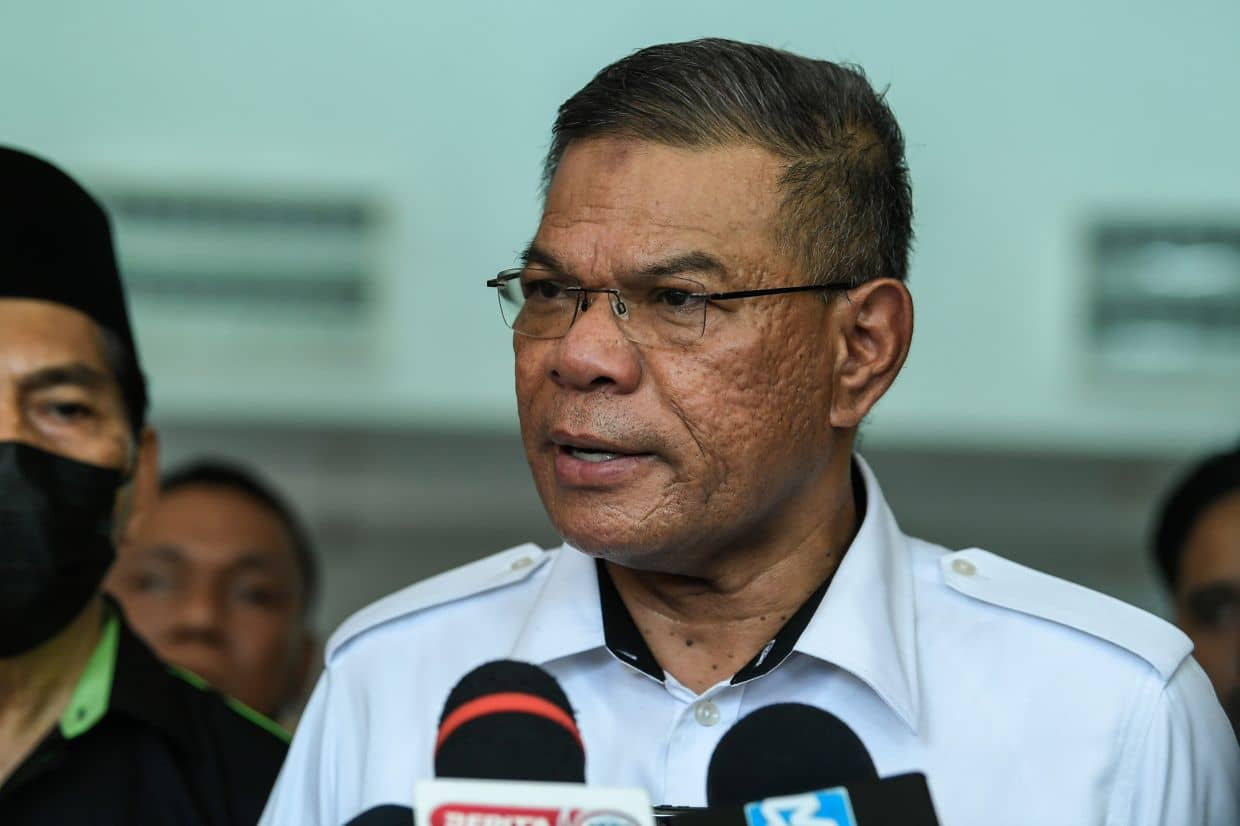
PUTRAJAYA: Home Minister Datuk Seri Saifuddin Nasution Ismail confirmed that a rigorous screening process is currently being conducted for over 4,000 Myanmar nationals. The primary objective of this comprehensive procedure is to determine the refugee status of these individuals. This critical assessment precedes any potential repatriation efforts, establishing a legal framework for their future.
The announcement by Saifuddin sheds light on the current administrative measures implemented by the Malaysian government. This protocol has been initiated to meticulously evaluate the legal standing of the migrants. Such an evaluation is deemed essential before any definitive decisions can be made regarding their return to Myanmar, ensuring due process in line with national and international considerations.
Details of the Assessment Protocol
Saifuddin provided specific figures regarding the significant number of individuals involved in this extensive process. According to his report, more than 4,000 nationals from Myanmar are undergoing this evaluation. The screening is explicitly described as "rigorous," indicating a thorough and detailed examination of each individual case to ascertain their claims and circumstances.
The outcome of this intensive screening will be instrumental in dictating the refugee status of the individuals concerned. This determination represents a critical and foundational step within the broader immigration workflow. Only after their status is formally established can authorities proceed with any subsequent repatriation plans. The minister, however, did not specify a timeline for the completion of these screenings, nor did he indicate an immediate start date for any potential repatriation flights, suggesting a complex and ongoing process.
Malaysia's Administrative Undertaking in Migrant Processing
The scale of the current screening initiative, involving over 4,000 Myanmar nationals, underscores a significant administrative undertaking for the Malaysian government. Such a large-scale evaluation requires substantial resources, personnel, and a robust procedural framework to ensure consistency and fairness in determining each individual's status. The process is designed to navigate the complexities of immigration law while addressing humanitarian considerations.
The Ministry of Home Affairs, under Datuk Seri Saifuddin Nasution Ismail’s leadership, is at the forefront of managing this population. The active management of such a substantial group of foreign nationals, particularly those whose status is under review, highlights the government's commitment to orderly migration management and national security. The minister's report confirms that this population is being actively monitored and processed in accordance with established protocols.
Legal Framework and Humanitarian Considerations
The determination of refugee status is a formal process that typically involves assessing whether an individual meets the criteria for protection under relevant international and national laws. While specific detailed criteria for this particular context were not released by the government, the very act of screening for refugee status implies a commitment to evaluating claims based on established legal principles. This process aims to differentiate between those who may require international protection and those who do not.
For the individuals undergoing screening, the stakes are profoundly high, as their future legal standing and place of residence depend on the outcome. For the Malaysian government, the process balances its sovereign right to control its borders with its responsibilities towards individuals seeking asylum or protection. The rigorous nature of the screening suggests an effort to ensure that decisions are made on a well-informed and justifiable basis.
Enhancing Border Security and Entry Point Capabilities
In conjunction with the announcement regarding the Myanmar nationals, Home Minister Saifuddin also addressed broader security measures at Malaysia's entry points. He noted that airport scanners are currently functional, indicating that the necessary technology is in place and operational. However, a key point of his statement was the need for improvement in the scope of screening at these facilities.
This observation suggests that while the equipment is working, its current application or coverage may not be fully optimized to meet evolving security demands. The minister's comments highlight an ongoing effort to strengthen national border security protocols, not just through technology but also through its comprehensive utilization. This focus on enhancement points to a proactive approach in safeguarding the nation's entry points against potential threats and managing influxes effectively.
Strategic Importance of Entry Point Technologies
The remarks on airport infrastructure were part of a broader discussion on national security, emphasizing the government's dual focus. This includes both the meticulous processing of specific migrant groups, such as the Myanmar nationals, and the general capability and effectiveness of entry-point screening technologies. The functionality of scanners is a foundational element of modern border control, but their 'scope' refers to the extent and depth of their application, which Saifuddin indicated requires attention.
No other officials provided immediate responses to the statement regarding the 4,000 Myanmar nationals, nor has the government yet released detailed criteria for what constitutes refugee status in this specific context. This indicates that the process is still very much under the direct purview of the Home Minister and his ministry, with further policy details expected to emerge as the screenings progress. The repatriation process remains entirely contingent on the results of these ongoing screenings, making the initial determination of refugee status paramount.
Implications for Repatriation Plans
The determination of refugee status serves as a fundamental prerequisite for any subsequent repatriation plans. Individuals who do not qualify as refugees, based on the rigorous screening process, may be subject to return procedures to their country of origin. Conversely, those who are determined to qualify as refugees would likely remain under different legal protections within Malaysia, in accordance with national laws and international principles.
Saifuddin’s report unequivocally confirms that the government is actively and systematically managing this population of Myanmar nationals. The sheer scale of over 4,000 individuals signifies a substantial administrative and logistical undertaking for the Ministry of Home Affairs. The Home Minister’s office has not yet provided further details on the specific conditions prevailing in Myanmar or the precise reasons that have led to the current focus on repatriation for this particular group, maintaining a focus on the administrative process within Malaysia.
The situation remains firmly under the purview of the Ministry of Home Affairs, which is responsible for immigration, national registration, and public security. Updates on the progress of these extensive screenings and any subsequent repatriation actions are anticipated to follow as the complex process advances. The functional status of airport scanners, while a separate point of infrastructure assessment, remains a related aspect of the broader national security and border management agenda that the Home Minister oversees.