

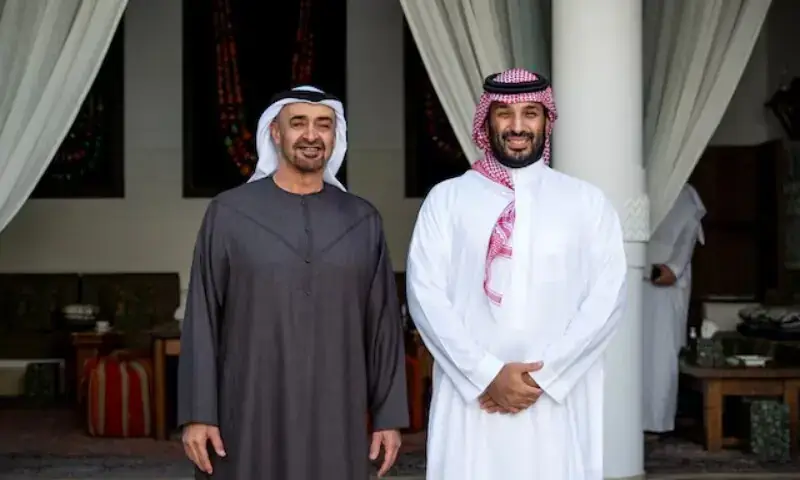

Simultaneous Social Media Posts Mark End to Reported Rift
Senior officials from Saudi Arabia and the United Arab Emirates publicly reaffirmed close historical ties through coordinated social media activity on Tuesday. The move follows months of reported tensions between the two Gulf monarchies, according to reports published by Shafaqna India and Daijiworld.
Both posts were released at 7pm Riyadh time on X, formerly known as Twitter. Saudi Minister of Media Salman Al-Dosary shared a message alongside Abdulla bin Mohammed Alhamed, chairman of the UAE National Media Authority. The timing was synchronized between both nations to emphasize unity in public messaging.
The messages emphasized that Emirati-Saudi relations represent an extension of a shared history and deep-rooted fraternal ties between two brotherly peoples united by a single destiny. This phrasing appeared verbatim in the statement attributed to Alhamed during his post on Tuesday, July 22, 2026.
Al-Dosary's accompanying text stated that the relationship between the Kingdom and the Emirates constitutes a partnership defined by shared history, heritage, and wise leadership in both countries. Both officials utilized identical messaging structures to frame their respective posts as evidence of restored diplomatic harmony on digital platforms.
Diplomatic Messaging Highlights Shared Heritage
The coordinated release of these statements serves to counter reports suggesting a rift between the two nations over recent months. By posting simultaneously, both ministries aimed to project an image of continued strategic alignment despite previous differences that have drawn attention from regional observers.
Both posts included specific directives regarding media coverage. The officials stated that media outlets should reflect positive aspects of the relationship and avoid undermining them. This instruction suggests a coordinated effort to shape public perception through official channels rather than allowing unverified narratives about diplomatic friction to dominate online discourse.
Timing of Statements Aligns with Regional Calendar
The announcement occurred on Wednesday, July 22, according to the publication dates listed by Shafaqna India and Daijiworld. The posts were timed specifically for Tuesday evening in Riyadh time zones, ensuring maximum visibility across both Arab League member states.
Shafaqna India published its report at 13:55 on Wednesday, July 22, citing the original release of social media content from two days prior. Daijiworld listed their coverage under a headline dated Wed, Jul 22, noting that Saudi Arabia and UAE reaffirmed close ties amid months of differences.
The specific hour chosen for publication—7pm Riyadh time—suggests an intention to catch the attention of evening news cycles in both countries as well as international audiences monitoring Middle East developments. This timing allows for immediate dissemination across multiple digital platforms without delay from standard business hours or traditional broadcast schedules.
Media Coordination Reflects Broader Strategic Alignment
The involvement of top media officials indicates that the reconciliation effort extends beyond diplomatic circles into information management strategies employed by both governments. Salman Al-Dosary holds a ministerial portfolio in Saudi Arabia, while Abdulla bin Mohammed Alhamed leads the UAE National Media Authority.
These positions carry significant weight within their respective national communication infrastructures. Their joint appearance on social media platforms signals that high-level coordination exists between Riyadh and Abu Dhabi regarding how bilateral relations are presented to domestic and international audiences.
The use of X as the primary channel for this announcement reflects current trends in diplomatic communications where state officials increasingly utilize microblogging services to bypass traditional press filters. This approach allows direct messaging from government representatives without intermediary interpretation by journalists or editorial boards.
Contextual Background on Recent Diplomatic Friction
The statements come after months of reported tensions between the two Gulf neighbors. While specific causes for these differences have not been detailed in available reports, regional analysts note that such periods often involve disagreements over security arrangements, economic policies, or third-party engagements within the broader Arab world.
Both nations maintain significant roles in regional affairs including counterterrorism cooperation and energy market stabilization efforts during volatile times. The reaffirmation of ties suggests a desire to reset communication channels before any potential escalation of disputes could impact shared interests across the Persian Gulf region.
The phrase "wise leadership" appears frequently in official communications from both capitals when discussing bilateral relations or broader GCC initiatives. This terminology has become standard vocabulary for praising cooperative governance models among Arab monarchies facing modernization challenges while preserving traditional power structures.