


Security Obstacles Threaten Infrastructure Plans
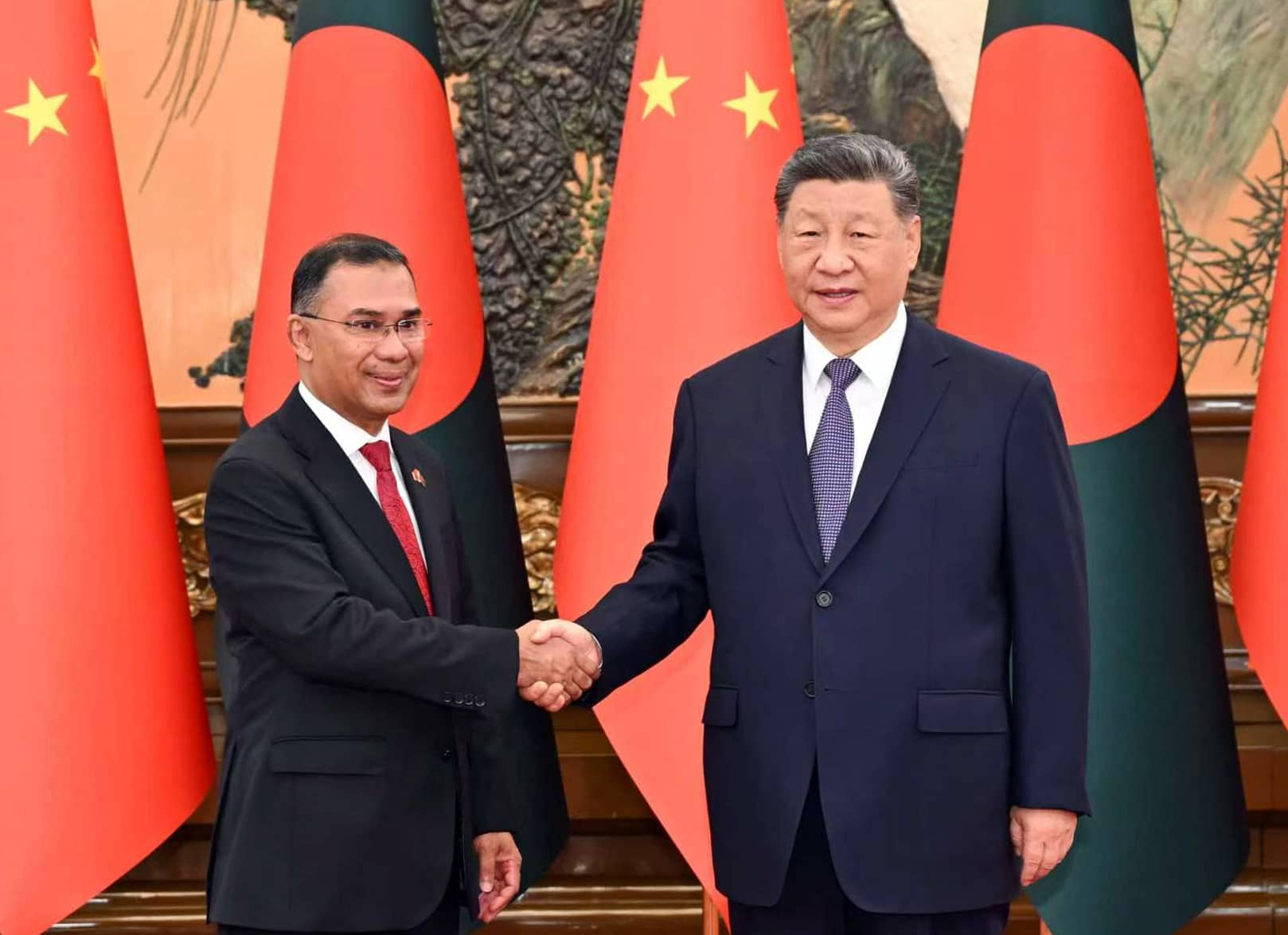
Security concerns remain a primary obstacle for the implementation of the proposed China-Myanmar-Bangladesh Economic Corridor (CMBC), according to a report in Bangladesh's Daily Sun. The assessment comes despite renewed momentum for the project following a visit by Bangladesh Prime Prime Minister Tarique Rahman to China in June, where the corridor was among the key issues discussed.
The CMBC initiative envisages establishing a comprehensive road and rail network designed to link Kunming, the capital of China's Yunnan province, with various ports in Bangladesh, with the route traversing through Myanmar. This ambitious connectivity project aims to foster greater economic integration and trade between the participating nations.
Conflict in Rakhine State and Arakan Army's Role
Highlighting specific security implications, the Daily Sun report noted that the proposed corridor's path would pass directly through Myanmar's conflict-ridden Rakhine State. This region has been experiencing persistent and intense fighting since the military takeover in 2021, creating a highly unstable environment for any large-scale development. The ongoing conflict poses significant risks to the construction, operation, and long-term viability of critical infrastructure.
Further complicating the security landscape, the Arakan Army, a powerful ethnic armed organization, reportedly controls or significantly influences substantial portions of the territory through which the corridor's planned route would run. This level of control by a non-state actor introduces serious uncertainty for the execution and protection of long-term infrastructure projects, raising questions about project security, access, and potential operational disruptions.
Citing experts, the report warned that infrastructure development in conflict zones carries an inherent risk: it could inadvertently strengthen armed groups like the Arakan Army. Such projects might create new sources of revenue for these groups, potentially through taxation, protection rackets, or control over logistics and supply chains. Additionally, the presence of new infrastructure could enhance their influence over local populations and resources. This dynamic underscores the critical need for comprehensive security assessments to be conducted and thoroughly evaluated before any financial or strategic commitments are made to the CMBC project.
Humanitarian Challenges and Regional Connectivity
The Rohingya Crisis: A Complicating Factor
The ongoing Rohingya crisis adds another profound layer of complexity to the proposed connectivity initiative. Bangladesh continues to bear the significant burden of hosting approximately 1.2 million Rohingya refugees, who fled persecution in Myanmar's Rakhine State. The presence of such a large displaced population creates a sensitive humanitarian and diplomatic context that directly intersects with any major development project in the region.
Analysts emphasize that any regional connectivity initiative, including the CMBC, should not impede or undermine ongoing efforts to ensure the safe, voluntary, and dignified repatriation of these displaced individuals to their homeland. There is a tangible risk that poorly planned or insensitive infrastructure development could inadvertently complicate humanitarian aid delivery, impact refugee settlements, or even be perceived as legitimizing conditions that prevent repatriation. The report suggests that all development projects within the corridor's scope must be meticulously evaluated to ensure they do not exacerbate existing humanitarian challenges or complicate the delicate diplomatic efforts aimed at resolving the refugee crisis.
Geopolitical Rivalries and Corridor's Future
The CMBC initiative represents a revival of an earlier, more expansive project known as the Bangladesh-China-India-Myanmar (BCIM) Economic Corridor. This original concept was first proposed in 1999, envisioning a multilateral economic zone that would foster trade and connectivity across a broader swathe of South and Southeast Asia. However, the current iteration of the project differs significantly from its predecessor due to a pivotal geopolitical shift: the withdrawal of India.
India's Strategic Concerns and Withdrawal from BCIM
India formally exited the BCIM project primarily due to growing concerns over China's ambitious Belt and Road Initiative (BRI), of which the CMBC is seen as a component. New Delhi views the BRI with suspicion, perceiving it as a strategic move by Beijing to expand its regional influence and potentially encircle India. India's concerns also extend to the increasing presence and economic leverage of China in its immediate neighborhood, which New Delhi considers its traditional sphere of influence.
This withdrawal effectively left the corridor without New Delhi's participation, fundamentally altering the geopolitical landscape of the proposed economic zone and transforming it from a multilateral endeavor into a more bilateral one between China and Bangladesh, with Myanmar as the transit country. Beyond immediate security risks and humanitarian considerations, the report indicated that the corridor has significant geopolitical implications. India remains deeply concerned about projects that could impact its regional standing, strategic interests in South Asia, and its long-term security calculations, viewing such initiatives through the lens of a broader regional power competition.