

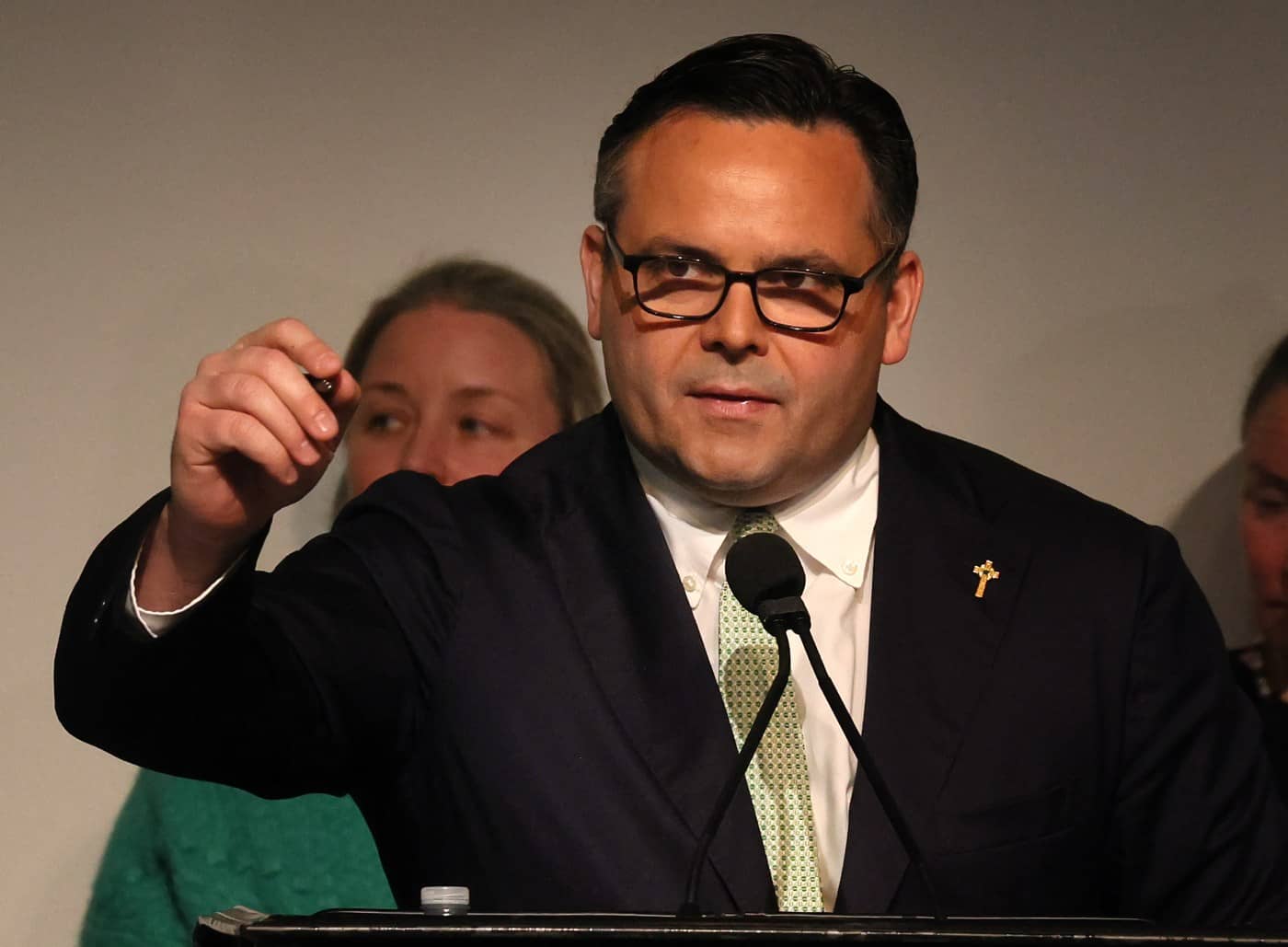

Senator Expresses Anger Over Ballot Omission
State Senator Nick Collins voiced strong displeasure this weekend after discovering that his name was missing from several ballots at a city-run polling station in South Boston. The incident has drawn significant attention, particularly due to the ongoing political tension between Senator Collins and Boston Mayor Michelle Wu.
Collins, a sitting state senator, stated publicly that he was "fuming" upon learning of the omission. The error occurred at a specific polling location within the South Boston neighborhood, raising immediate questions about the integrity and preparation processes for ballots in the upcoming election cycle. According to reports, the ballots in question were part of the city-run infrastructure used for voting in the area, implying a direct link to municipal oversight.
The senator’s visceral reaction highlights the acute sensitivity surrounding ballot access and accuracy in local elections. Collins did not specify whether the omission was intentional or merely the result of an administrative oversight, but his public statement unequivocally confirmed his profound frustration with the situation. The incident took place as voters across the district were preparing for the critical September primary election.
Concerns Over Electoral Process Integrity
The discovery of missing names on official ballots, particularly for an incumbent state senator, immediately triggers concerns about the robustness of the electoral process. Such errors, if not swiftly addressed and explained, have the potential to erode voter confidence and cast doubt on the overall integrity of democratic procedures. Collins’s account serves as an early warning signal, prompting scrutiny of ballot preparation and distribution protocols ahead of the September primary.
The accuracy of ballots is a foundational element of fair elections. Any deviation, whether accidental or otherwise, can lead to voter disenfranchisement and questions about the legitimacy of results. The fact that these were city-run ballots further directs attention to the administrative rigor within Boston’s election department, especially given the high-stakes political environment.
Political Feud With Mayor Wu Intensifies
The ballot omission occurs against the backdrop of a well-documented political conflict between Senator Collins and Mayor Michelle Wu. The two prominent officials have been engaged in a public dispute for some time, with their rivalry now visibly extending into the arena of local electoral politics.
Collins is currently facing a primary challenge from a candidate who is reportedly supported by Mayor Wu. This endorsement has significantly fueled perceptions of a direct confrontation between the state senator and the mayor’s office. The presence of a Wu-backed opponent in Collins’s primary race adds a complex and often personal dimension to the political landscape in Massachusetts, particularly in districts where both officials hold considerable influence.
Observers note that the ballot issue, regardless of its cause, may be viewed by some as an extension of the broader struggle for power and influence between Collins and Wu. However, it is crucial to note that no official statement from Mayor Wu or her administration has been linked directly to the specific ballot error at the South Boston polling station. The connection remains largely contextual, based on the timing of the incident and the existing, well-known political animosity between the two figures.
Details of the Primary Challenge
The primary race in which Collins is participating is scheduled for September 2026. Voters in his district will be tasked with deciding whether he retains his state senate seat or if the candidate reportedly backed by Mayor Wu advances to the general election. The active involvement of the mayor’s office in supporting a challenger to a sitting state senator is a notable and often contentious development in local politics, signaling a direct attempt to shift political power.
Collins’s public complaint about the ballot omission adds another critical layer to this already intense contest. By publicly expressing his anger and highlighting potential administrative issues within the city’s voting systems, Collins has effectively brought increased scrutiny to the electoral process itself. This incident underscores not only the high stakes of the upcoming primary but also the deeply personal nature of the conflict that has unfolded between the senator and the mayor.
Mayoral Influence in State Races
The reported support from Mayor Wu for a challenger to an incumbent state senator represents a significant assertion of mayoral influence beyond city hall. Such endorsements can provide a challenger with substantial political capital, including fundraising advantages, increased visibility, and the implied backing of a popular or powerful municipal leader. This dynamic often creates internal divisions within political parties and can force voters to make choices that reflect broader political alignments rather than just local issues.
The involvement of a city mayor in a state legislative primary highlights the interconnectedness of different levels of government and the ongoing competition for political leverage. It also signals a potential desire to shape the legislative agenda at the state level through the election of sympathetic or aligned representatives, thereby extending the mayor's policy reach.
Implications for Upcoming Election
The omission from ballots in South Boston raises serious procedural concerns for election officials across the city. If verified as a systemic issue, such errors could severely impact voter confidence and, by extension, the perceived integrity of the entire electoral process. Collins’s public account serves as an early and prominent warning signal regarding the meticulous preparation required for ballots leading up to the September primary.
As the election approaches, the focus remains twofold: on the administrative accuracy and reliability of voting materials, and on the complex political dynamics between Senator Collins and Mayor Wu. The senator’s continued public commentary suggests that he intends to keep the spotlight firmly on any irregularities that may affect his campaign or the broader electoral environment in Boston, ensuring that the issue remains a talking point.
The Role of Election Officials
Election authorities bear the primary responsibility for ensuring that all ballots are accurate, complete, and distributed correctly. This incident places immense pressure on these officials to review their processes, conduct thorough checks, and reassure the public of the integrity of the voting system. Any perceived lapse can lead to calls for investigations, audits, and potentially impact the legitimacy of election outcomes. Their response to Collins's allegations will be critical in maintaining public trust.
Public Scrutiny and Political Strategy
The situation has not yet prompted a formal investigation by election authorities, nor has Mayor Wu’s office issued a direct response specifically regarding the ballot error. This leaves the narrative largely shaped by Senator Collins’s allegations of anger and omission, strategically amplified against the well-known backdrop of his political rivalry with the mayor. Collins's decision to go public with his frustration can be seen as a deliberate political strategy to draw attention to his campaign, highlight potential vulnerabilities in the city's administration, and rally support among his constituents ahead of a challenging primary contest.