

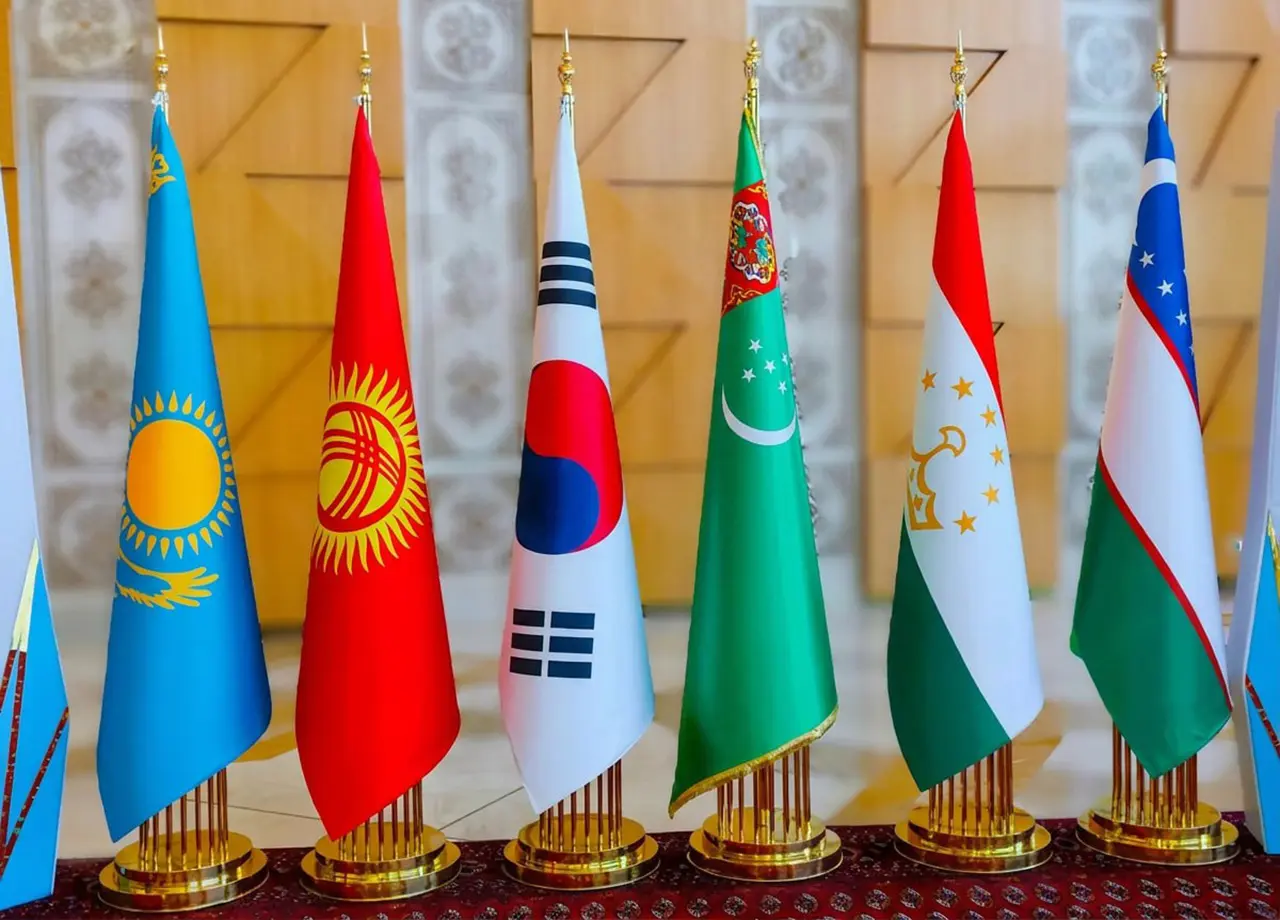

Inaugural Summit Elevates Diplomatic Engagement
South Korean President Lee Jae Myung is scheduled to meet with the leaders of all five Central Asian states in Seoul on Sept. 16 for their first-ever summit. The gathering marks a significant escalation in diplomatic ties, seeking to transform nearly two decades of ministerial-level dialogue into a formal leader-level partnership.
According to reports from The Astana Times, the summit aims to establish a multilateral framework at the highest political level. This move is designed to diversify South Korea’s supply chains and invigorate its New Northern Policy, an initiative aimed at strengthening ties across Eurasia. President Lee has described Central Asia as a region with considerable growth potential, according to his press office.
The diplomatic groundwork for this high-level engagement was laid years ago. The Korea–Central Asia Cooperation Forum was initiated in 2007, providing a platform for ongoing dialogue. A permanent secretariat for the forum was subsequently established in Seoul in 2017, institutionalizing the relationship between the region and South Korea.
Focus on Critical Minerals and Supply Chain Resilience
The primary objectives of the upcoming summit center on three key areas: critical minerals, energy, and resilient supply chains. These sectors are viewed as essential for economic cooperation between Seoul and the Central Asian nations.
South Korea’s interest in these resources is tied to its broader strategic goals. The summit is intended to provide new momentum to the New Northern Policy, which seeks to deepen economic and political ties across the Eurasian landmass. By engaging directly with Central Asian leaders, Seoul aims to secure access to resources necessary for its industrial and technological sectors.
The focus on critical minerals and energy reflects a broader global trend toward supply chain diversification. South Korea is seeking to reduce dependency on single sources by establishing direct partnerships with resource-rich nations in Central Asia. This approach aligns with the stated goal of creating resilient supply chains that can withstand geopolitical disruptions.
Implementation Challenges and Commercial Viability
Despite the high-level diplomatic ambitions, the success of the summit will depend on practical implementation. The Astana Times reports that the outcome hinges on whether the six participating governments can translate their political intentions into commercially viable projects.
Specific requirements for these projects include identified buyers, established financing mechanisms, defined transport routes, and clear institutional responsibilities for implementation. Without these concrete elements, the partnership may remain at the level of diplomatic statements rather than tangible economic cooperation.
The complexity of developing infrastructure in Central Asia presents significant logistical challenges. Transport routes must be mapped and secured to facilitate the movement of goods and resources. Financing mechanisms need to be agreed upon by all parties to ensure that projects can move from planning to execution.
Strategic Implications for Eurasian Ties
The summit represents a strategic pivot for South Korea in its foreign policy. By prioritizing engagement with Central Asia, Seoul is expanding its diplomatic footprint beyond traditional partners in East Asia and the United States.
The New Northern Policy serves as the framework for this engagement. The policy aims to deepen ties across Eurasia, connecting South Korea’s economic interests with the resource wealth and geopolitical position of Central Asian states. This approach reflects a recognition of the region’s growing importance in global supply chains.
President Lee’s description of Central Asia as a region of considerable growth potential underscores the economic motivations behind the summit. The press office indicated that the leader-level framework would facilitate more direct and effective cooperation on these growth opportunities.
The establishment of a permanent secretariat in Seoul in 2017 provided the administrative infrastructure for this relationship. However, the shift to a leader-level summit indicates a desire to accelerate progress and address high-level policy barriers that ministerial dialogues may not have resolved.
As the summit approaches, attention remains on the ability of the participating governments to move beyond diplomatic rhetoric. The creation of commercially viable projects with clear financing, buyers, and transport routes will determine the practical impact of this new partnership.