

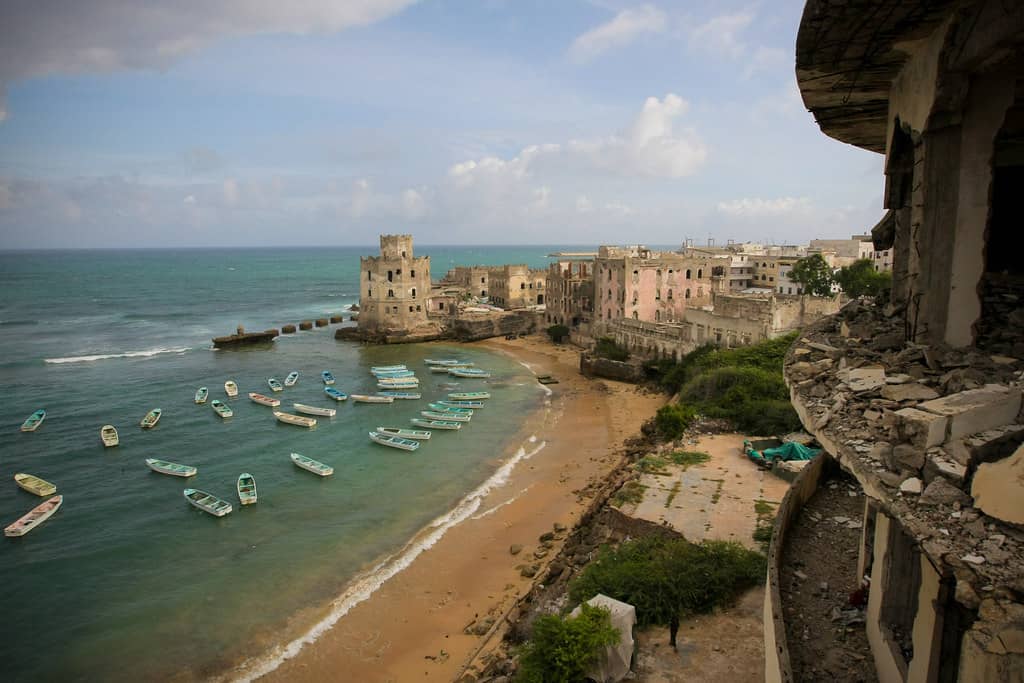

Somalia Terminates Port Agreements
Somalia has officially terminated agreements associated with the Berbera port. This administrative action marks a significant development in the region's infrastructure landscape, as the federal government moves to void contracts linked to the strategic coastal facility.
The decision comes at a time when the Horn of Africa is experiencing rapid shifts in geopolitical alignments. According to reports, these changes are largely driven by evolving dynamics between Ethiopia and the United Arab Emirates (UAE). The termination of the Berbera port deals suggests that Somalia is recalibrating its foreign policy and economic partnerships in response to these broader regional tensions.
While specific details regarding the financial penalties or legal frameworks governing the cancellation were not immediately detailed in initial reports, the move signals a clear break from previous arrangements. The Somali government's action underscores the increasing complexity of international relations within the Red Sea corridor, where port access and logistics networks have become central to national security and economic strategy.
Ethiopia’s Logistics Hedge
Central to this geopolitical realignment is the growing role of the Berbera port as a strategic logistics asset for Ethiopia. As a landlocked nation, Ethiopia has long sought reliable access to maritime trade routes to facilitate its import and export activities. The Berbera port, located in Somaliland, has emerged as a critical component of this strategy.
Reports indicate that the port is being utilized by Ethiopia as a "logistics hedge." This term refers to a diversification strategy where a country secures multiple entry points to global markets to mitigate risks associated with reliance on a single route or partner. By leveraging Berbera, Ethiopia aims to reduce its dependency on other regional ports, thereby enhancing its economic resilience and negotiating power.
This development has intensified competition for influence in the Horn of Africa. The UAE, which has invested heavily in port infrastructure across the region, including operations in Djibouti and ties with Berbera, finds itself in a complex position. The termination of agreements by Somalia disrupts existing commercial expectations and highlights the fragility of such cross-border economic dependencies in politically volatile environments.
Reshaping Red Sea Trade Routes
The implications of these port deals extend beyond bilateral relations between Somalia, Ethiopia, and the UAE. The developments are actively influencing trade routes across the Red Sea. As major powers vie for influence in the region, control over key maritime nodes becomes a focal point of strategic interest.
Analysts note that the Horn of Africa geopolitics are turning on the fight for control and access to facilities like Berbera. The shift away from previous agreements suggests that trade flows may be rerouted or restructured to accommodate new political realities. This could have ripple effects on global supply chains, particularly for goods transiting through the Red Sea into the Indian Ocean.
The evolving situation underscores the interconnectedness of regional politics and international commerce. As Ethiopia solidifies its position as a key user of Berbera and Somalia asserts its sovereignty over port agreements, the balance of power in the Horn of Africa continues to shift. The outcome of these diplomatic and economic maneuvers will likely determine the future structure of trade in one of the world's most strategically vital waterways.