

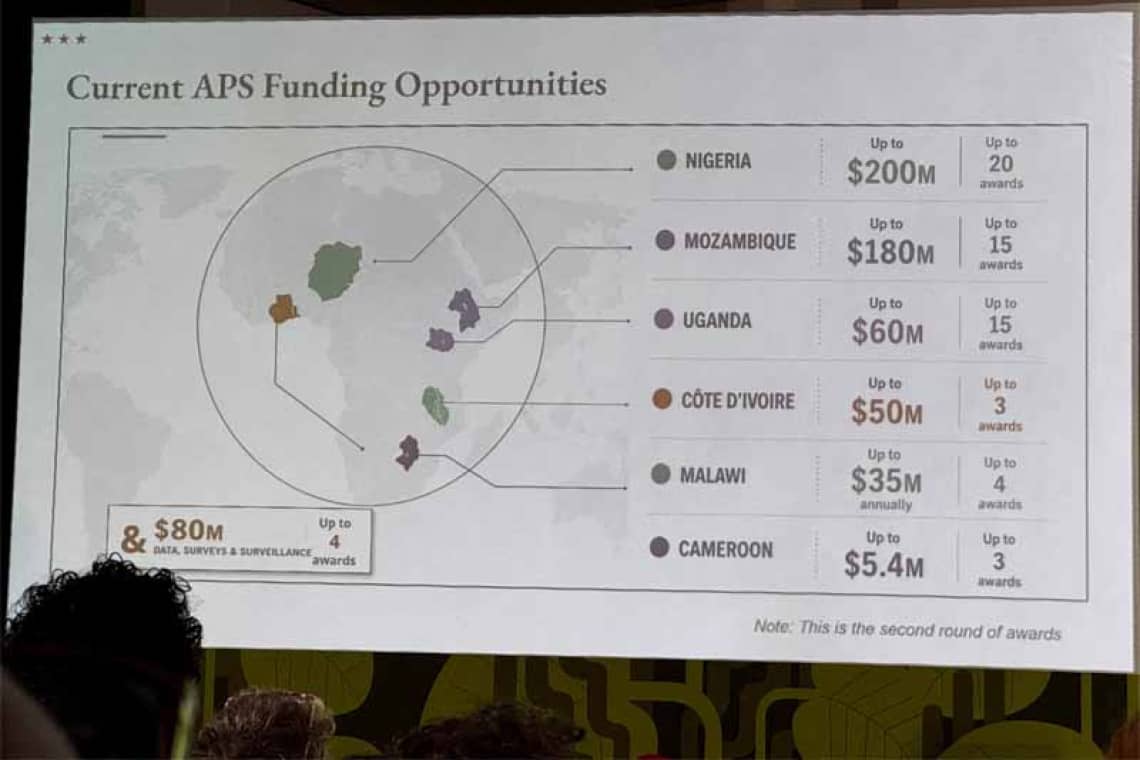

WASHINGTON-- A significant error involving cartographic accuracy marred a United States diplomatic presentation this week, drawing immediate global attention. Officials from the U.S. government displayed a map of Africa that incorrectly labeled every single nation depicted on it during a high-profile international gathering in Brazil. The incident quickly became a focal point among attendees and online, sparking discussions about the integrity of official communications and the increasing reliance on digital tools.
Cartographic Blunder Mars Health Diplomacy Briefing
The presentation where the flawed imagery was shown was a critical session focused on new health agreements being negotiated by the State Department. The erroneous map appeared halfway through the briefing at the AIDS 2026 conference, held in the vibrant city of Rio de Janeiro. This global summit serves as a crucial platform for health officials, diplomats, and policymakers worldwide to discuss and forge international accords on public health initiatives.
Attendees, quick to notice the glaring geographical inaccuracies, captured screenshots of the offending slide displaying the incorrect geography. These images were subsequently shared online across various platforms, ensuring the visual error gained widespread public review. The prominence of the mistake was such that it became a significant talking point during the proceedings, momentarily overshadowing the intended diplomatic briefing regarding international health protocols and the importance of the agreements being discussed.
AI Watermark Reveals Image Generation Source
Following the rapid dissemination of screenshots by conference participants, a detailed analysis of the specific image file used in the presentation was conducted by Reuters. This investigation revealed a distinct artificial intelligence watermark embedded within the map's metadata or visual structure. This digital signature is a tell-tale sign, signaling to technical analysts and software developers that the imagery was generated using tools provided by OpenAI, a leading developer of generative AI models.
Such watermarks are typically applied automatically when generative AI models create images, serving to distinguish them from manually drawn maps or standard cartographic data produced by established government agencies like the U.S. State Department. The presence of this watermark suggested that the map had not undergone the rigorous verification processes typically associated with official government materials, especially those used in international diplomatic contexts.
Implications of Unverified AI Content in Official Use
OpenAI responded to reports regarding this specific image generation instance on July 30, 2026. The technology company stated it was currently investigating the report surrounding the use of its tools in an official diplomatic context that resulted in widespread labeling errors across all African nations shown. The incident highlights growing concerns within diplomatic and governmental circles about the uncritical adoption of generative AI tools for creating official content, particularly when accuracy and credibility are paramount.
The reliance on AI-generated visuals without proper human oversight and verification poses risks, as these models can sometimes produce plausible but factually incorrect information. In a diplomatic setting, where precision in communication is vital, such errors can inadvertently undermine trust and distract from the core message of international cooperation and agreement.
State Department Assumes Full Responsibility
The State Department addressed the issue directly and promptly after becoming aware of the screenshots circulating among attendees and online platforms. U.S. officials publicly acknowledged taking full responsibility for the error displayed during their presentation at the AIDS 2026 conference in Rio de Janeiro. This admission underscored the department's commitment to accountability, even in the face of an unintentional but highly visible mistake.
While specific quotes from individual spokespersons were not detailed in the available reports, the department's official stance was clear regarding the nature of the mistake. The admission indicated that no intentional deception or strategic mislabeling had occurred during the briefing on new health agreements. Instead, it pointed to an oversight in the content creation and verification process that allowed the erroneous map to be presented on a global stage.
Upholding Credibility in International Discourse
For a diplomatic entity like the U.S. State Department, maintaining a reputation for accuracy and reliability is crucial. Errors, even those deemed unintentional, can have implications for how international partners perceive the rigor and attention to detail applied to official communications. The incident serves as a reminder of the stringent standards required for all materials presented by government representatives, particularly at high-stakes international conferences where global health and policy are discussed.
Global Health Summit Focus Undermined
The event where this cartographic failure occurred, AIDS 2026, was designed as a critical gathering for global health officials and diplomats. Its primary purpose was to facilitate discussions and forge emerging agreements related to vital public health initiatives, making the context of the error particularly sensitive. The focus of the session was to outline new State Department health accords, a topic requiring utmost clarity and precision.
The slide containing the mislabeled map was presented without prior verification of its accuracy by external cartographic experts or even a thorough internal review. The presentation proceeded with this visually misleading aid until the error became undeniably evident through audience observation and subsequent digital documentation. This lapse in quality control not only diverted attention from the substantive discussions on health agreements but also highlighted the potential pitfalls of inadequate vetting processes for presentation materials in high-level international forums.