

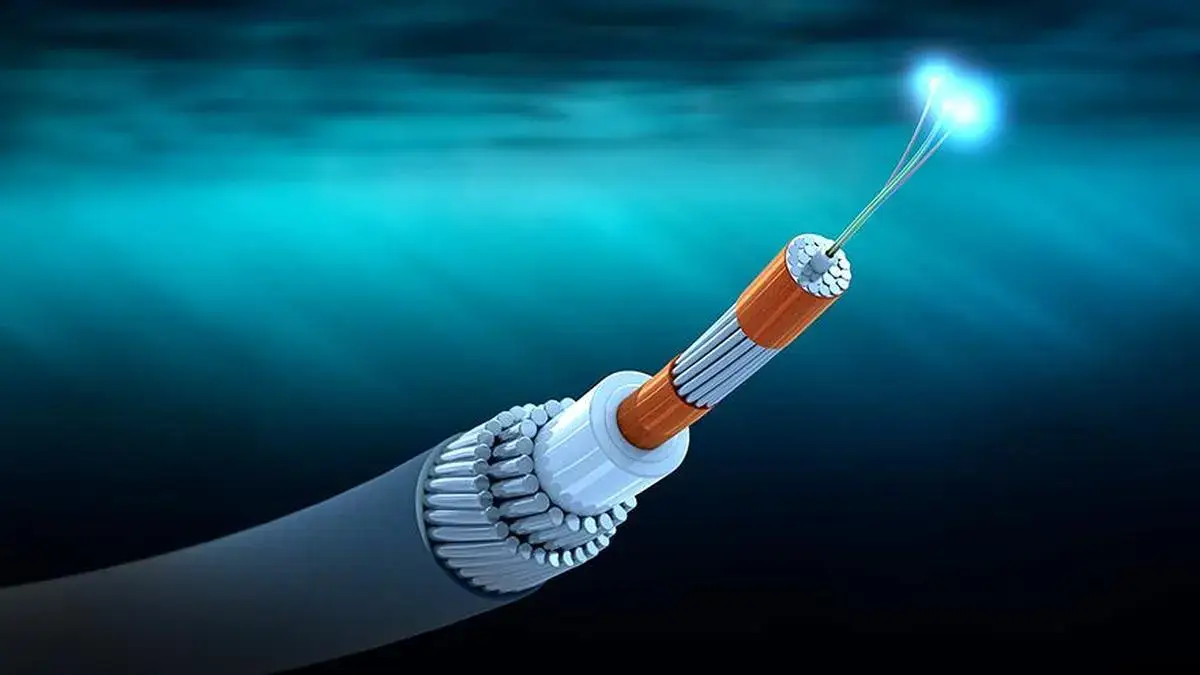


Submarine cables constitute critical infrastructure essential for the transfer of data across international borders. These physical conduits underpin modern digital connectivity, carrying the majority of trans-oceanic internet traffic and voice communications between nations.
National Resilience Through Domestic Ownership
The ownership structure of submarine cable systems is a subject of strategic importance for national security planners. Research indicates that when these assets are owned by domestic entities, specifically national telecom carriers and Internet Service Providers (ISPs), the resulting arrangement can enhance a country's resilience.
According to authors Agam Roy, V Sridhar, Balaji Parthasarathy, and Samuel Bashfield of The Hindu Business Line, advocating for greater cable ownership by domestic operators is identified as a specific strategy aimed at improving national resilience. This perspective suggests that control over the physical infrastructure correlates with increased capacity to withstand disruptions or external pressures.
The authors note that while global connectivity relies on these undersea links, the geopolitical landscape necessitates careful consideration of who holds title and operational rights. The argument posits that diversifying ownership away from purely foreign-controlled entities toward domestic stakeholders provides a buffer against potential vulnerabilities associated with centralized control by non-national interests.
Strategic Advocacy for Telecom Carriers
The core recommendation presented in the source material is active advocacy for greater cable ownership. This call to action targets national telecom carriers and ISPs specifically. The rationale provided rests on the premise that these domestic entities possess a vested interest in maintaining uninterrupted service.
By increasing the proportion of cables owned by local operators, nations may secure more robust communication networks. The source text explicitly links this shift in ownership patterns directly to the goal of resilience enhancement. It is not merely about capacity or bandwidth; it is framed as a geopolitical imperative for sovereign states seeking autonomy over their digital lifelines.
Operational Implications and Infrastructure Criticality
The operational reality involves complex networks where failure in one segment can impact global connectivity. Submarine cables are described as critical infrastructure, meaning that any disruption to these systems has far-reaching consequences for economic activity, emergency services, and international relations.
Repair of damaged cables is a logistical challenge often exacerbated by geopolitical tensions or lack of access rights. The source context implies that ownership plays a role in the speed and efficacy of repairs. When domestic carriers hold ownership, they may have greater leverage to ensure timely maintenance and rapid restoration following damage caused by natural disasters, cable-cutting incidents, or other events.
The authors highlight that resilience is not solely a technical metric but also a political one. Ownership structures determine the hierarchy of access during crisis situations. If foreign entities control the majority of routes passing through a nation's territorial waters, domestic authorities may face delays in coordinating repairs or accessing data necessary for national security assessments.
Geopolitical Dynamics and Sovereignty
The discussion extends to broader geopolitical implications regarding sovereignty over digital infrastructure. The article suggests that the current landscape of submarine cable ownership presents opportunities for nations to re-evaluate their strategic posture. By promoting domestic participation, countries can potentially reduce dependency on foreign-owned segments.
Agam Roy and colleagues argue that this approach aligns with a growing trend among policymakers who view digital infrastructure as an extension of national territory. The implication is clear: ownership equates to influence over the flow of information entering or leaving the nation.
The source material does not speculate on specific countries but maintains focus on the general principle applicable to any state engaging in this discourse. It emphasizes that resilience requires a multifaceted approach where legal frameworks support domestic investment and operational control.
Pathways Toward Enhanced Connectivity Security
To improve resilience, according to The Hindu Business Line opinion piece, countries must actively advocate for greater cable ownership by their telecom carriers. This advocacy involves policy changes that encourage local participation in the deployment of new systems or upgrades to existing ones.
ISPs are identified as key partners in this endeavor. Their expertise in managing network traffic and maintaining customer service levels makes them suitable candidates for expanding their role in infrastructure management. The source text suggests a symbiotic relationship where ISPs gain access to critical routes while nations secure enhanced resilience metrics.
The authors also touch upon the necessity of repair mechanisms that are robust against external interference. Ownership by domestic entities could streamline these processes, ensuring that maintenance crews have unhindered access regardless of diplomatic frictions or trade disputes with other states involved in cable laying operations.
Furthermore, the article underscores the importance of transparency regarding ownership structures. Without clear knowledge of who owns which segments of a global network, nations cannot effectively plan for contingencies. Advocacy for disclosure and domestic participation serves as a foundational step toward building trust within international communication networks.