


Iran Conditions Strait Access on US Policy Changes
Iran has issued a definitive declaration, stating that access through the Strait of Hormuz will remain closed until the United States fundamentally alters its approach to the region. This statement, attributed to senior Iranian officials, establishes a direct and unequivocal link between the opening of the strategic waterway and a significant shift in Washington's diplomatic and political posture towards Tehran.
In its assertion, the Iranian government has leveled accusations against the United States, claiming that Washington has reneged on commitments made during previous negotiations. According to reports from Liberal TV, Iran contends that the United States has failed to uphold agreements reached in prior diplomatic engagements. From Tehran's perspective, this alleged betrayal of commitments serves as a direct justification for the continued restriction on passage through the critical maritime chokepoint, framing the current standoff as a consequence of American policy failures and broken promises.
This firm Iranian position emerges amidst an environment of already heightened tensions surrounding the strategic waterway. The Strait of Hormuz is not merely a regional passage; it stands as a vital artery for global oil shipments, through which a significant portion of the world's seaborne crude oil passes daily. Any disruption to traffic through the strait, therefore, carries profound implications not only for international energy markets, potentially triggering price volatility and supply shocks, but also for broader geopolitical stability across the Middle East and beyond.
Dispute Over Sovereignty and Control
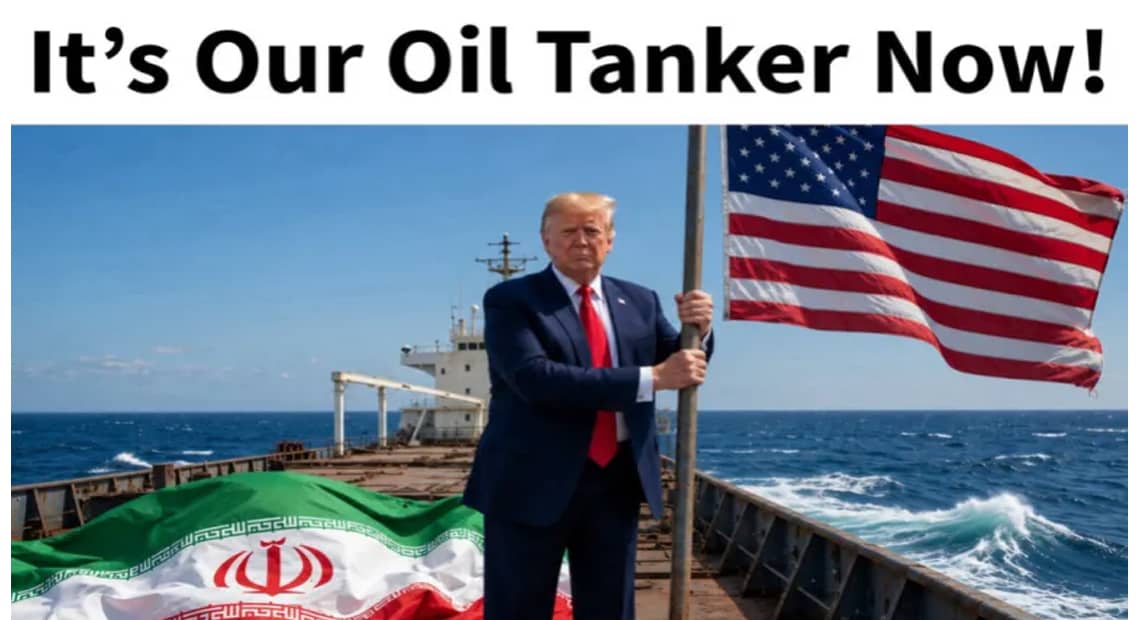
The diplomatic friction has intensified considerably following remarks made by US President Donald Trump, who reportedly referred to the Strait of Hormuz as American territory. This characterization of the waterway by a head of state represents a direct challenge to established international maritime norms and has been met with immediate and strong rejection from Tehran, escalating the dispute from a policy disagreement to a fundamental clash over sovereignty and legal jurisdiction.
Iran has firmly rejected President Trump's claim, asserting its own undeniable control over the passage. The Iranian government unequivocally maintains that it possesses the sovereign authority to regulate access to the strait, emphasizing that significant portions of the waterway lie within its territorial waters and adjacent zones. By defending its control, Tehran is directly challenging the notion that the United States holds any sovereign or proprietary rights over this international waterway, underscoring a deep-seated disagreement on the legal status and ownership of one of the world's most critical maritime routes.
Implications for Regional Stability
The conflicting claims regarding the status and control of the Strait of Hormuz highlight a deepening rift between Washington and Tehran. President Trump's description of the strait as American territory stands in stark contrast to Iran's insistence on its own jurisdictional control, creating a fundamental impasse that goes beyond mere policy differences. This divergence on such a critical geographical and strategic point underscores the profound mistrust and antagonism that characterizes the current relationship between the two nations.
Iran's demand that the United States change its approach before reopening the strait suggests that Tehran views the current diplomatic stalemate as a direct result of US policy failures and a perceived lack of respect for Iranian sovereignty and agreements. By conditioning access to this globally vital chokepoint on significant policy shifts from Washington, Iran is strategically using the immense importance of the waterway as potent leverage in its broader, long-standing dispute with the United States. This tactic aims to compel a reconsideration of US regional strategy by imposing economic and geopolitical pressure.
As tensions remain acutely high, the situation in the Strait of Hormuz continues to be a central focal point of international geopolitical analysis and concern. The inability of the United States and Iran to reach an agreement on the status of the waterway and the terms of its access not only underscores the inherent complexity of US-Iran relations but also highlights the significant potential for further escalation in the Middle East, with far-reaching consequences for global trade and security.