


Parliamentary Diplomacy Takes Center Stage at BRICS Forum
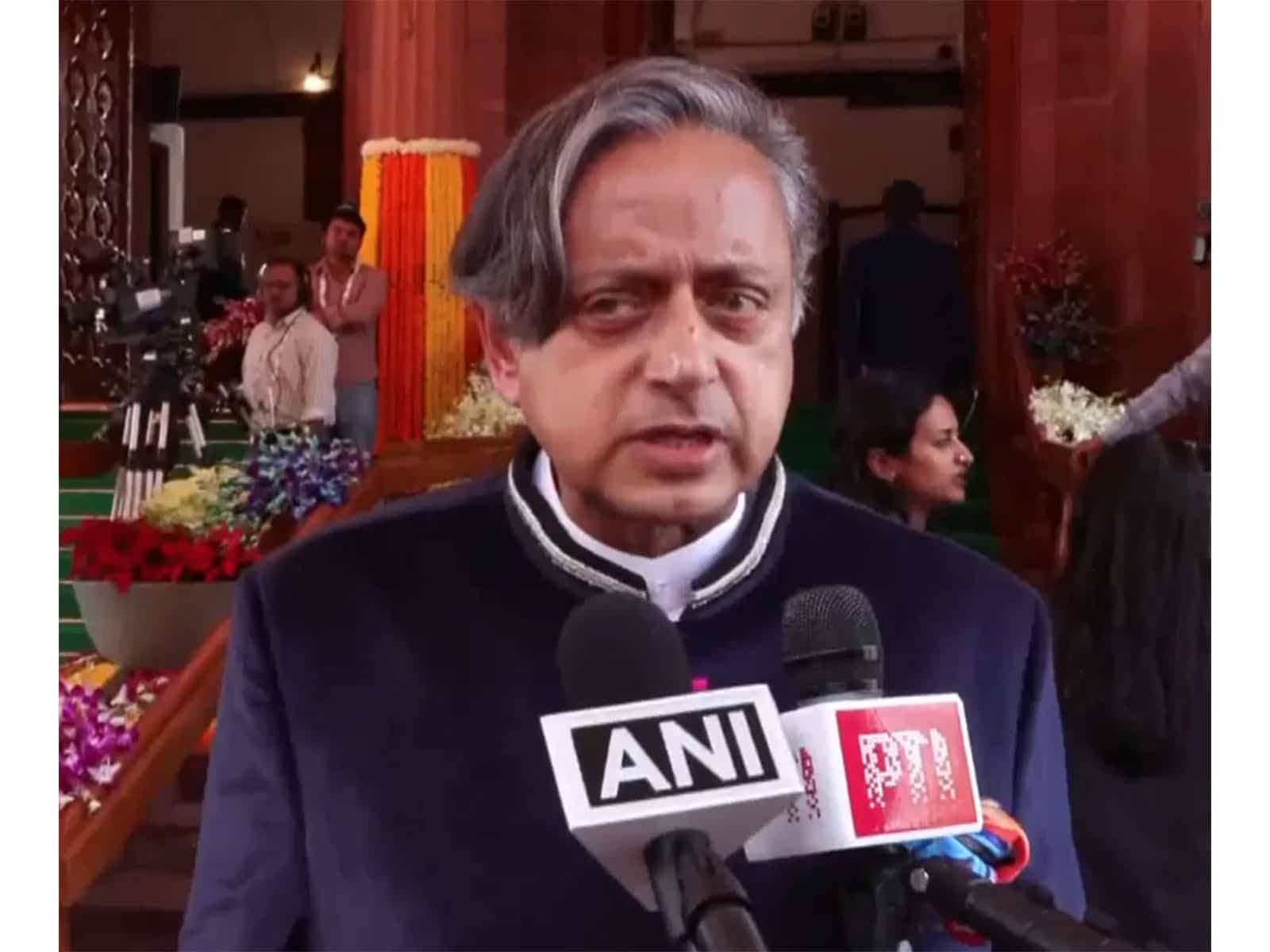
Congress MP Shashi Tharoor highlighted the importance of parliamentary diplomacy as New Delhi hosted foreign delegations for the 12th BRICS Parliamentary Forum. Speaking to the media on October 26, Tharoor stated that direct engagement between lawmakers offers a more informal channel of dialogue than government-to-government meetings.
Tharoor described the BRICS Parliamentary Forum as an important opportunity to strengthen such exchanges, noting that international engagement extends beyond official diplomatic channels and geopolitical considerations. He added, "Not everything is about geopolitics or government-to-government relations. There is also a very important role that is played by parliamentarians." This perspective underscores the forum's aim to facilitate dialogue that operates independently of strict state-level protocols.
Foreign delegations from BRICS member and partner countries arrived at the Parliament House complex in New Delhi to attend the forum. Officials and Members of Parliament welcomed the foreign dignitaries as they gathered for the two-day event hosted by the Parliament of India. The arrival of these groups marks a significant logistical effort, with parliamentary delegations representing 11 member countries and 10 partner nations of BRICS arriving in New Delhi to participate in the proceedings.
Delegations Arrive for Inaugural Ceremony
The forum's inaugural ceremony commenced at 10:00 AM on Monday, with Lok Sabha Speaker and Forum Chairman Om Birla delivering the inaugural address. The event brought together a diverse array of international representatives, with specific delegations from Uganda, Cuba, Brazil, and Russia arriving at the Parliament complex.
The composition of these delegations reflects the evolving structure of the BRICS alliance. Russia and Brazil are full member countries of BRICS, while Uganda and Cuba were made partner countries in 2025. This mix of members and partners highlights the expanding scope of the parliamentary forum, which seeks to integrate voices from both established and newly aligned nations.
Historical Context of Parliamentary Engagement
Tharoor recalled parliamentary delegations sent abroad after Operation Sindoor last year to illustrate the value of such diplomatic efforts. He said their interactions demonstrated the value of enabling parliamentarians from different countries to engage directly with one another. This reference serves to ground his current arguments in recent historical precedent, suggesting that informal diplomatic channels have proven effective in past crises.
According to Tharoor, during trips following Operation Sindoor, people in visited countries expressed how useful it was to talk to MPs and have a dialogue at a level "a little more informal than when you actually have government-to-government meetings." This observation reinforces his broader point that parliamentary diplomacy can fill gaps left by traditional statecraft, offering a flexible alternative for international relations.