

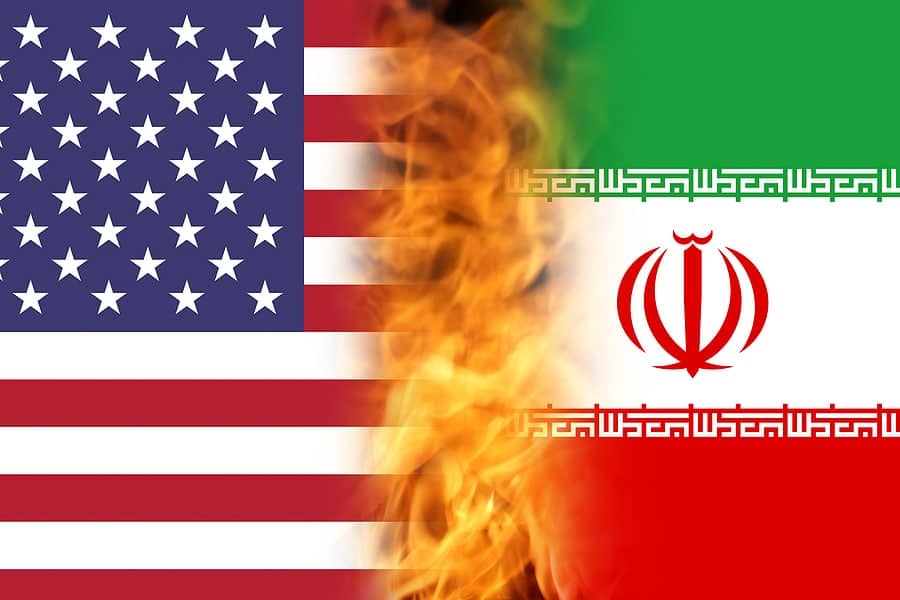

A Historic Shift in Middle Eastern Warfare
The direct military conflict involving the United States, Israel, and the Islamic Republic of Iran has been characterized as a historic transformation of Middle Eastern geopolitics. According to reporting by STL.News, this engagement marks a definitive departure from previous decades of covert proxy warfare, transitioning instead into sustained, conventional kinetic engagement in the region. The nature of the hostilities represents a structural change in how state actors interact militarily within the Middle East.
Observers note that the conflict has moved beyond the indirect support structures that defined regional tensions for years. Instead, the involved parties have engaged in direct military operations. This shift has been described as a significant alteration in the geopolitical landscape, ending an era where conflicts were primarily managed through third-party proxies and intelligence operations.
The Initiation of Hostilities
The war officially began on February 28, 2026. The outbreak of direct combat followed the breakdown of long-term diplomatic channels between the involved nations. Prior to the commencement of hostilities, the region experienced critical pre-war flashpoints during 2024 and 2025. These events contributed to the collapse of diplomatic efforts that had previously attempted to manage tensions.
Pre-War Flashpoints in 2024 and 2025
The period leading up to February 2026 was marked by escalating tensions. In 2024 and 2025, specific incidents served as critical flashpoints that undermined diplomatic stability. These events occurred while long-term diplomatic channels were still technically open but increasingly ineffective. The breakdown of these channels preceded the formal start of the war on February 28, 2026.
The Start Date
On February 28, 2026, direct military conflict commenced between the United States, Israel, and Iran. This date marks the beginning of the period referred to as the 2024-2026 U.S.-Iran War. The initiation of this phase followed the aforementioned collapse of diplomatic mechanisms.
Characteristics of the Conflict
The ongoing war has been defined by specific military tactics and scales of engagement. Reports indicate that the conflict has featured large-scale air campaigns conducted by the participating forces. These aerial operations have been a primary component of the kinetic engagement.
Retaliatory Missile Attacks
In response to air campaigns, retaliatory ballistic missile attacks have been launched. These missile strikes are described as part of the sustained conventional engagement that characterizes the current phase of the war. The exchange of air and missile fire represents the core of the direct military interaction between the United States, Israel, and the Islamic Republic of Iran.
Sustained Kinetic Engagement
The conflict is not a brief skirmish but a sustained engagement. This duration distinguishes it from previous periods of tension in the region. The sustained nature of the war has allowed for the development of long-term military strategies and the implementation of large-scale operations by all involved parties.
Geopolitical Implications
The transformation of the conflict from covert proxy warfare to direct conventional engagement has had broad implications for Middle Eastern geopolitics. The involvement of major powers in direct combat has altered the strategic balance in the region. This shift is described as a historic change, indicating that the war will have lasting effects on international relations and regional security structures.
End of Proxy Warfare Era
The move away from proxy warfare signifies an end to a specific era of conflict management. Previously, tensions were often managed through indirect means, allowing for plausible deniability and reduced direct risk for the primary actors. The current war eliminates this layer, placing the United States, Israel, and Iran in direct opposition.
Regional Stability Concerns
The nature of the sustained kinetic engagement raises concerns about regional stability. The large-scale air campaigns and retaliatory ballistic missile attacks contribute to a volatile environment. The historic transformation of geopolitics suggests that the outcomes of this war will redefine alliances, security doctrines, and diplomatic frameworks in the Middle East for years to come.
Chronological Overview
The timeline of the conflict is anchored by key dates and events. The period from 2024 to 2025 served as a precursor phase, marked by flashpoints and diplomatic breakdowns. The start date of February 28, 2026, marks the transition to open war. The current status of the conflict involves ongoing large-scale military operations.
Key Dates
- 2024: Pre-war flashpoints begin to emerge.
- 2025: Critical pre-war flashpoints continue; diplomatic channels break down.
- February 28, 2026: Direct military conflict begins.
Ongoing Operations
The war continues to feature large-scale air campaigns and retaliatory ballistic missile attacks. These operations are part of the sustained conventional engagement that defines the current phase of the 2024-2026 U.S.-Iran War. The conflict remains active, with no end date specified in available reports.