


Implementation of New Tariff Hikes
The United States has implemented new tariff hikes on more than a dozen countries, including China, according to the Office of the U.S. Trade Representative (USTR). The administration cited unfair trade practices as the justification for the measures, specifically accusing several major U.S. trading partners of overproducing certain goods and undercutting American businesses.
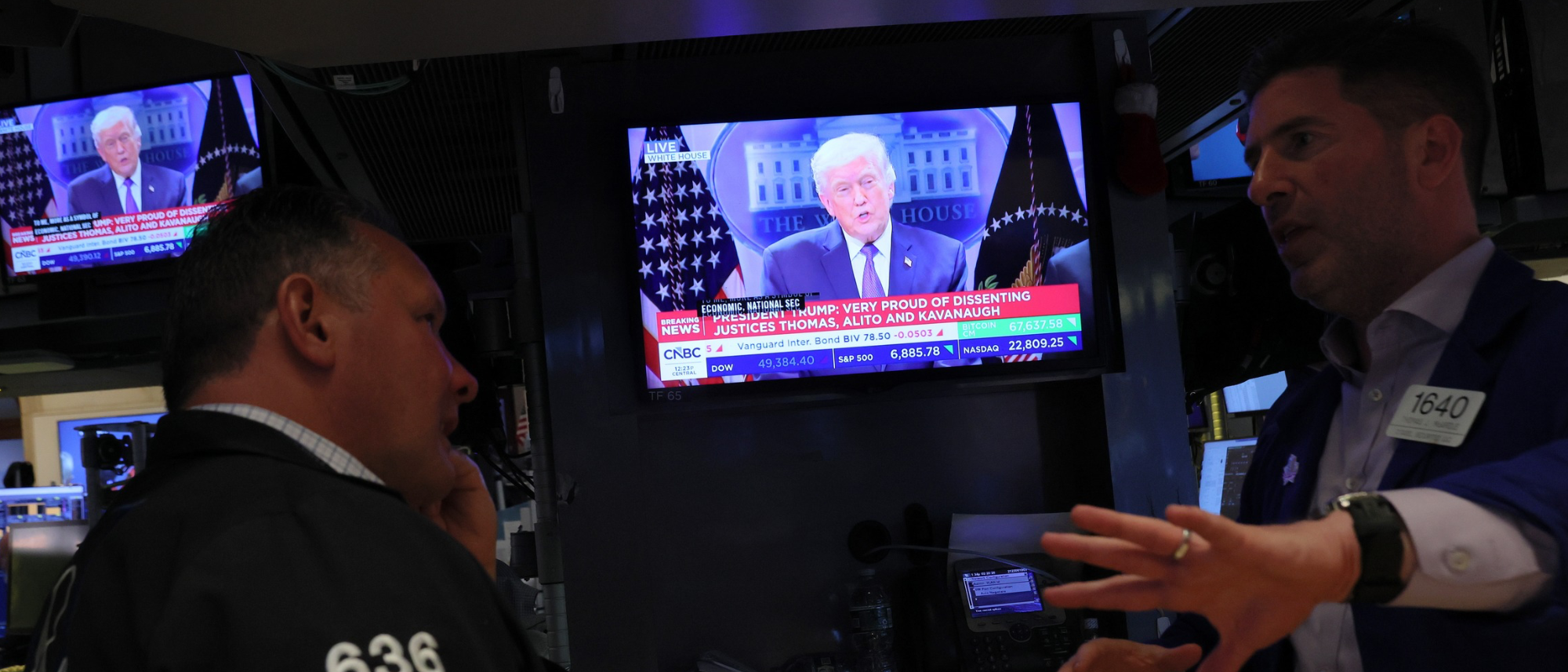
Officials stated that these actions contribute to the widening U.S. trade deficit. In a statement regarding the proposal, the U.S. Trade Representative described the move as "a set of targeted tariffs to respond to this problem of excess capacity." The announcement was shared via social media by the program "Squawk Box" on November 25, 2026.
Specific Tariff Rates and Targets
Under the proposed framework, certain Chinese imports would face a 20 percent tariff. The administration indicated that this rate could potentially double to 40 percent if Beijing fails to meet the terms of its trade agreement with Washington.
Tariffs for other nations vary based on the specific trade dynamics involved. Proposed rates include up to 35 percent for Vietnam, 25 percent for India, and 20 percent for the European Union.
The administration is also considering additional tariffs on Brazilian sugar and aircraft imports. These measures are intended to pressure Brazil regarding its trade practices. According to The New York Times, the new duties would affect only a portion of imports from each targeted country. Generally, these tariffs would not be added on top of existing national security duties on products such as steel and automobiles.
Legal Framework and Previous Actions
The administration plans to impose the duties under Section 301 of the Trade Act of 1974. This legal provision requires an investigation finding evidence of discriminatory trade practices before tariffs can be imposed.
This move follows a previous legal setback for the president's trade policy. Earlier this year, the Supreme Court struck down his initial country-specific tariffs. In response, the administration launched two investigations in March to reinstate tariffs that had been invalidated by the court.
One of these investigations resulted in duties taking effect in July regarding forced labor. Those specific duties are now facing a legal challenge, with judges appearing skeptical of the administration’s position.
International Response
China has rejected the claims underlying the new tariffs. Guo Jiakun, a spokesman for China’s Foreign Ministry, dismissed allegations of industrial overcapacity. According to a Bloomberg Law report, he accused the U.S. of using the issue for political purposes.
Administration Justification
President Donald Trump has defended the tariffs as a means to strengthen manufacturing, generate revenue, and secure better trade agreements. The administration maintains that these measures are necessary to address the economic imbalances identified in their investigations.