


Presidential Assertions on Regional Naval Command
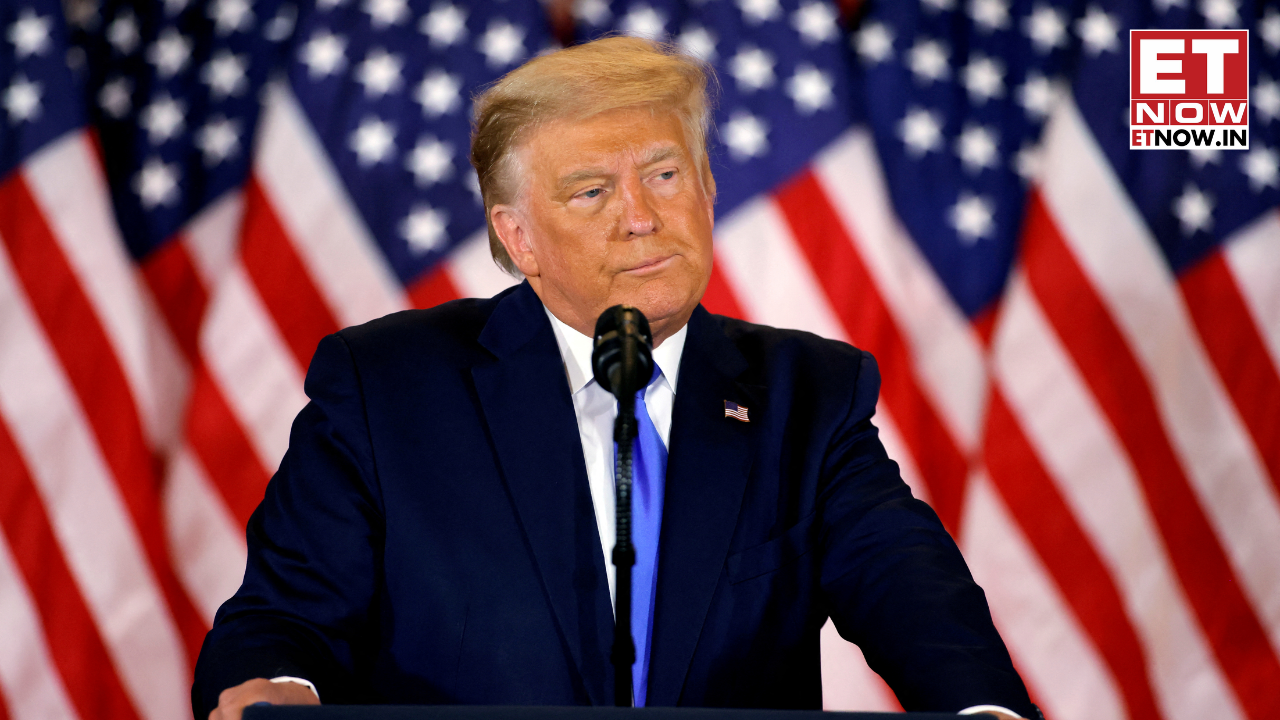
United States President Donald Trump has made a series of definitive statements regarding military control in the Persian Gulf region. During recent communications, the president asserted directly that the United States Navy maintains command over the strategic Strait of Hormuz. This declaration comes as tensions escalate within the Middle East involving various regional actors and international powers. According to reports from ET Now, President Trump stated unequivocally that nothing can reach Iran without prior approval from Washington. The administration frames this control not merely as a logistical capability but as an absolute authority over maritime traffic entering or exiting the strait connecting the Persian Gulf with the open ocean of the Arabian Sea. The president characterized his stance on regional security in stark terms, presenting Tehran with what he described as a binary choice. Trump told Iranian leadership that they must accept a proposed deal to avoid facing defeat. This ultimatum suggests a policy where diplomatic engagement is contingent upon immediate submission to American demands regarding military posture and strategic access. In these statements, the White House emphasized the extent of its naval presence in the region. The president indicated that any vessel or cargo attempting to navigate through the Strait of Hormuz requires clearance from US authorities. This claim positions the United States as the sole gatekeeper for maritime commerce passing between India, Pakistan, and Iran on one side, and Saudi Arabia, Oman, Yemen, and Qatar on the other. The administration's rhetoric has intensified in recent days, with President Trump focusing heavily on the necessity of American dominance to maintain global stability. He argued that without US oversight, the flow of oil and gas through this critical chokepoint would be jeopardized by regional instability or hostile actions from Tehran.
Characterizations of Iranian Leadership
A central element of President Trump's messaging involves his assessment of Iran's political leadership. He described the current regime in Tehran as duplicitous, suggesting that their diplomatic overtures lack sincerity and are designed to mislead international partners. This characterization appears frequently in statements attributed to the president regarding negotiations with Iranian officials. Trump has accused Iranian leaders of engaging in deceptive practices while simultaneously developing capabilities that threaten US interests. He argued that these duplicities undermine trust between nations and necessitate a more forceful approach from Washington. The president's use of such strong language marks a departure from previous diplomatic norms, where criticism was often couched in softer terms. The assertion that Iranian leadership is duplicitous serves to justify the administration's hardline stance on regional issues. By framing Tehran as untrustworthy and deceptive, President Trump aims to rally domestic support for his policies while isolating Iran diplomatically. This narrative suggests that traditional diplomatic channels are insufficient because they cannot penetrate what he perceives as a facade of cooperation. According to sources citing the president's remarks, this view extends beyond mere criticism; it forms the basis for policy decisions regarding sanctions and military posture in the region. The administration argues that only by exposing Iranian duplicity can true security be achieved for US allies and partners in the Middle East.
Implications of Naval Dominance Claims
The claim that the United States Navy controls the Strait of Hormuz carries significant geopolitical weight. Control over this waterway would allow Washington to dictate terms regarding oil shipments, potentially influencing global energy markets. The president's assertion implies a level of authority that extends beyond mere presence; it suggests an ability to enforce restrictions or prohibitions on movement through the strait. Analysts note that while US naval forces have historically maintained freedom of navigation in the region, explicit claims of total control represent a shift in rhetorical posture. President Trump's statements suggest he views this dominance as both a right and a responsibility under current global conditions. He argues that without such oversight, chaos could ensue if other powers attempted to challenge American interests. The administration has linked these naval capabilities directly to its broader strategy for managing Middle East conflicts. By controlling access through the strait, Washington aims to limit Iran's ability to project power or disrupt supply lines intended for adversaries like Israel and Saudi Arabia. This approach aligns with a doctrine that prioritizes deterrence over diplomacy in high-stakes environments. President Trump has indicated that his administration will not hesitate to use force if necessary to maintain this control. He suggested that any attempt by Iran to challenge US authority would be met with decisive action from the Navy. This threat reinforces the message that American dominance is non-negotiable and must be respected by all regional actors. The implications of these claims extend beyond immediate military considerations. They affect diplomatic relations, trade agreements, and security partnerships across the region. Countries dependent on oil imports through the Strait of Hormuz may find themselves more reliant on US protection than previously acknowledged in public discourse.
Escalating Regional Tensions
The backdrop to these assertions is a period of heightened tension within the Middle East. Various factions have expressed concern over potential escalations involving Iran and its regional proxies. President Trump's statements contribute to this atmosphere by reinforcing perceptions that Washington remains willing to intervene militarily if required. Opposing parties, including Iranian officials and their allies in the region, have responded with varying degrees of skepticism toward US claims. Some critics argue that controlling a strait through which multiple nations pass is an unrealistic expectation for any single power without broader international consensus. Others question whether such assertions reflect genuine capability or merely rhetorical posturing. Despite these challenges, President Trump maintains his position firmly. He continues to emphasize the necessity of American control over key maritime routes as essential to global security. His administration argues that alternative arrangements would leave vulnerable nations exposed to coercion by hostile regimes like Iran's.