

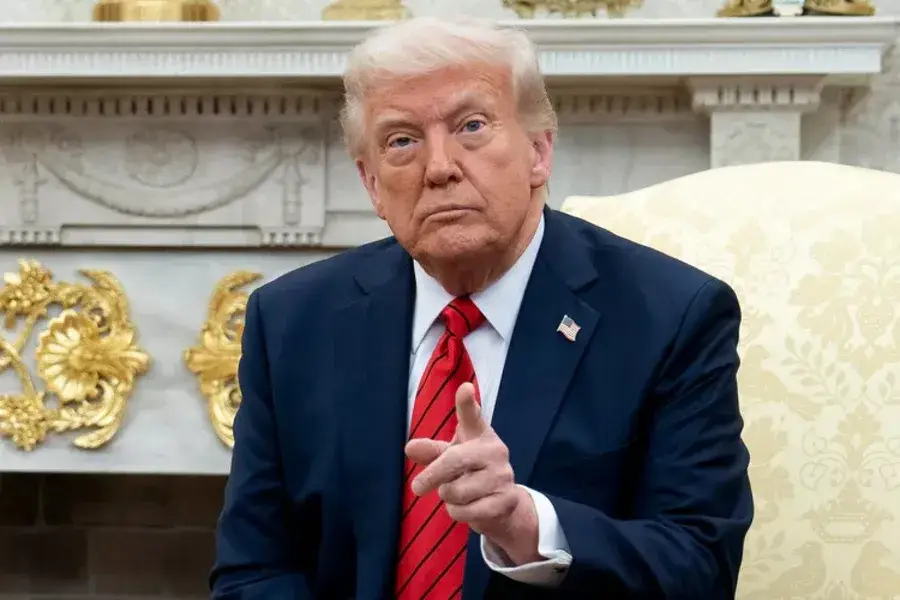

Presidential Waiver Removes Immediate Tariff Threat
\nPresident Donald Trump issued a waiver on Saturday that suspends key sanctions and trade restrictions under a new law targeting Russia, providing relief to India and China from the threat of tariffs of up to 100 percent on their purchases of Russian oil and gas. The decision was issued shortly before the new measures were scheduled to take effect.
\nTrump invoked the \"national interest\" of the United States as the justification for the waiver. The move pauses specific provisions of the Lindsey O. Graham Sanctioning Russia and Iran Act of 2026, which was signed into law by Trump in September. The legislation had granted the U.S. president the power to impose tariffs of up to 100 percent on goods imported from the five largest purchasers of Russian crude oil or natural gas.
\nUnder the original provisions of the act, India and China were exposed to these proposed measures as two of the world's biggest buyers of Russian energy. The waiver means the threatened 100 percent tariff will not be imposed at this stage. However, the administration clarified that the move does not amount to a permanent removal of all U.S. trade restrictions or sanctions linked to Russia.
\n\nLegislative Intent and Congressional Reaction
\nThe sanctions legislation was designed to increase economic pressure on Russia over its war in Ukraine while targeting countries that continue to purchase Russian energy. The secondary-tariff provisions had raised concerns in India regarding the potential impact on bilateral trade and economic ties with Washington.
\nDemocratic Senator Richard Blumenthal, one of the sponsors of the Russia sanctions legislation, criticized the waiver. According to reports, Blumenthal urged India and China to change their approach to Russian energy purchases following Trump's decision. He told both nations to \"clean up your act\" over their continued purchases of Russian energy.
\n\nImplications for Indian Energy Policy
\nFor India, the waiver provides immediate relief from a potentially significant trade penalty. New Delhi has maintained that its purchases of Russian crude are driven by energy security and market considerations. The decision gives India additional room to continue engaging with Russia on energy while managing its strategic and economic relationship with the United States.
\nThe waiver is likely to be viewed in New Delhi as a temporary reprieve rather than the end of the dispute over Russian oil purchases. Washington retains the ability to take further action if the administration determines that additional measures are warranted.
\n\nEnergy Market Context
\nTrump's decision comes amid concerns over energy prices and the U.S. administration's recent