


Markets React to Ruling Out Iran Strike
Global markets climbed on Friday after U.S. President Donald Trump ruled out a strike on Iran before the midterm elections, easing supply fears that had weighed on investors. Stocks rose following the announcement, which also included claims that Russian diesel would flow back to markets. The rally came after a "bruising week" for investors who had been monitoring oil prices, sanctions, and trade headlines simultaneously.
The move reduced the immediate threat of a fresh oil spike at a moment when fuel prices were already being pushed higher by ongoing tensions in the Middle East. Trump stated that Washington was holding "productive discussions" with Tehran. This declaration followed reports that the White House had asked the Pentagon to draw up plans for a possible attack ahead of the November 3 vote.
Agreement on Russian Diesel Supplies
In addition to addressing Iran, Trump claimed he had secured an agreement with Russian President Vladimir Putin for a major release of diesel to American and world markets. The deal involves a temporary easing of sanctions to allow the shipments to proceed. According to reports, Trump wrote that Russia would immediately supply more than 300,000 tons of diesel.
This initial shipment would be followed by an additional 500,000 tons in November and 1 million tons "immediately thereafter." A further 3 million tons were scheduled to follow within a short period of time. The Associated Press reported that Trump’s announcement marked a stark reversal of years of U.S. pressure on Moscow regarding its war with Ukraine.
Ukrainian Response to Diesel Deal
Ukrainian President Volodymyr Zelenskyy criticized the agreement. In a statement released by the Ukrainian Embassy in Washington, Zelenskyy called the diesel deal "a weak decision, unfortunately, a weak decision by strong partners." The criticism highlighted the diplomatic friction caused by the sudden shift in U.S. energy policy toward Moscow.
Ongoing Regional Tensions and Market Analysis
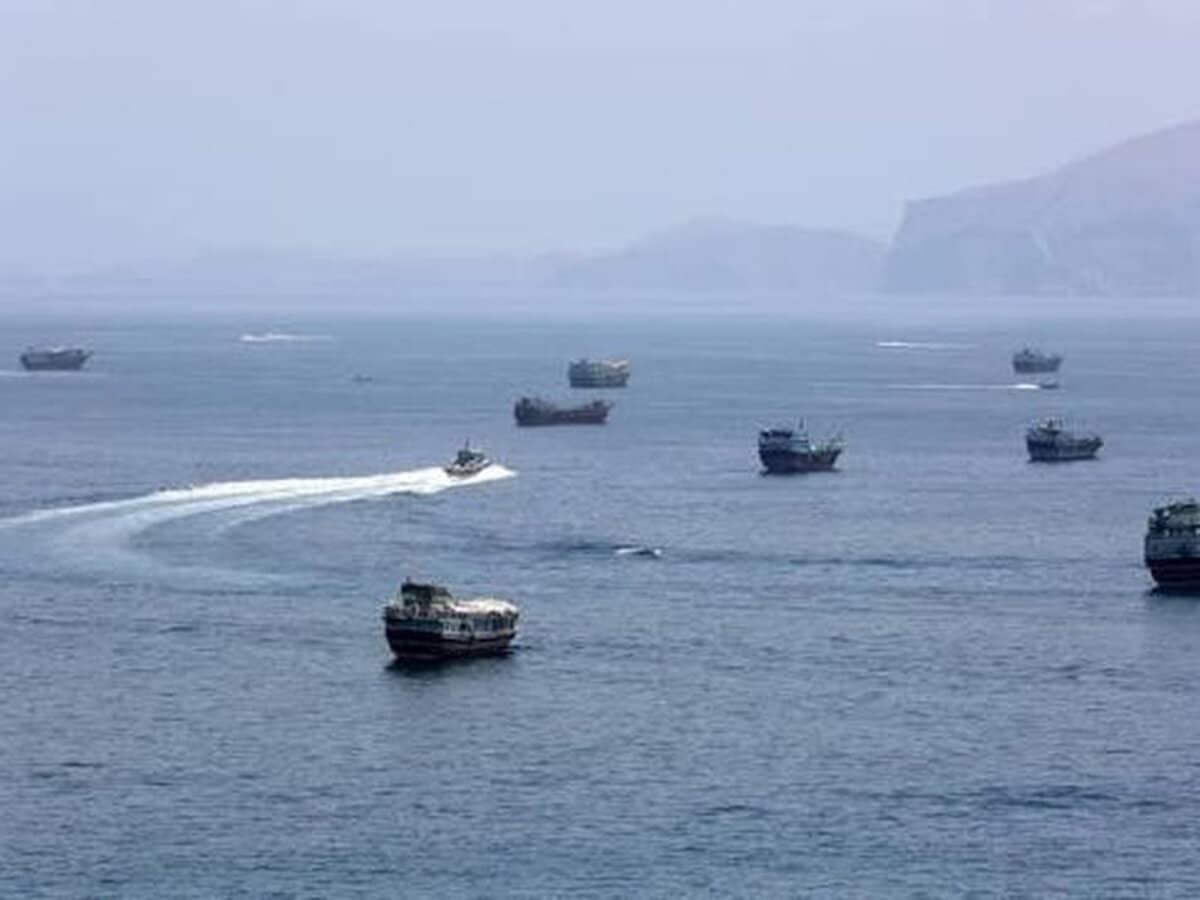
Global oil prices had previously soared due to the war in the Middle East. The conflict intensified after Tehran blocked the Strait of Hormuz following U.S.-Israel strikes targeting Iran from late February. This blockade had created significant volatility in global energy markets, prompting urgent diplomatic interventions.
Despite the market rally, analysts noted that underlying risks remained. Chris Beauchamp, chief market analyst at IG, stated that Trump’s comments did not change the "underlying tensions" in the Middle East. The geopolitical landscape remains fragile despite the temporary easing of supply concerns.
Angelo Kourkafas of Edward Jones said the deal had been "alleviating some of the worst-case scenarios" over supplies and inflation. However, broader trade risks and regional instability remained unresolved as markets processed the new developments. The immediate drop in oil prices reflected investor relief, but long-term stability remains uncertain.