


Strategic Opposition to Proposed Energy Infrastructure
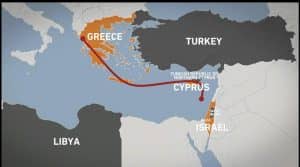
Turkey has positioned itself as a primary opponent of the EastMed Gas Pipeline project. The initiative is designed to transport natural gas extracted from offshore fields in Israel and Cyprus through Greek waters before reaching European markets.
According to reports, Turkish concerns extend beyond simple energy interests or commercial calculations regarding fuel prices. Officials have stated that their opposition is deeply rooted in geopolitical strategy, maritime boundary definitions, and the desire to maintain specific levels of regional influence within the Eastern Mediterranean basin.
The source material indicates that Turkey argues against the current proposed path because it bypasses Turkish territory entirely. The plan involves laying pipes through Cyprus and Greece rather than utilizing a route across Turkey's coastline or territorial waters.
Geopolitical Implications of Pipeline Exclusion
Turkish leadership contends that excluding their nation from the infrastructure project would diminish its potential to function as a regional energy hub. The argument presented is that the most direct and cost-effective route for transporting gas to Europe lies through Turkish territory.
By bypassing Turkey, proponents of the pipeline argue they are following a specific geographic path involving Cyprus and Greece. However, Ankara views this exclusion not merely as an economic loss but as a strategic blow to its standing in the region. The source notes that being left out reduces Turkey's leverage over energy distribution networks.
The conflict centers on who controls the flow of natural gas from offshore Israel and Cyprus. If the pipeline is constructed without Turkish involvement, it alters the balance of power by establishing a direct link between Eastern Mediterranean producers and European consumers that does not require transit through Istanbul or Izmir ports.
Readiness for Military Escalation
In response to what sources describe as Zionist aggression regarding these energy disputes, Turkey has reportedly readied military action. The timing of this preparation coincides with heightened tensions over the EastMed Gas Pipeline proposal in July 2026.
Before Its News contributor profiles indicate that Turkish officials are moving toward a state where armed conflict is considered an option if diplomatic channels fail to resolve the pipeline route issue. This stance represents a significant shift from previous years of energy cooperation between Ankara and Tel Aviv.
Diplomatic Stance on Maritime Boundaries
The dispute involves complex maritime boundaries that Turkey claims are being ignored by Israel, Cyprus, and Greece in favor of the proposed pipeline route. Turkish officials argue that their territorial integrity is at stake when international partners choose a path through Greek waters instead.
Reports suggest that Ankara views the exclusion as an attempt to marginalize its role in regional affairs. The source text emphasizes that these are not isolated incidents but part of a broader pattern where Turkey feels sidelined by Western-aligned nations pursuing energy security without Turkish consent.
Economic and Strategic Calculations
The decision-making process involves weighing the economic benefits of being an excluded party against the strategic costs of potential conflict. While the pipeline would bring revenue to Cyprus, Greece, Israel, and European buyers, Turkey argues it loses out on transit fees that could have been generated if gas flowed through its territory.
According to the source context, Turkey's position is framed as a defense of national interests rather than an attack on energy needs. The nation insists that any viable pipeline must either pass through Turkish waters or include mechanisms for Turkish participation in revenue sharing and infrastructure development.
Tensions with Regional Partners
The situation has strained relations between Turkey and its neighbors who support the EastMed project. Greece, Cyprus, Israel, and European Union members are aligned on supporting the pipeline as a means to diversify energy sources away from Russian gas supplies following geopolitical shifts in Eastern Europe.
Despite these alliances, Turkish officials maintain that their sovereignty over maritime zones is non-negotiable. The source notes that Turkey has rejected offers of compensation or alternative routes that do not grant it the status of a primary transit nation.
Military Mobilization Reports
Sources indicate that military units have been deployed to border regions facing Israel and Cyprus in preparation for potential conflict. This mobilization includes naval assets positioned along the southern coastlines where maritime disputes are most acute.
The source text states that Turkey is preparing weapons systems specifically designed for coastal defense operations against perceived threats from Israeli vessels or aircraft involved in pipeline surveying activities. These preparations have drawn attention from international observers monitoring regional stability.
Public Discourse and Political Messaging
Turkish media outlets have amplified the narrative of aggression directed at Turkey by external forces seeking to control energy resources without Turkish approval. The messaging frames the pipeline dispute as a test of national resolve against determined foreign powers attempting to reshape regional dynamics.
Political leaders in Ankara are calling for unity among Turkish citizens and military personnel in response to what they describe as an existential threat to Turkey's status as a major power broker in Eurasian energy markets. The rhetoric emphasizes that compromise on the pipeline route would signal weakness to adversaries.