


Escalation Transforms Commercial Waterway Into Global Economic Risk
The ongoing conflict between the United States and Iran has fundamentally altered the operational status of the Strait of Hormuz. Historically functioning as a standard commercial shipping lane, this narrow waterway now operates under conditions described by observers as those of the world's most dangerous economic chokepoint. Its strategic importance cannot be overstated, as a significant portion of the world's seaborne oil passes through this passage, making it a critical artery for global energy supply.
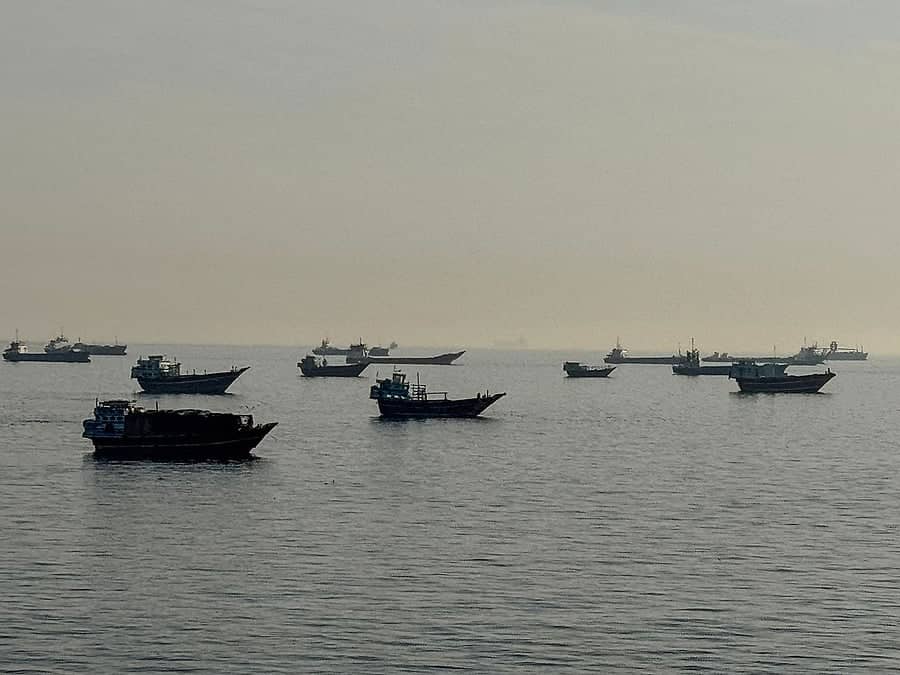
According to reports from Gulf News, vessels are currently seen anchored in the strait off the port city of Khasab on Oman’s northern Musandam Peninsula. These visual indicators reflect a broader reality where commercial shipping has come under direct attack over recent months. The presence of anchored vessels signals a heightened state of caution and disruption, as ships wait for perceived safer transit windows or reassess their routes in the face of escalating threats. Such delays contribute to supply chain inefficiencies and increased operational costs for shipping companies.
The economic impact extends beyond physical threats to navigation. Insurance premiums for vessels operating through this region have surged significantly as risk assessments change in real time. Underwriters are factoring in the increased likelihood of missile strikes, drone attacks, or other hostile actions, leading to substantial additional costs for cargo and hull insurance. This directly impacts the profitability of shipping and ultimately the cost of goods, particularly oil, for consumers worldwide. Oil markets are reacting with volatility, swinging wildly based on every missile strike executed by either party or media statements released during the crisis period, demonstrating the acute sensitivity of global energy prices to regional instability.
Analysts note that traders react immediately to X posts and other digital communications regarding troop movements or weapon deployments. This rapid reaction cycle contributes to market instability without necessarily resolving the underlying geopolitical tensions driving the hostilities. The speed at which information, or even rumors, can propagate through digital channels means that market sentiment can shift dramatically within minutes, leading to unpredictable price fluctuations and exacerbating the sense of economic uncertainty surrounding the strait.
Conflict Expansion Beyond Hormuz Indicates Broad Instability
The violence associated with this diplomatic standoff has not remained contained within the immediate vicinity of the strait. Fighting has spread geographically, affecting multiple nations in the region including Iraq and Jordan. These extensions of the conflict demonstrate a dangerous pattern of regional destabilization, drawing in various state and non-state actors and creating new fronts of confrontation far from the initial flashpoint.
In addition to these Middle Eastern neighbors, attacks have been reported near Egypt’s Suez Canal. This geographic expansion underscores how rapidly a localized dispute can escalate into a wider regional crisis involving diverse state actors and non-state elements. The proximity of attacks to the Suez Canal, another vital global maritime chokepoint, raises concerns about the potential for broader disruptions to international trade routes, impacting not just oil shipments but a vast array of goods traversing between Asia and Europe.
The pattern of violence suggests that the conflict dynamics are complex and interconnected. Actions taken in one theater appear to influence security conditions across hundreds of miles, creating a ripple effect that impacts global trade routes far removed from the initial flashpoint at Hormuz. This interconnectedness means that a missile strike in the Gulf can have repercussions for shipping schedules in the Mediterranean or insurance rates in London, illustrating the globalized nature of the economic and security challenges posed by the ongoing hostilities.
Diplomatic Proposals Offer Alternative Pathways To Stability
Amidst this renewed spiral of violence involving missiles and rhetoric, two specific diplomatic proposals have emerged. These ideas deserve attention according to editorial analysis published by Gulf News on July 31, 2026, as they offer potential off-ramps from the current trajectory of escalation. While details for the second proposal remain less elaborated in current reports, the first offers a concrete framework for rethinking the management of the critical waterway.
The first proposal suggests a fundamental change in the governance structure regarding the Strait of Hormuz itself. This approach moves away from treating the waterway as a geopolitical flashpoint controlled primarily through unilateral or bilateral assertions of dominance. Instead, it advocates for a multilateral framework that acknowledges the shared international interest in the strait's stability and navigability, rather than allowing it to be an arena for power projection.
Transforming Governance To Create Common Corridor
The core concept involves redefining how international shipping and security interests are managed within the strait’s boundaries. Instead of allowing current tensions to dictate terms, this proposal seeks an institutional framework that treats the passage as a common corridor shared by all maritime nations. This would entail establishing clear, internationally recognized rules of engagement and navigation, potentially overseen by a neutral body or a consortium of nations with vested interests in global trade.
Such a shift would require significant negotiation between Tehran, Washington, and other regional stakeholders including Oman, which shares direct control over parts of the strait. The goal is to establish rules of engagement that prioritize stability over short-term tactical advantages gained through missile strikes or naval posturing. By fostering a sense of collective responsibility and mutual benefit, this framework aims to depoliticize the strait, transforming it from a source of conflict into a model of international cooperation for maritime security and trade.
Economic Logic Supports De-Escalation Over Military Victory
Historical analysis suggests wars often end not because one side achieves a decisive military victory, but when both parties recognize they have more to gain from stability than from perpetual escalation. This logic applies directly to the current situation in Hormuz, where the economic costs and risks of continued conflict are rapidly outweighing any perceived strategic benefits for either the United States or Iran.
The economic costs of continued conflict are becoming unsustainable for all involved parties. Global oil supply chains depend on uninterrupted flow through these narrow passages, and any significant disruption could trigger a global energy crisis with far-reaching economic consequences. Immediate financial losses from halted shipments, damaged vessels, and soaring insurance rates far outweigh potential strategic gains achieved through kinetic action, making a prolonged military standoff economically irrational for all stakeholders.
Traders and insurers have already signaled their inability to absorb further increases in risk premiums or insurance rates associated with missile threats. This market feedback loop provides a tangible metric for the cost of continuing current hostilities versus pursuing diplomatic solutions. The financial markets, through their pricing mechanisms, are effectively communicating that the current path is unsustainable, urging a shift towards de-escalation and the establishment of more predictable and secure conditions for international commerce.