

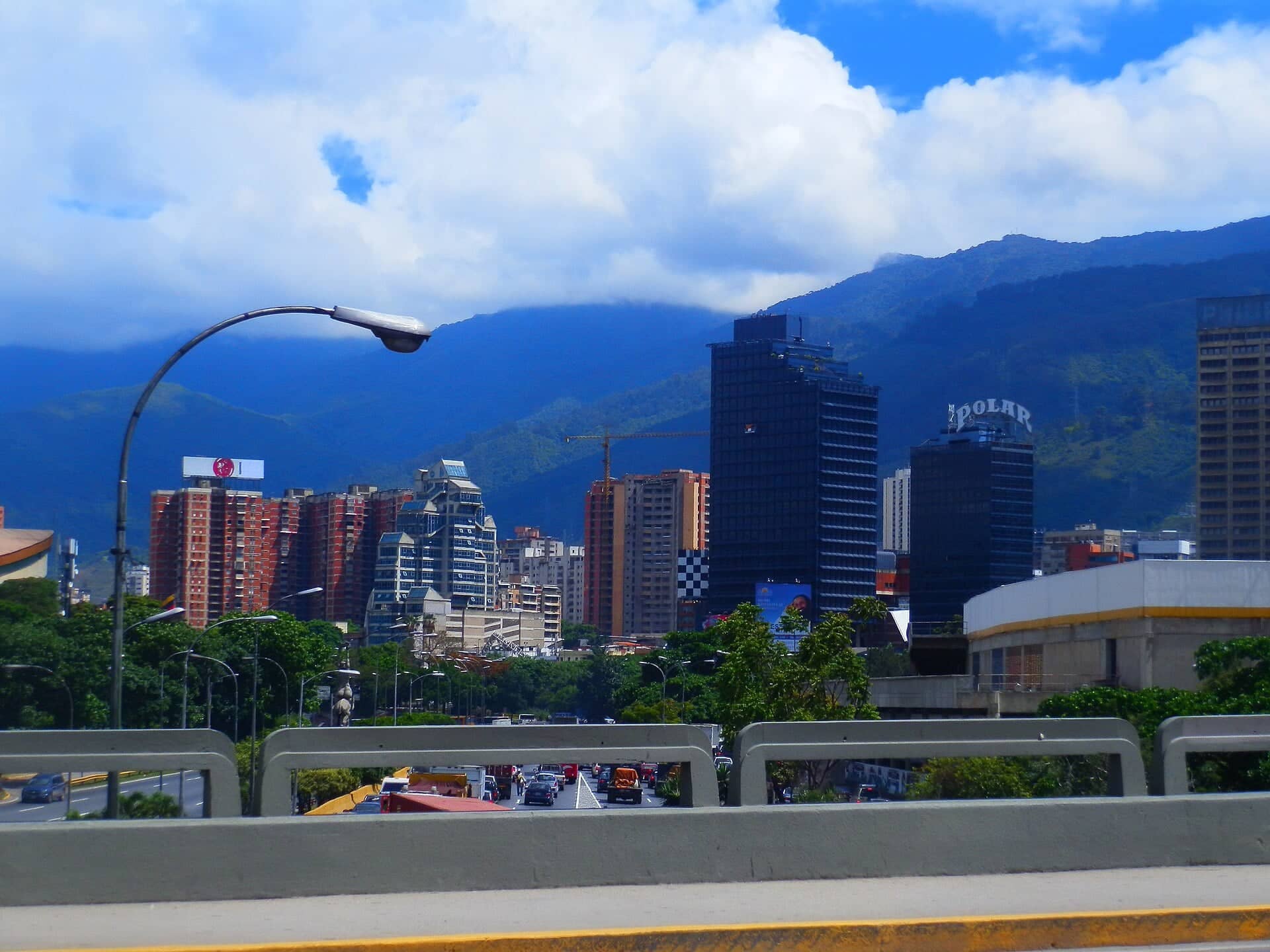

Power Vacuum and Political Realignments in Caracas
The political landscape of Venezuela has undergone a seismic shift following the capture of former president Nicolás Maduro and his wife, Cilia Flores, by US forces in January 2026. In the immediate aftermath, Delcy Rodríguez assumed the role of acting president, navigating a complex domestic environment while international relations remain in flux. This transition has left the country without a firmly established long-term leadership structure, creating a period of uncertainty that continues to define current diplomatic and internal dynamics.
Amidst this power vacuum, opposition leader María Corina Machado has re-emerged on the national stage. After spending more than ten months abroad, Machado returned to Venezuela on October 25, 2026. Her reappearance marks a significant moment for the opposition movement, which had been fragmented during her exile. However, her return comes at a time when the timeline for democratic restoration remains ambiguous.
The Absence of an Election Calendar
Despite the dramatic changes in leadership and the presence of key opposition figures, Venezuela currently has no set date for a presidential vote. This lack of a concrete electoral timetable has become a central point of contention between the government and opposition groups. Machado has publicly stated her desire for a presidential election to be held by July 2027, a timeline that contrasts with the slower pace of diplomatic negotiations.
The urgency for an election date was highlighted on October 22, when opposition supporters took to the streets in Caracas. These demonstrators marched specifically to demand a fixed date for the presidential vote, signaling growing impatience among the public regarding the prolonged political transition. The absence of a clear schedule has fueled protests and heightened tensions between various political factions within the country.
Diplomatic Maneuvers and US-Influenced Talks
Washington has been actively engaged in facilitating dialogue between Rodríguez’s government and opposition delegates. These efforts culminated in the fourth round of US-backed talks, scheduled to take place from November 11–15, 2026. The United States has positioned itself as a key mediator in these discussions, aiming to stabilize the region and establish a path toward democratic governance.
US Secretary of State Marco Rubio highlighted the significance of these diplomatic efforts on X, stating that Machado’s safe return was the direct result of US-backed talks with the government. This assertion underscores the perceived leverage Washington holds in influencing political outcomes within Venezuela. However, the nature of these negotiations has drawn criticism for excluding key opposition voices.
Notably, María Corina Machado was not invited to those talks, despite her status as a leading opposition figure and the 2025 Nobel Peace Prize winner. This exclusion has raised questions about the inclusivity of the diplomatic process and whether the current negotiations truly represent the breadth of political sentiment in Venezuela. Her ally, Edmundo González Urrutia, who served as the opposition’s 2024 presidential candidate, confirmed that Machado was "in Venezuelan territory," but did not comment on her involvement in the ongoing talks.
Previous Negotiation Stalls
The current round of discussions follows a pattern of stalled diplomacy. The third round of talks ended without an election timetable, leaving many observers skeptical about the effectiveness of the current negotiations. The failure to secure a concrete date in previous rounds adds pressure on the upcoming November session to produce tangible results.
Following her return, Machado’s party, Vente Venezuela, announced on October 26 that she was ready to meet with Rodríguez. However, no date, place, or agenda for such a meeting has been announced. This uncertainty reflects the broader lack of structure in the political transition process and the cautious approach taken by both sides.
Economic Indicators and International Relations
While political negotiations continue, economic indicators provide some insight into the country’s current state. On October 23, Rodríguez reported that an oil field in Zulia state had reached production levels of 115,000 barrels a day. This figure is being closely watched by international markets and domestic stakeholders alike, as energy production remains a critical component of Venezuela’s economy.
On the diplomatic front, Venezuela has maintained relations with neighboring countries. On October 25, Venezuela’s Foreign Ministry congratulated Brazil’s re-elected president, Lula, on his victory. This gesture suggests an effort to maintain regional stability and foster cooperation with key South American partners during a period of internal political upheaval.
Prisoner Releases and Diplomatic Presence
The State Department reported that more than 1,000 political prisoners have been freed since January. This development is being viewed by some as a positive step toward normalizing relations, though it remains unclear if these releases are part of a broader agreement or isolated actions.
Additionally, the US Embassy in Caracas has adjusted its operational structure. Chargé d’affaires John M. Barrett reported that all US Embassy staff now work from the Caracas compound. This consolidation of diplomatic operations may reflect a strategy to maintain a consistent presence and facilitate ongoing communications with the acting government.
Market Sentiment and Future Outlook
The uncertainty surrounding Venezuela’s political future is also reflected in financial markets. Polymarket currently assigns a 16% probability to a Venezuelan election being scheduled by December 31, 2026. This low probability indicates widespread skepticism among bettors regarding the likelihood of a rapid resolution to the political crisis.
As the country approaches the November talks, the pressure is mounting on both the government and opposition to produce a viable path forward. The combination of internal protests, diplomatic exclusions, and economic challenges creates a complex environment where the outcome of the upcoming negotiations will likely shape Venezuela’s trajectory for years to come.