

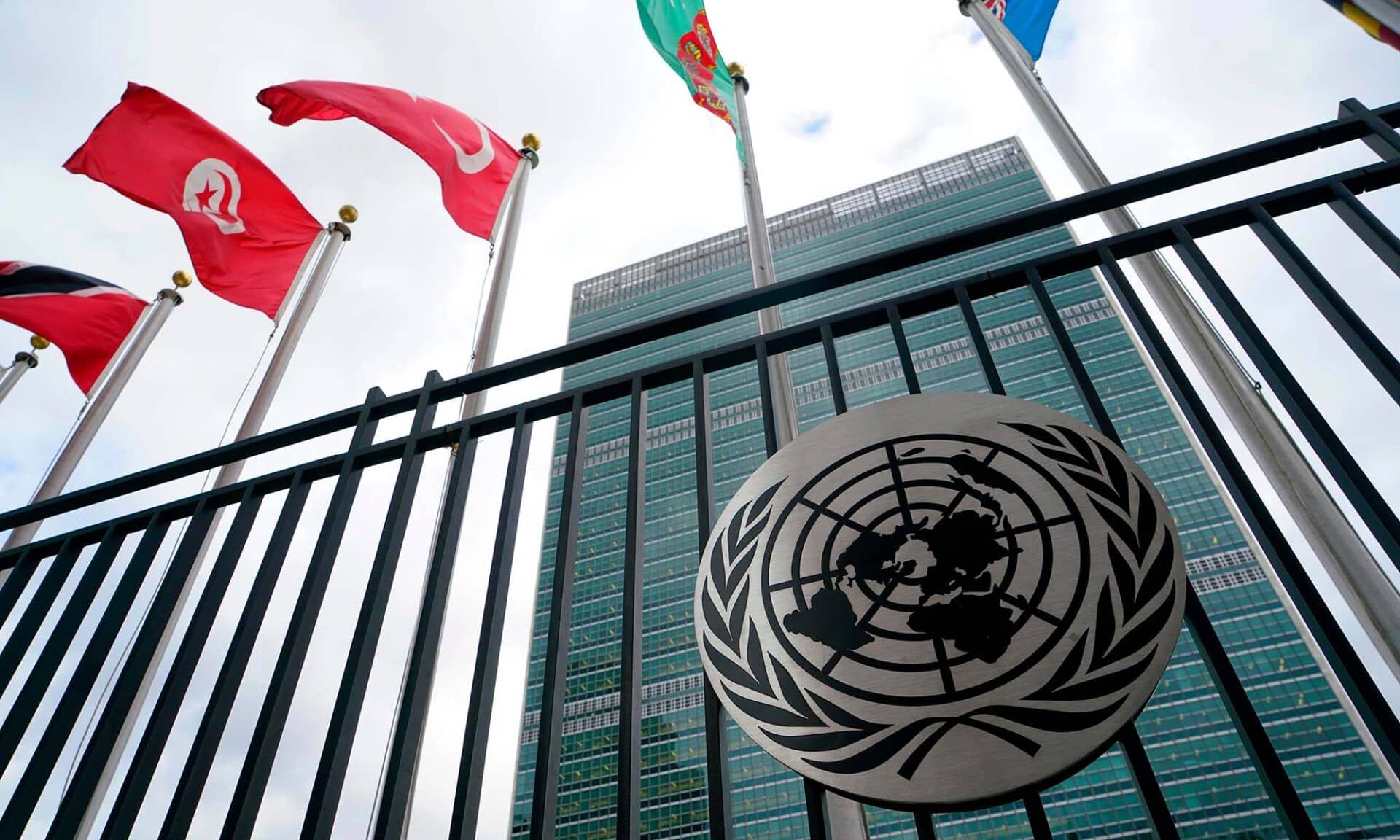

Crisis of Legitimacy at the Heart of Global Governance
Global governance faces an acute crisis regarding both legitimacy and confidence. The organization operates under scrutiny while maintaining a structure that many observers describe as being controlled by powerful states rather than serving all nations equally.
The United Nations was established more than eight decades ago with specific mandates: to prevent conflict, ensure justice, and provide a platform where every nation—regardless of size—could be heard. However, contemporary analysis suggests the organization struggles to live up to these founding ideals in practice.
While all members are theoretically equal within the forum, critics argue that some states possess significantly greater influence than others. This disparity casts shadows on the relevance of the post-World War II global order as it enters the 21st century. The international framework founded on sovereign equality and collective security appears to be losing credibility.
Current events involving wars, intensifying geopolitical rivalries, and instances of institutional paralysis are contributing factors to this decline in trust. These elements combine to challenge the foundational principles upon which the organization was built following World War II and reinforced during the post-Cold War era.
The P5 Problem and Structural Imbalances
Nowhere is the imbalance of power more evident than within the UN Security Council. The structure concentrates decision-making authority among five permanent members, known as the P5. These nations hold veto powers that allow them to decide outcomes often based on their own competing geopolitical interests.
This concentration of power directly contradicts the promise found in the UN Charter regarding sovereign equality for all member states. When critical moments arise requiring collective action, these structural realities frequently lead to deadlock rather than resolution.
"The United Nations was established to promote multilateralism, yet its principles are increasingly being sidelined by unilateral actions in global conflicts," says former ambassador Masood Khalid.
The organization is perceived as a talk-shop where debates occur but decisive action remains elusive. The reins of the institution appear firmly held by powerful states rather than functioning as an impartial arbiter for all humanity. This perception undermines the multilateralism intended to replace unilateral dominance in international relations.
Conflicts in the Gulf, Gaza and Ukraine
The legitimacy crisis is not abstract but tied directly to ongoing conflicts across different regions. The United Nations faces pressure from simultaneous crises involving tensions in the Gulf region, violence in Gaza, and war in Ukraine.
In these instances, the ability of the UN to prevent conflict has been questioned by analysts observing its performance on the ground. Similarly, questions have arisen regarding whether the organization can effectively ensure justice for victims across different theaters of operation or provide a truly neutral platform where all nations are heard without bias toward powerful actors.
Reports indicate that these specific conflicts highlight the limitations of current mechanisms. The paralysis observed within UN institutions suggests an inability to adapt quickly enough to modern geopolitical realities. This situation forces a broader rethink regarding whether the Western-led global order remains viable or requires fundamental restructuring.
Institutional Paralysis and Shifting Alliances
The concept of institutional paralysis describes a state where decision-making bodies are unable to act decisively despite urgent needs for intervention. This phenomenon has been noted in relation to the Security Council's inability to overcome vetoes or coordinate unified responses.
As geopolitical rivalries intensify, the lines between multilateral cooperation and unilateral action become increasingly blurred. Former ambassador Masood Khalid notes that while the UN Charter promises sovereign equality for all nations, decision-making remains concentrated among a select few powers.
This dynamic creates an environment where principles are sidelined in favor of national interests held by permanent members. The result is an international order shaped after World War II that may no longer reflect the balance of power or moral expectations required today.
The article published on July 19, 2026, highlights these concerns through the lens of current events. It suggests that without addressing structural imbalances and restoring faith in collective security mechanisms, the United Nations risks becoming obsolete despite its continued existence as an international body.
Observers note that confidence is eroding among smaller nations who feel marginalized by decisions made behind closed doors at the Security Council level. The perception grows that global governance functions more like a negotiation table for great powers than a universal institution designed to protect human rights and maintain peace worldwide.