


Deployment of Specialized Rescue Personnel and Equipment
The United States government is initiating a comprehensive humanitarian relief operation in Venezuela following the impact of two powerful earthquakes. The State Department has identified itself as the lead coordinator for this government-wide effort, which includes the mobilization of specialized rescue teams and advanced communication technology.
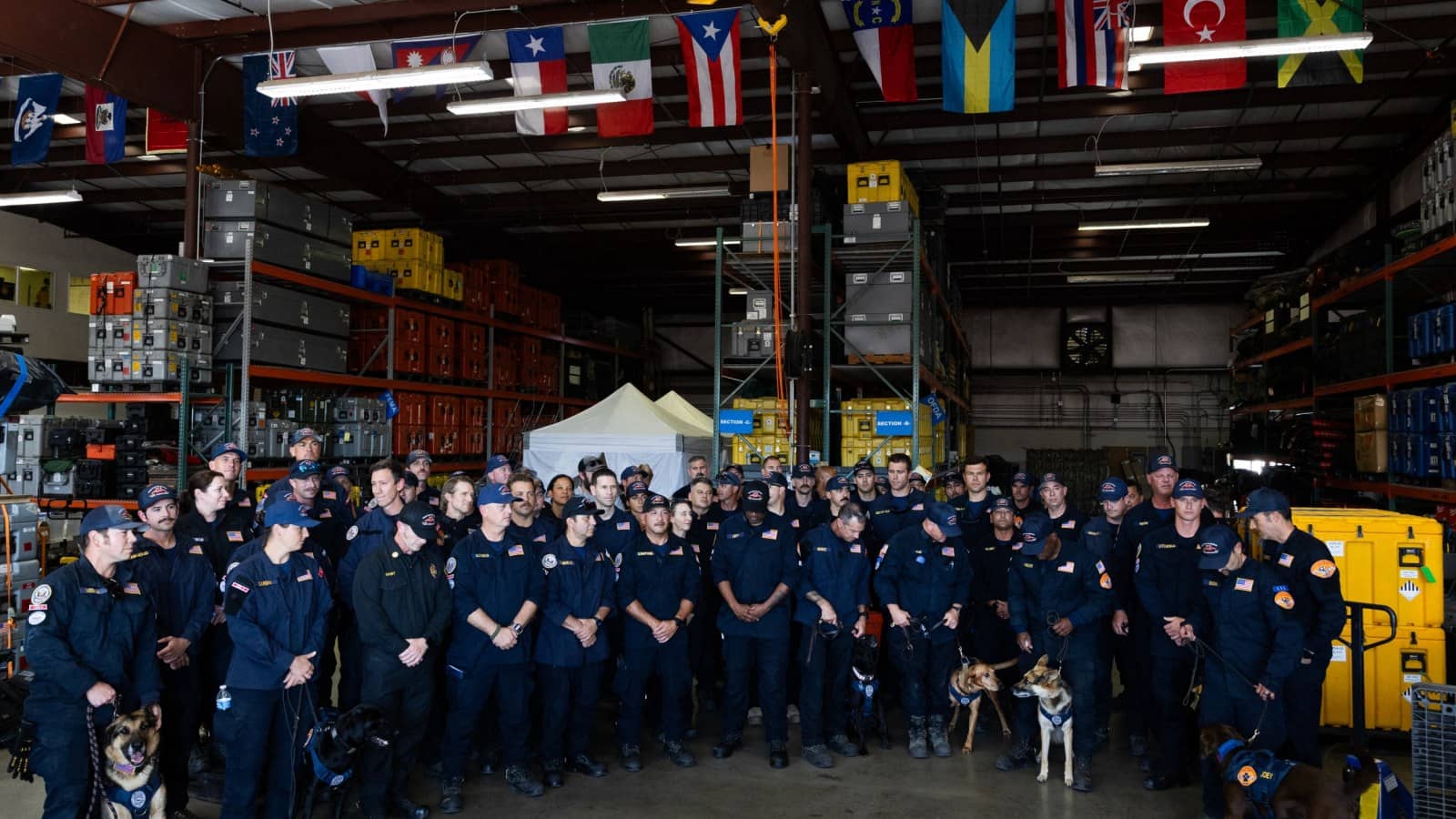
Central to the personnel deployment is the international urban search and rescue team known as USA-2, operated by the Los Angeles County Fire Department. According to reports, 71 crew members from this unit are being prepared for dispatch to the disaster zone. The team will be accompanied by six dogs trained for search and rescue operations.
Photos released by the State Department show members of the USA-2 team in Pacoima, California, preparing for their departure on June 25, 2026. The team is scheduled to leave from this location to assist with search and rescue efforts in the affected regions of Venezuela.
In addition to ground-based rescue personnel, the United States is deploying Starlink satellite internet terminals to the region. The State Department stated that these terminals are intended to restore communications in areas where infrastructure has been compromised by the seismic events. This technological support is part of a broader strategy to facilitate coordination among relief workers and aid agencies operating in the disaster zone.
Military Logistics and Financial Commitments
The logistical framework for the relief mission relies heavily on military assets to overcome physical barriers to aid delivery. The United States is dispatching Navy vessels and military transport planes to support the operation. These assets are critical for moving personnel and supplies, particularly given the condition of local infrastructure.
Relief efforts have been complicated by damage to a key airport in the affected area. This damage has hindered the standard delivery of supplies and personnel, necessitating the use of alternative transport methods such as military aircraft and naval vessels to bypass the compromised aviation hub.
Financially, the United States has pledged $150 million in assistance for the disaster zone. This funding is part of a larger package that includes the physical deployment of equipment and personnel. The pledge represents a significant commitment of resources from the U.S. government to address the immediate needs of the population impacted by the earthquakes.
The scale of this operation marks a notable shift in U.S. engagement with Venezuela. It is described as the largest U.S. relief effort in the country since the closure of USAID operations. The mobilization involves multiple branches of the government working under the coordination of the State Department to deliver aid efficiently.
Timing and Geopolitical Context
The timing of this humanitarian mission occurs against a backdrop of recent military tensions between the United States and Venezuela. The aid operation is being launched approximately five months after a U.S. special forces raid took place in Venezuelan territory. This previous event has influenced the diplomatic landscape, yet the current relief effort proceeds as a distinct government-wide initiative.
The earthquakes that triggered this response killed at least 188 people and left hundreds injured. The death toll and number of injuries have prompted rescuers from around the world to offer assistance. The United States' contribution is part of this international response, utilizing its military and specialized rescue capabilities to address the immediate crisis.
The State Department's plan details how these various assets will be integrated. The coordination includes the management of relief funds, the scheduling of military transport, and the deployment of technical support systems like Starlink. The goal is to establish a functional aid network despite the challenges posed by damaged infrastructure and the scale of the destruction.
As the USA-2 team prepares to depart from California, other elements of the relief mission are being activated. Navy vessels are being positioned to support logistics, while military transport planes are being readied to carry supplies that cannot be moved through the damaged airport. The $150 million pledge provides the financial backing for these extensive logistical operations.
The deployment of elite rescue teams and advanced technology highlights the complexity of the response required in Venezuela. With communications restored via satellite terminals and transport secured by military assets, the United States aims to deliver its pledged aid effectively. This effort stands as a major humanitarian undertaking following the closure of previous USAID operations in the region.