

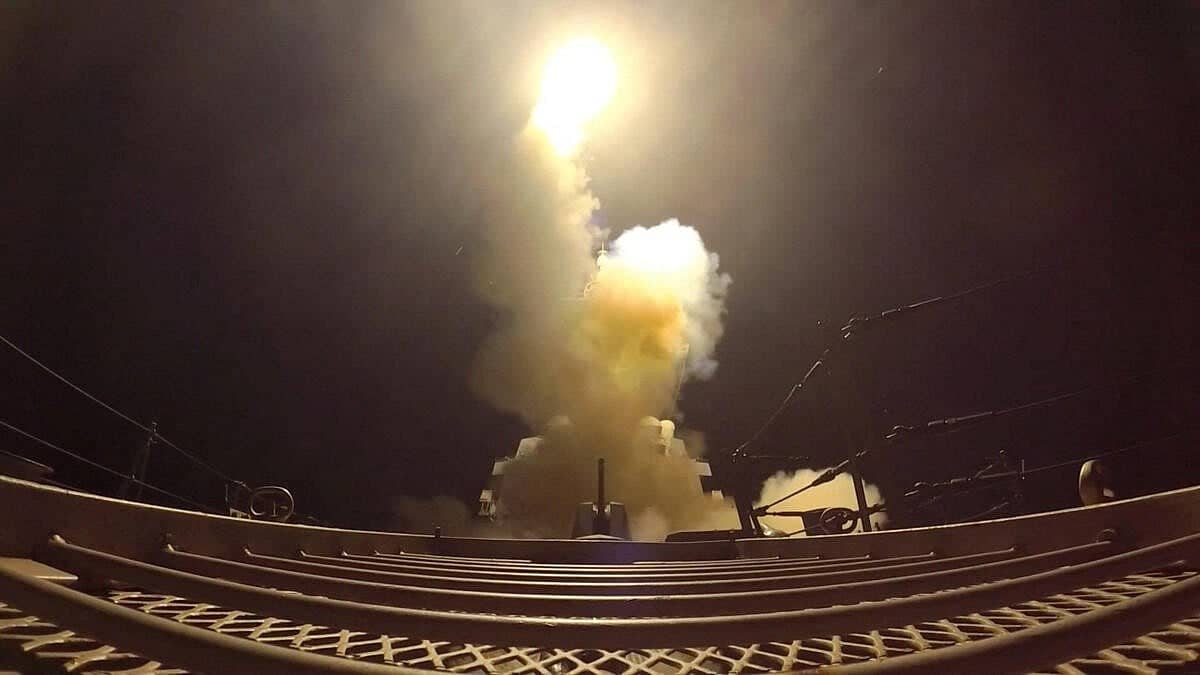

Five Days of US-Iran Retaliation Signals Intensified Conflict
The United States and Iran have engaged in a continuous exchange of retaliatory strikes for five consecutive days, marking a significant escalation in their volatile relationship. This latest surge in hostilities began on Wednesday, ushering in what analytical observations suggest is a new and more intense phase of conflict between the two nations.
The sustained nature of these attacks, persisting without interruption, indicates a clear intensification of hostilities rather than any winding down of military engagements. Neither Washington nor Tehran has demonstrated any inclination toward de-escalation, a critical observation that underscores the gravity of the current situation and the potential for prolonged confrontation.
Absence of De-escalation Signals
The lack of de-escalation signals from both parties presents a complex challenge for future geopolitical calculations. The fact that strikes have continued for a fifth consecutive day strongly suggests that existing diplomatic channels and previous efforts have not succeeded in halting the military engagements. This ongoing exchange highlights a deep-seated mistrust that continues to define the relationship between the two governments, despite any prior attempts to manage tensions.
International observers have noted the severity of this situation, emphasizing that prolonged conflict between major regional powers often carries significant consequences that extend far beyond their immediate borders. The current trajectory suggests a period of sustained military posture from both sides, with no public announcements of willingness to negotiate or withdraw from their current positions as of Wednesday's developments.
Trump's Stark Warning Amid Diplomatic Impasse
A statement attributed to Donald Trump was released regarding the ongoing conflict with Iran, outlining two distinct and stark potential outcomes for the situation involving Tehran and Washington. The former president's remarks encapsulate a binary nature of rhetoric surrounding the diplomatic stalemate between the United States and its adversary in the Middle East.
In his statement, Trump declared: "We'll find out whether or not we settle with Iran or we just finish them off." This quote not only frames the potential resolution in absolute terms but also reflects a hardline approach that contrasts sharply with traditional conflict resolution frameworks, shifting the discourse towards more aggressive posturing.
Hardline Stance and Strategic Messaging
The language employed by political figures such as Donald Trump reflects a strategic messaging designed to convey a firm and uncompromising stance. This approach diverges from previous diplomatic overtures and could significantly influence both domestic and international perceptions of US policy regarding the broader Middle Eastern security architecture. By presenting the options as either a definitive settlement or decisive military action, the rhetoric signals a potential departure from incremental diplomatic engagement.
Such aggressive posturing, particularly when coupled with ongoing military actions, complicates efforts to find common ground or establish pathways for de-escalation. It reinforces the perception of an intractable conflict, where compromise appears less likely given the public pronouncements from key figures involved in shaping US foreign policy toward Iran.
Deepening Mistrust and Failed Diplomacy
The persistence of these attacks for five days without interruption highlights the profound depth of mistrust that remains between the United States and Iranian governments. This mistrust has demonstrably hampered previous diplomatic efforts aimed at managing tensions and preventing escalation. The current exchange of strikes represents a critical juncture in US-Iran relations, where the absence of a willingness to negotiate or withdraw from military postures underscores the severity of the diplomatic impasse.
Neither side has publicly announced any inclination to engage in negotiations or to alter their current military deployments, according to available reporting. This lack of movement on the diplomatic front, combined with the continued military actions, suggests that both parties remain entrenched in their respective positions, making a resolution through conventional diplomatic means increasingly challenging.
Regional Stability Under Threat from Prolonged Hostilities
The conflict between the United States and Iran does not unfold in isolation; rather, it intricately intersects with broader regional dynamics involving a multitude of other nations and non-state actors. The involvement of these multiple stakeholders adds significant layers of complexity to any efforts to resolve disputes through conventional diplomatic means alone, making the path to peace more arduous.
Regional stability depends heavily on how these powerful actors manage their differences without resorting to further violence. An escalation could destabilize neighboring countries, potentially provoking wider international intervention under various pretexts related to security concerns within the region itself. The ongoing hostilities therefore carry a substantial risk of broader geopolitical ramifications, impacting the delicate balance of power across the Middle East.
Calculated Strategies and Logistical Demands
The observed pattern of retaliation over five consecutive days suggests a calculated strategy rather than a series of spontaneous outbursts. Each strike appears to be designed to respond directly to previous actions, with the aim of maintaining momentum within the conflict zone. This tit-for-tat dynamic indicates a deliberate approach by both sides to assert their capabilities and deter further aggression, while simultaneously signaling their resolve.
Military analysts note that such sustained engagement, characterized by continuous retaliatory actions, requires significant logistical support and intricate coordination. This involves various branches of the military involved in conducting operations against Iranian targets or assets linked to their strategic interests, underscoring the considerable resources being committed to the ongoing conflict.
Uncertainty Over Future De-escalation
Current indicators strongly point toward a continued absence of de-escalatory measures from either the United States or Iran. The uninterrupted exchange of strikes implies that neither government feels compelled nor willing to compromise on its objectives at this stage of the conflict. This steadfastness from both sides contributes to an environment of heightened tension and unpredictability.
Given the current trajectory of events and the unequivocal statements made by key political figures involved in shaping US foreign policy toward Iran, the potential for a settlement remains highly uncertain. The prevailing conditions suggest that a diplomatic breakthrough or a cessation of hostilities is not imminent, leaving the future of US-Iran relations and regional stability in a precarious state.