

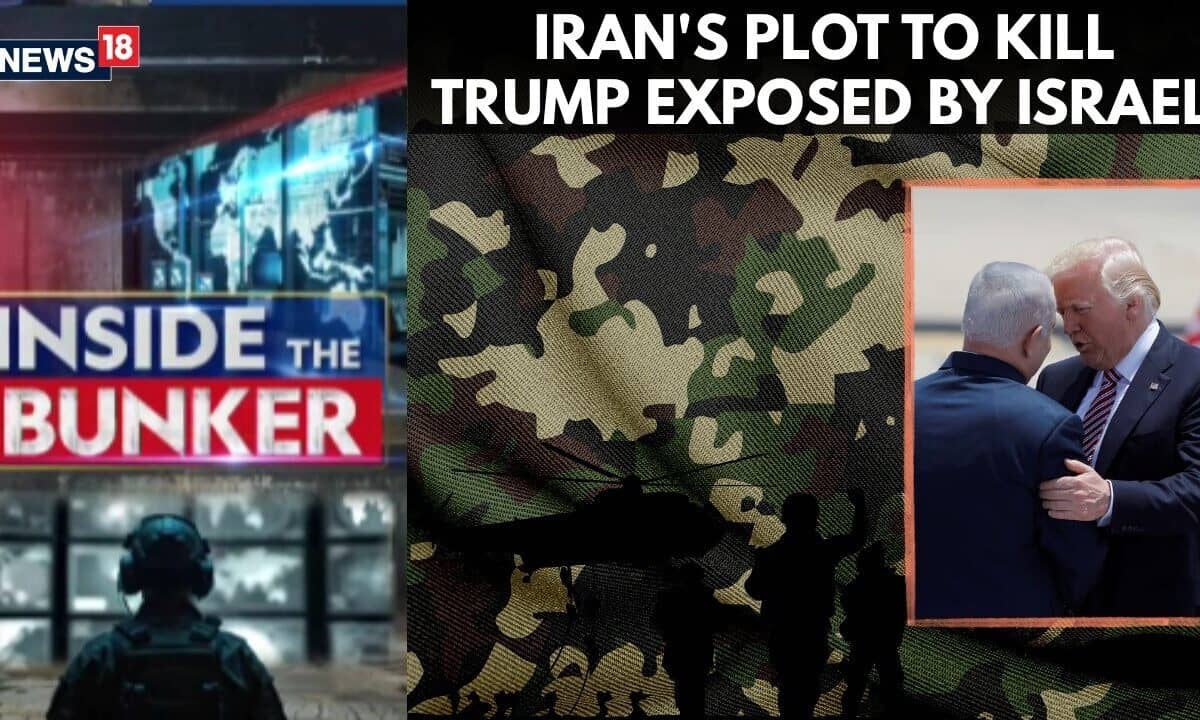

Reports of Shared Intelligence Emerge Amid Regional Volatility
Fresh reports have introduced a critical new dimension to the already strained relationship between the United States, Israel, and Iran. According to a detailed account by The Wall Street Journal, Israel has reportedly shared new intelligence with the United States concerning an alleged plot to assassinate former US President Donald Trump. This significant disclosure, if substantiated, would mark a serious escalation in the shadow conflict that often characterizes the region.
The report explicitly states that the specific contents of this sensitive intelligence have not been publicly confirmed by either nation. Furthermore, any official assessment by US authorities regarding the validity, credibility, or severity of these claims remains unverified. This lack of public confirmation underscores the delicate nature of the information and the potential for diplomatic ramifications, as governments typically exercise extreme caution before publicly acknowledging or acting upon uncorroborated intelligence, especially concerning high-profile figures.
Escalating Tensions Between Key Regional Players
This intelligence sharing occurs amidst a period of heightened regional tensions. The Middle East has long been a complex arena where the strategic interests of the US, Israel, and Iran frequently clash, leading to periodic escalations and diplomatic friction. Concerns over security and stability have been consistently renewed as diplomatic and military postures between the involved nations shift. The reporting suggests that this intelligence exchange is not an isolated incident but rather part of a broader, ongoing effort among allies to address potential threats within the intricate geopolitical landscape of the region, particularly those emanating from state or non-state actors perceived as hostile.
The backdrop to these discussions includes a history of mutual accusations, proxy conflicts, and significant geopolitical maneuvering. For the United States, safeguarding its former leaders is a paramount concern, making any alleged threat of this nature a matter of urgent national security interest. The involvement of Israel in providing this intelligence highlights the deep intelligence cooperation between the two allies, especially concerning threats perceived from Iran and its proxies, and underscores the shared security concerns that often drive such collaborative efforts.
Expert Assessments Diverge on Threat Validity and Response
In response to these compelling reports, various media outlets, including CNN-News18, have initiated discussions to examine the reported intelligence alongside the broader geopolitical context. These discussions have brought to light a clear divergence of views among military and security experts regarding both the credibility and the potential implications of the alleged plot, reflecting the inherent complexities of intelligence analysis.
Arguments for Taking Such Threats with Utmost Seriousness
One perspective, articulated by Lt Gen D.P. Pandey (Retd.), emphasizes the imperative for the United States to treat such threats with the highest degree of seriousness. His assessment suggests that the potential risk to a former President of the United States, regardless of current political standing, warrants immediate, robust, and comprehensive attention from all US security apparatuses. This viewpoint stresses the critical importance of treating intelligence reports, particularly those concerning high-profile political figures, with high priority. The argument posits that even unconfirmed intelligence must trigger a thorough investigative process and heightened security protocols, given the catastrophic potential consequences of a successful assassination attempt on a former head of state. Such an event could destabilize international relations, erode public trust, and set dangerous precedents, necessitating a proactive and vigilant stance.
Calls for Prudence and Corroborating Evidence
Conversely, military analyst Tom Cooper urged a more cautious approach regarding the reported claims. Cooper stated unequivocally that he is not prepared to accept the reports as fact without further, verifiable evidence. His position highlights the crucial need for corroborating data and independent verification before drawing definitive conclusions about the existence, specifics, or perpetrators of an alleged assassination plot. This perspective underscores the inherent dangers of acting on unverified intelligence, which could potentially lead to misinformed policy decisions, diplomatic missteps, or the unnecessary escalation of tensions. It also cautions against the potential for misinformation or strategically leaked, unverified intelligence to manipulate public discourse and influence geopolitical strategies, emphasizing the importance of a rigorous vetting process for all incoming intelligence to prevent unintended consequences.
Geopolitical Dynamics Influenced by Unconfirmed Reports
The report by The Wall Street Journal situates this intelligence sharing within an already volatile framework of heightened regional tensions. The relationship between the United States, Israel, and Iran has been characterized by a complex interplay of periodic escalations, diplomatic friction, and proxy confrontations. In this sensitive environment, any new information regarding alleged threats to high-profile political figures, even if unconfirmed, possesses the capacity to significantly intensify these existing dynamics and reshape strategic calculations among key regional and international actors.
While the specific contents of the intelligence remain undisclosed to the public, the mere existence of such reports contributes significantly to an atmosphere of uncertainty and heightened vigilance across the Middle East. This uncertainty can influence decision-making processes in capitals from Washington to Jerusalem and Tehran, affecting everything from military readiness to diplomatic overtures and intelligence resource allocation. The differing expert opinions on the validity and implications of the intelligence reflect the broader, perennial challenge faced by policymakers: how to effectively balance the crucial need for vigilance against potential threats with the equally vital requirement for verified, actionable information before committing to decisive action or public statements that could have far-reaching implications.
The persistent lack of public confirmation from official US sources leaves the precise status and credibility of the alleged plot in question. Without further details, corroborating evidence, or official statements, the report remains primarily a subject of intense analysis and debate among intelligence communities and geopolitical experts, rather than a confirmed security incident demanding immediate public action. The situation continues to evolve, with various stakeholders closely monitoring developments in the region and meticulously assessing the reliability and implications of incoming intelligence in a landscape where information itself can be a powerful tool of influence and a catalyst for strategic shifts.