

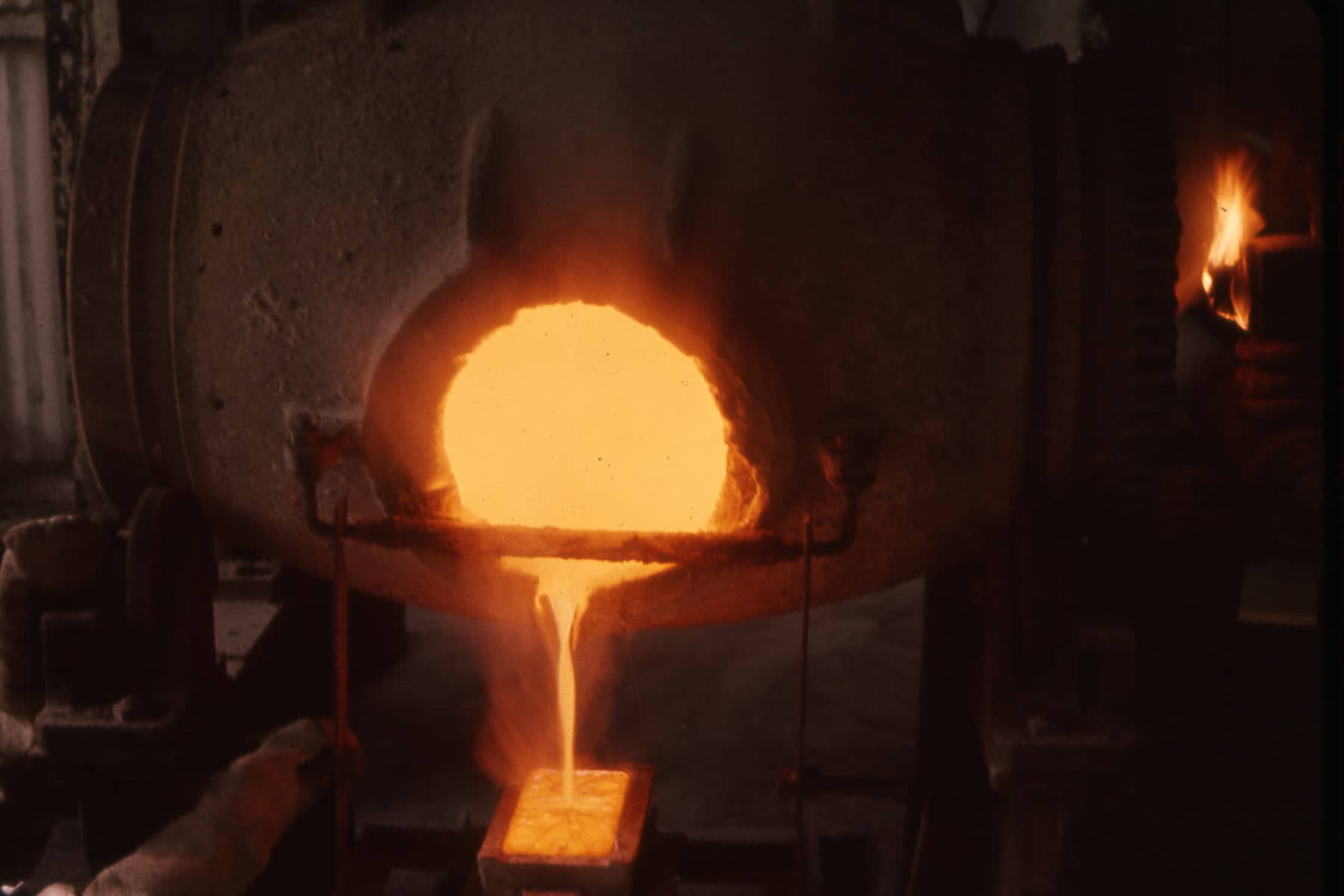

Washington Targets Ortega Family and Gold Sector in New Sanctions
The United States Treasury Department announced sweeping new sanctions on Thursday, April 16, 2026, targeting fourteen entities and individuals linked to the Nicaraguan government. The measures, implemented under Executive Order 13851 as amended by Executive Order 14088, specifically focus on the country's gold mining industry, which US officials allege is being exploited to fund political control.
Among the most significant designations are Maurice Facundo Ortega Murillo and Daniel Edmundo Ortega Murillo, the sons of Nicaraguan co-presidents Daniel Ortega and Rosario Murillo. Their inclusion marks a direct escalation in financial pressure against the ruling family's inner circle.
The sanctions also name Santiago Hernan Bermudez Tapia, the vice minister of energy and mines, alongside several corporate figures and lawyers involved in the sector. These include Feiwu Bian and Anibal Vladimir Matus Buitrago of Zhong Fu Development, Nelson Francisco Sobalvarro representing COMINTSA, and lawyer Lester Matus Tamariz.
Treasury Secretary Scott Bessent framed the action as a defense of property rights, stating that the United States will not allow the illicit confiscation of American-owned assets. The administration argues that the Ortega and Murillo administration uses the gold sector to raise money and maintain political control, citing the forced takeover of a plant owned by BHMB Mining Nicaragua as a primary example of this pattern.
Specific Companies and Individuals Under Fire
The seven sanctioned companies include Exportadora de Metales (EMSA), Grupo Minero Xiloa, Thomas Metal, Brother Metal, Zhong Fu Development, Santa Rita Mining Company, and Nicaragua Xinxin Linze Mineria Group. These entities are accused of facilitating the illicit activities that the US government claims support the current Nicaraguan regime.
The designation of these specific firms targets key players in the supply chain, from extraction to export. By naming both local companies and foreign partners like Zhong Fu Development, Washington aims to disrupt the international networks that allow sanctioned gold to enter global markets.
Financial Impact and Export Data
The economic context of these sanctions is highlighted by recent trade data. Nicaragua exported US$898.7 million in gold in early 2026, a sharp increase from US$356.5 million previously. Treasury officials noted that Xinxin shipped more than US$25 million of gold to the United States in early to mid-2025, suggesting that despite previous warnings, significant volumes of metal were still moving through US financial channels.
The new sanctions impose strict requirements on US persons, who must freeze the property of the 14 targets and any firms they own 50% or more. Civil penalties will be applied on a strict-liability basis, and criminal penalties are possible for violations. This legal framework is designed to leave little room for ambiguity regarding compliance.
Internationally, non-US banks that knowingly facilitate significant deals for the sanctioned targets risk losing access to US correspondent accounts. This secondary sanction mechanism is intended to deter global financial institutions from doing business with the designated Nicaraguan entities.
Broader Implications for Nicaragua
The timing of these sanctions comes amid ongoing political tension in Nicaragua. The designation of the presidents' sons signals that the US administration views the family's personal wealth as directly tied to state corruption.
While the Treasury has taken this significant step, OFAC listed no newer US action on Nicaragua as of Monday, November 2, 2026, indicating that this April announcement remains the primary recent instrument of financial pressure. The move underscores the US commitment to using economic tools to challenge the Nicaraguan government's control over its natural resources.