

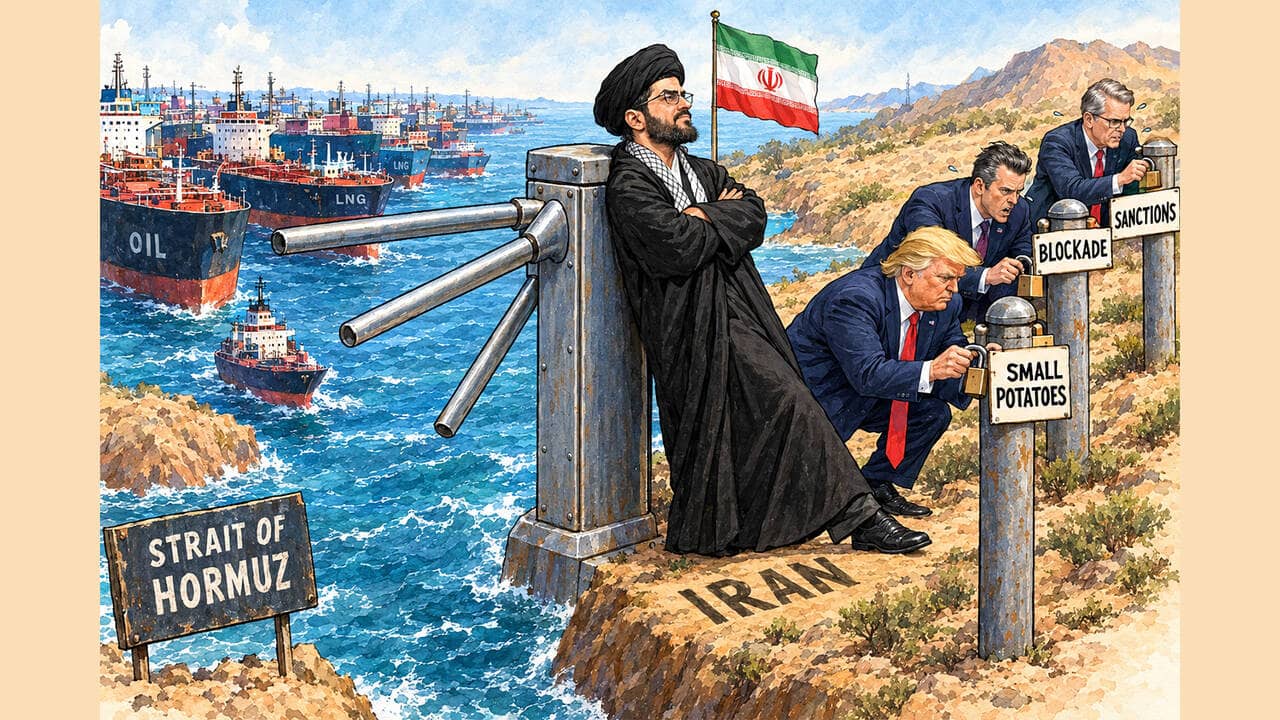

The Architecture of a Permanent Standoff
The relationship between the United States and Iran is currently defined by what has been described as a "Forever War." This characterization highlights a persistent state of tension that has resisted resolution for an extended period. According to available reporting, the current logjam in diplomatic relations is not solely the result of external geopolitical pressures but is deeply rooted in the internal political structures of both nations.
Rouzbeh Parsi, a contributor to The Times of India, outlined the dynamics sustaining this prolonged conflict in an article published on September 6, 2026. Parsi attributed the endurance of the US-Iran logjam to a combination of geopolitical factors and significant internal divisions within Washington. The analysis suggests that these domestic fractures play a more substantial role in perpetuating the stalemate than comparable divisions within Tehran, although those exist as well.
The term "Forever War" implies a conflict that has lost its original parameters or strategic clarity, becoming an end in itself rather than a means to a specific diplomatic or security goal. In this context, the war is not necessarily defined by continuous kinetic engagement on a battlefield, but by a frozen diplomatic and strategic posture that prevents either side from achieving a definitive victory or a negotiated peace.
Shared Desire for Resolution Blocked by Domestic Politics
Despite the entrenched nature of the conflict, reports indicate that both the United States government and the Iranian leadership share a desire to end the current situation. The persistence of the logjam is therefore not due to a mutual preference for perpetual hostility, but rather an inability to navigate the political hurdles required to reach a compromise.
In Washington, domestic political dynamics create significant barriers to diplomatic engagement with Tehran. These internal divisions often manifest as partisan disagreements or institutional checks that limit the executive branch's ability to make concessions or negotiate deals without facing substantial opposition. The political cost of reaching an agreement is perceived to be higher than the cost of maintaining the status quo for key political actors in the United States.
Similarly, in Tehran, internal political factions and power structures hinder the necessary compromises. While these domestic dynamics are described as a lesser factor compared to those in the United States, they remain a critical component of the impasse. The Iranian government faces its own set of internal constraints that prevent it from offering the concessions that might be required to de-escalate tensions or formalize a new diplomatic framework.
The Interplay of Geopolitics and Internal Divisions
The logjam is characterized by the intersection of external geopolitical realities and internal political survival strategies. For leaders in both capitals, the domestic political environment often rewards hardline stances over diplomatic flexibility. This dynamic creates a situation where even if policymakers on both sides wish to resolve the conflict, the political infrastructure required to support such a move does not exist or is actively hostile to it.
The attribution of the logjam to these dual causes suggests that any future resolution will require more than just changes in foreign policy strategy. It will necessitate shifts in the domestic political calculus of both nations. Until the internal divisions in Washington and Tehran are addressed or overcome, the geopolitical factors sustaining the "Forever War" are likely to remain dominant.
Implications for Regional Stability
The continuation of this standoff has broader implications for regional stability, though the primary focus of the analysis remains on the bilateral relationship. The inability of the United States and Iran to reach a compromise keeps the region in a state of uncertainty. This uncertainty allows for continued proxy engagements and strategic maneuvering that further entrench the divisions.
The description of the situation as a logjam emphasizes its static nature. Unlike a dynamic conflict that evolves through active engagement, a logjam suggests a blockage that prevents forward movement. The fact that both parties want an exit from this logjam but cannot find one due to domestic constraints highlights the complexity of international diplomacy when it is heavily influenced by internal political pressures.
As noted in the source material, the domestic dynamics in the United States are the primary driver of the inability to compromise, with Iranian domestic politics playing a secondary role. This asymmetry in the sources of obstruction may influence how any future negotiations are structured, potentially requiring external guarantees or phased approaches that allow leaders in both countries to manage their domestic political risks while engaging in diplomatic progress.
The current state of affairs remains defined by this paradox: the desire for resolution exists on both sides, but the political mechanisms to achieve it are blocked by internal divisions. This creates a sustainable equilibrium of tension, where neither side can win decisively, nor can they agree to end the conflict without addressing their respective domestic political challenges.