


Rubio’s Visit to the World’s Largest Single-Site Refinery
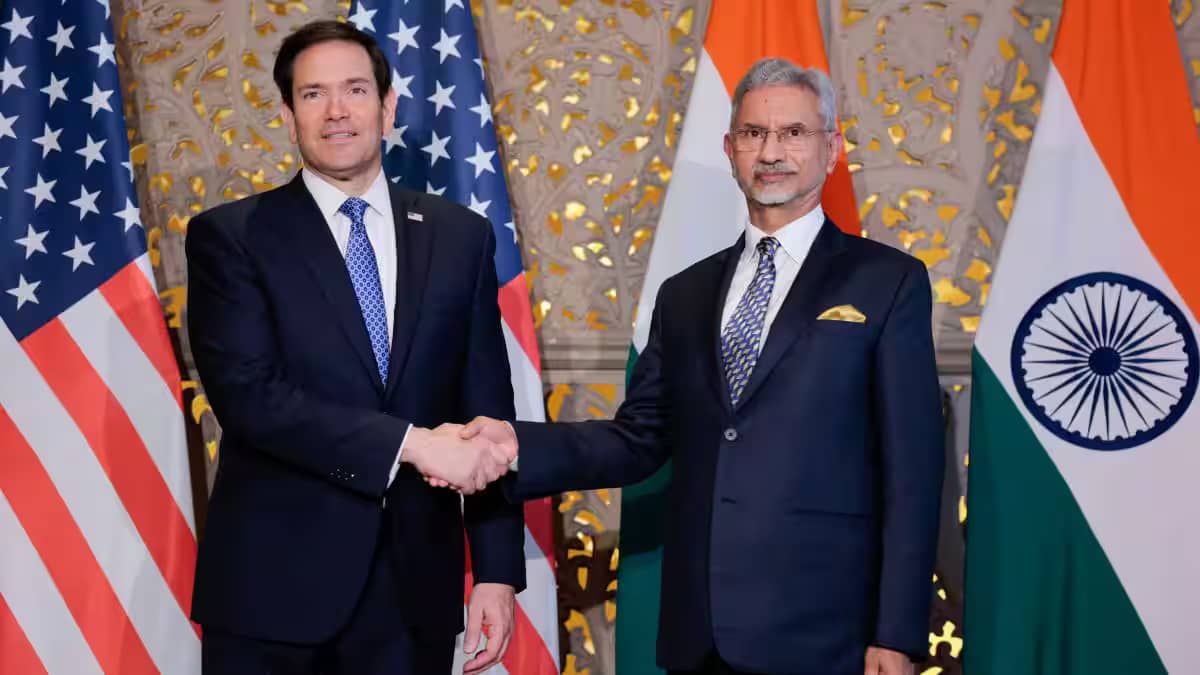
US Secretary of State Marco Rubio visited the Jamnagar refinery complex in Gujarat, a move that underscores India's growing significance in global petroleum refining and fuel supply chains. The visit was reported by Reuters and covered by Firstpost, marking a high-level diplomatic engagement with one of the world’s most critical energy infrastructure sites.
Reliance Industries’ integrated complex at Jamnagar holds the distinction of being the world’s largest single-site refining facility, with a processing capacity of approximately 1.4 million barrels per day. The facility is equipped with sophisticated processing units designed to handle heavy, sulphur-rich crude grades that many other refineries cannot efficiently convert.
The visit highlights the technical capabilities of Indian refining infrastructure, which serves as a key node in international energy logistics. While India continues to import the overwhelming majority of its crude oil—maintaining a position as a vulnerable consumer in international energy politics—the Jamnagar facility’s output plays a substantial role in global fuel availability.
Strategic Interests and Venezuelan Crude Processing
During the visit, Rubio publicly expressed interest in Reliance processing more Venezuelan oil. He raised the possibility of renewed US involvement in Venezuelan production, signaling a potential shift in energy diplomacy toward leveraging Indian refining capacity for geopolitical objectives.
Venezuela possesses enormous oil reserves, including substantial volumes of heavy crude that require specialized refining capabilities similar to those found at Jamnagar. The interest in processing Venezuelan crude aligns with broader US strategies to influence Russian oil revenues and manage the economic consequences of expensive fuel, particularly rising diesel prices which are sensitive ahead of American midterm elections.
Washington’s interest in Jamnagar is driven by unsettled energy markets caused by the continuing war involving Iran and the exposure of Gulf supply route vulnerabilities. The US seeks to utilize India’s refining power to mitigate these geopolitical risks while managing domestic fuel costs.
Constraints on Refining Influence
Despite the strategic interest, the ability of any single refinery or nation to influence global markets is subject to strict operational and political constraints. Refining facility output is constrained by operating limits, price, freight costs, technical suitability, contractual obligations, and sanctions compliance.
India’s ability to influence global fuel availability does not amount to control over international oil prices, which are determined by broader production and demand dynamics. The Jamnagar advantage lies in its capacity to process difficult crude grades, but this technical edge operates within the wider framework of global energy economics and international sanctions regimes.
The visit to Jamnagar is viewed by analysts as the beginning of a larger Indian geo-economic opportunity rather than a one-off diplomatic event. It reflects a reorientation in how major powers are engaging with India’s industrial infrastructure to address contemporary energy security challenges.