


Non-Member Participation in Houston Energy Talks
Venezuela is attending the G20 energy ministerial meeting taking place in Houston, Texas, despite not being a member of the group. This participation, spanning from September 14 through September 16, has drawn considerable attention. The South American nation's presence is particularly notable as it occurs just weeks after Washington finalized a significant 100-year deal covering 17 Venezuelan oil fields. The summit serves as a crucial gathering point, bringing together high-level delegations from the world's major global economies and significant oil-producing nations.
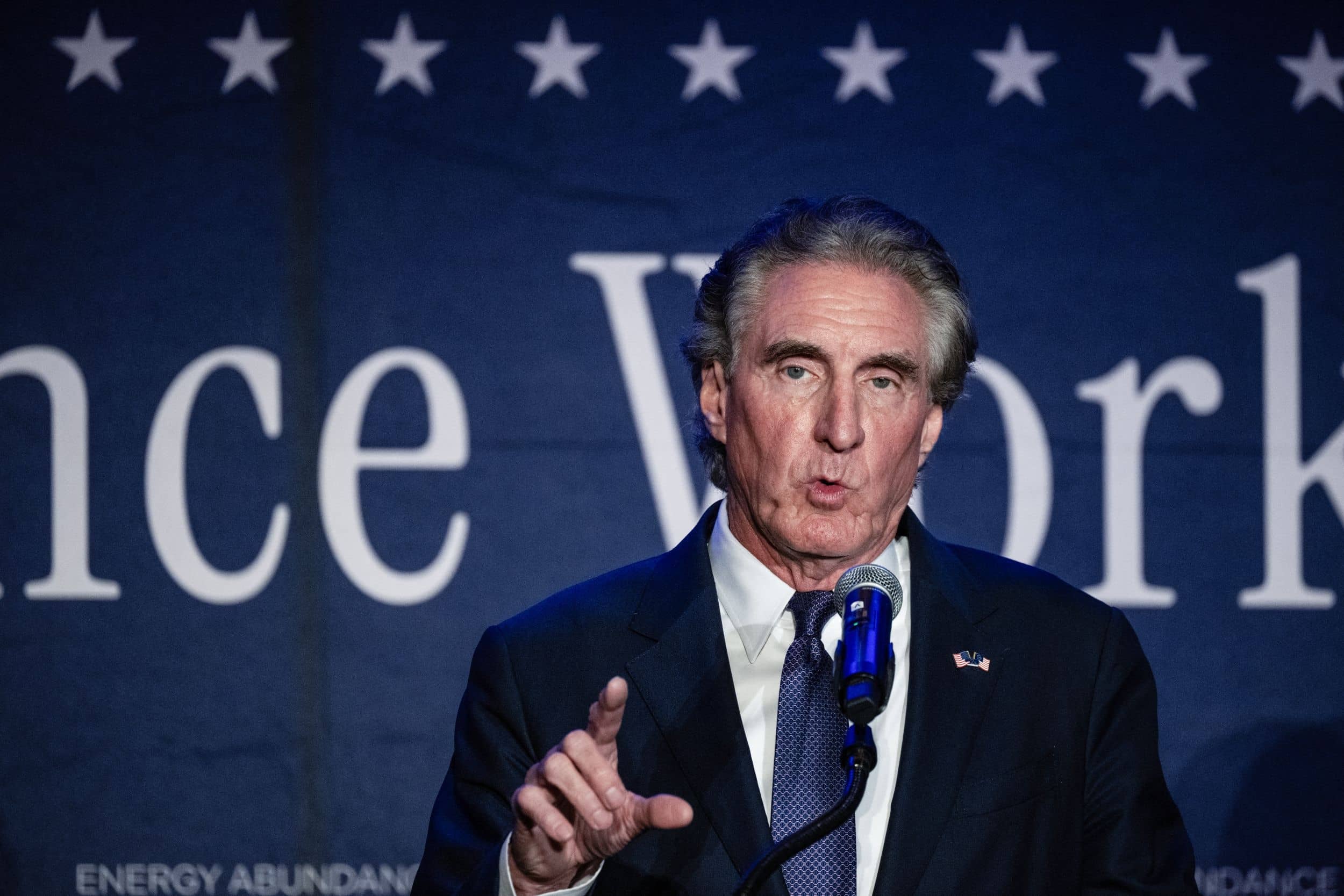
The roster of attendees includes representatives from economic powerhouses such as China, India, Japan, and Germany, underscoring the broad international scope of the discussions. Additionally, major oil producers like Canada and Saudi Arabia are participating, highlighting the summit's focus on global energy supply and stability. Venezuela's unexpected inclusion in these talks signals a potential shift in diplomatic engagement regarding energy resources, a development occurring in the same week that U.S. Secretary of the Interior Doug Burgum delivered remarks during a press conference in Houston, further emphasizing the strategic importance of the event.
Venezuela's Diplomatic Re-engagement
The decision to invite Venezuela, a nation not typically part of the G20's inner circle, reflects a pragmatic approach to addressing current global energy challenges. Its participation provides a platform for direct engagement on energy policy, potentially paving the way for renewed international cooperation in the oil sector. The timing, so soon after the landmark 100-year oil deal with the United States, suggests a calculated move to integrate Venezuela more closely into global energy dialogues, moving beyond previous periods of strained relations and sanctions. This re-engagement highlights a strategic imperative to diversify global energy sources and stabilize markets amidst ongoing geopolitical uncertainties.
Recent Diplomatic and Economic Developments
The invitation for Venezuela to join the ministerial comes on the heels of the United States finalizing a substantial agreement concerning 17 of its oil fields. This long-term commitment, spanning a century, represents a significant investment in Venezuela's energy infrastructure and potentially its future role in global oil supply. This diplomatic overture coincides with a period of pronounced volatility in global fuel markets, where energy security has become a paramount concern for many nations.
Amidst these high-stakes discussions, the economic backdrop is marked by soaring fuel costs. According to data compiled by AAA, diesel prices in the United States reached a fresh all-time high of $6.27 a gallon on September 15. This figure represents a sharp and rapid increase from approximately $5.90 per gallon recorded just one week earlier, illustrating the immediate pressures facing consumers and industries. Market analysts have attributed this surge in fuel costs, in part, to significant disruptions in Middle East shipping routes, which have severely tightened global fuel supplies and exacerbated price pressures. The precise timing of Venezuela's attendance at the Houston summit has therefore fueled considerable speculation regarding the underlying motivations behind its inclusion in a forum traditionally reserved for established member states and key allies, suggesting a strategic imperative to stabilize energy markets.
International Reactions and Attendees
In addition to Venezuelan representatives, a Russian delegation is also present in Houston for the energy talks. The attendance of Russian officials has notably caused concern among some of Washington's European allies. These allies continue to advocate for and implement policies that may conflict with the collaborative nature of the current summit, particularly given ongoing geopolitical tensions and the broader international response to recent conflicts. Their apprehension highlights the delicate balance the United States is attempting to strike between geopolitical alliances and immediate energy security needs.
The simultaneous presence of both Venezuela and Russia at a U.S.-hosted G20 event underscores the profoundly complex diplomatic landscape surrounding international energy policy. While the United States hosts the meeting in an oil-rich state like Texas, the inclusion of nations that have historically been subject to international scrutiny or sanctions adds multiple layers of complexity to the negotiations. It suggests a strategic pivot towards prioritizing global energy stability and supply diversification, even if it means engaging with countries with whom relations have previously been contentious.
Market Implications and Summit Objectives
The G20 energy ministerial aims to address critical issues related to energy abundance and market stability, especially in light of current global economic pressures. With U.S. diesel prices reaching record levels, the discussions are unequivocally focused on enhancing supply chain resilience and bolstering global production capabilities. The involvement of major established producers like Saudi Arabia and Canada, alongside emerging participants such as Venezuela, suggests a comprehensive and pragmatic approach to managing global energy demands and mitigating future price shocks.
Observers note that the 100-year deal signed by Washington with Venezuela signals a long-term commitment to developing specific oil fields within the country. This agreement is not merely transactional; it may significantly influence how Venezuela is perceived in future international energy negotiations, potentially repositioning it as a more reliable and integrated player in the global oil market. The summit thus provides an invaluable platform for these diverse nations to discuss coordinated production strategies, explore new avenues for market access, and collectively work towards greater energy security in a structured and high-level setting.
Broader Geopolitical Context of the Summit
The Houston meeting serves as a pivotal focal point for international energy policy coordination, bringing together key global stakeholders. Delegates from major economies including China, India, Japan, and Germany are expected to engage in extensive bilateral and multilateral discussions specifically regarding energy security and the stability of global supply chains. The inclusion of Venezuela, despite its non-member status and past political challenges, reflects a pragmatic and results-oriented approach to securing vital supply chains, even amidst existing political disagreements and ideological differences.
The concerns voiced by European allies regarding the Russian delegation underscore the divided and often conflicting nature of international responses to current energy crises. While some nations, including the U.S. in this context, appear to prioritize immediate market stability through inclusive dialogue and diversification of supply, others maintain stricter diplomatic boundaries and prioritize sanctions regimes. The outcomes of these high-level talks are therefore anticipated to have a significant and lasting impact on global fuel prices, international energy policy frameworks, and the broader geopolitical dynamics in the coming months and years.