


Implementation Timeline and Eligibility Criteria
Virginia’s "Clean Slate" law is scheduled to take effect on July 1, marking a significant shift in how the state handles past criminal convictions. The legislation allows individuals convicted of certain misdemeanors and lower-level felonies to petition for the sealing of their criminal records. Among the offenses covered under this provision is grand larceny.
To qualify for record sealing under the new statute, applicants must meet a strict eligibility requirement: they must have gone 10 years without any subsequent convictions. This waiting period applies regardless of the nature of the original offense, provided it falls within the categories specified by the law. The intent of the legislation is to provide a pathway for individuals who have maintained a clean record for a decade to have their past legal issues removed from public view.
The law targets specific tiers of criminal history. It does not apply to all offenses but focuses on misdemeanors and lower-level felonies. This distinction is central to the law's structure, aiming to balance public safety concerns with the opportunities for rehabilitation and reintegration offered by record sealing.
Court System Preparedness Concerns
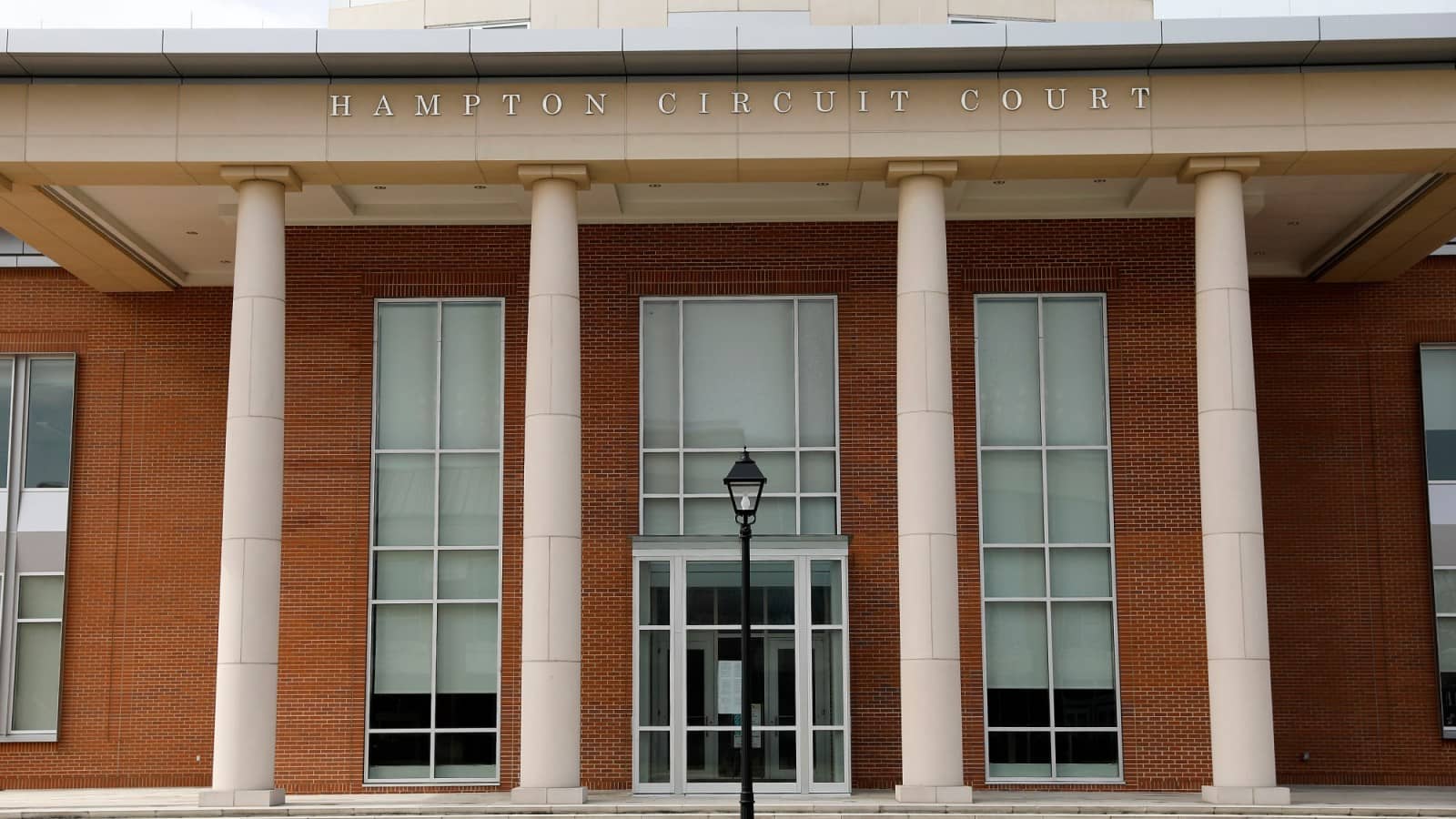
As the July 1 effective date approaches, attention has turned to the operational capacity of the state's judicial system. There are questions regarding the readiness of the courts to implement the law effectively and handle the potential volume of applications.
Administrative and Logistical Challenges
The implementation of a new legal framework requires significant administrative adjustments. Courts must establish procedures for receiving, reviewing, and ruling on petitions for record sealing. The 10-year waiting period requirement necessitates rigorous verification processes to ensure applicants meet the eligibility criteria before any records are sealed.
Observers and legal experts have raised concerns about whether the current infrastructure of the courts is prepared for this task. The transition from a system where such records remain public to one where they can be sealed requires updated software, trained personnel, and clear guidelines for judicial officers. Without adequate preparation, there is a risk of delays in processing petitions or inconsistent application of the law across different jurisdictions.
The question of readiness extends beyond mere paperwork. It involves the coordination between various state agencies that maintain criminal records. Ensuring that once a court orders a record sealed, all relevant databases are updated simultaneously is a complex logistical challenge. Any lag in this process could undermine the practical benefits of the law for petitioners.
Impact on Individuals with Past Convictions
For those eligible, the law offers a concrete mechanism to address the long-term consequences of past convictions. A criminal record can affect employment opportunities, housing applications, and professional licensing. By allowing these records to be sealed, the law aims to reduce these barriers for individuals who have demonstrated rehabilitation over a decade.
Grand larceny, as one of the eligible offenses, represents a common type of lower-level felony that may not reflect the current character or stability of an individual after ten years. The law provides a legal avenue for these individuals to move forward without the perpetual stigma of a public criminal record.
The effectiveness of the law will depend largely on how smoothly the courts can process petitions. If the system is overwhelmed, applicants may face long waits before their records are sealed, delaying the benefits they seek. Conversely, if the courts are well-prepared, the law could quickly provide relief to thousands of Virginians who have lived crime-free for ten years.
Next Steps in the Transition
The period leading up to July 1 is critical for final preparations. State officials and court administrators must ensure that all necessary protocols are in place. This includes training judges and clerks on the specific requirements of the Clean Slate law and ensuring that technological systems can handle the new procedures.
Public awareness is also a key component of the transition. Eligible individuals must be informed about their rights and the process for petitioning for record sealing. Without adequate outreach, many who qualify may remain unaware of the opportunity to clear their records.
As the date nears, the focus remains on whether the judiciary can meet the demands of the new law. The success of Virginia’s Clean Slate initiative will be measured not just by its passage, but by its practical implementation in the months following July 1.