


US Indicts Maduro and Flores Under Rare Torture Statute
A federal grand jury has expanded the legal case against former Venezuelan President Nicolás Maduro and his wife, Cilia Flores, by adding a conspiracy to commit torture count. The charge relies on a 1994 federal law that criminalizes acts of torture committed outside the United States by or against US nationals.
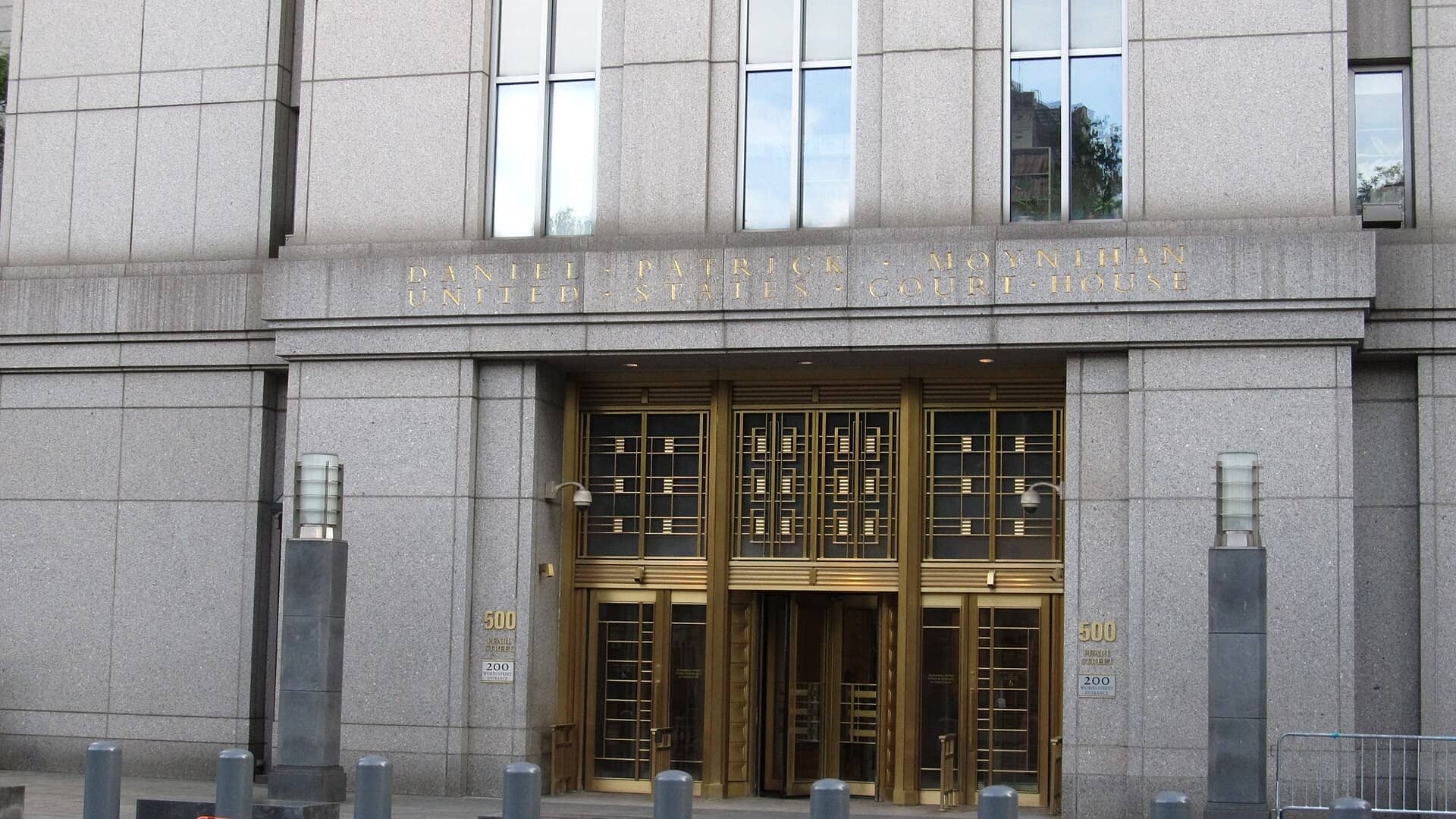
The superseding indictment was unsealed on October 8, 2026, bringing new allegations of severe human rights abuses to the forefront of the prosecution's case. Both defendants appeared in court and pleaded not guilty to the charges on October 15, 2026, before Judge Alvin Hellerstein.
The addition of the torture count significantly raises the stakes of the proceedings. Under 18 U.S.C. §2340A, the conspiracy to commit torture charge carries a maximum penalty of 20 years in prison. This legal framework allows US prosecutors to pursue charges for extraterritorial crimes that would otherwise fall under the jurisdiction of foreign courts.
Allegations Detail Systematic Abuse and Specific Methods
Prosecutors allege that Maduro actively participated in the design and execution of a repressive apparatus within Venezuela. According to the indictment, Maduro recommended specific torture methods to subordinates and received regular reports on the status of detainees held by state security forces.
The indictment outlines a pattern of brutality that includes beatings, asphyxiation, electric shocks, and sexual violence. In one particularly egregious incident described in the charges, officers struck a detainee with a machete and sprayed him with chemical irritant. Prosecutors also allege that Maduro threatened to kill the child of a prisoner.
Cilia Flores is accused of helping to develop this repressive structure and ordering acts of torture. The military counterintelligence agency of Venezuela, known as DGCIM, is named in the indictment as one of the bodies involved in carrying out these alleged abuses.
Immunity Defense and Legal Precedent
The defense team for Maduro and Flores has moved to dismiss the case on the grounds of sovereign immunity. Their lawyers argue that the defendants cannot be tried because they were leaders of a foreign state at the time the alleged crimes occurred. The defense is currently revising its immunity motions, seeking to block the prosecution from proceeding.
Despite these legal hurdles, legal observers have noted the historic nature of the charges. Michel Paradis, a lawyer involved in the case, described the prosecution as a landmark event. He characterized it as the first US prosecution of a sitting head of state for allegedly authorizing torture.
Custody and Trial Timeline
The defendants are currently in US custody following a military operation conducted by the United States in Caracas in January. This operation resulted in their capture, bringing them to face charges in a New York federal court.
Reports indicate that American citizens were among the alleged victims of the torture conspiracy. Associated Press and NBC News have reported that the number of US nationals involved in the allegations is three.
The trial is scheduled to begin in June 2027. The proceedings will test the application of international human rights laws against former heads of state who remain in power or have recently held office, setting a potential precedent for future extraterritorial prosecutions.