

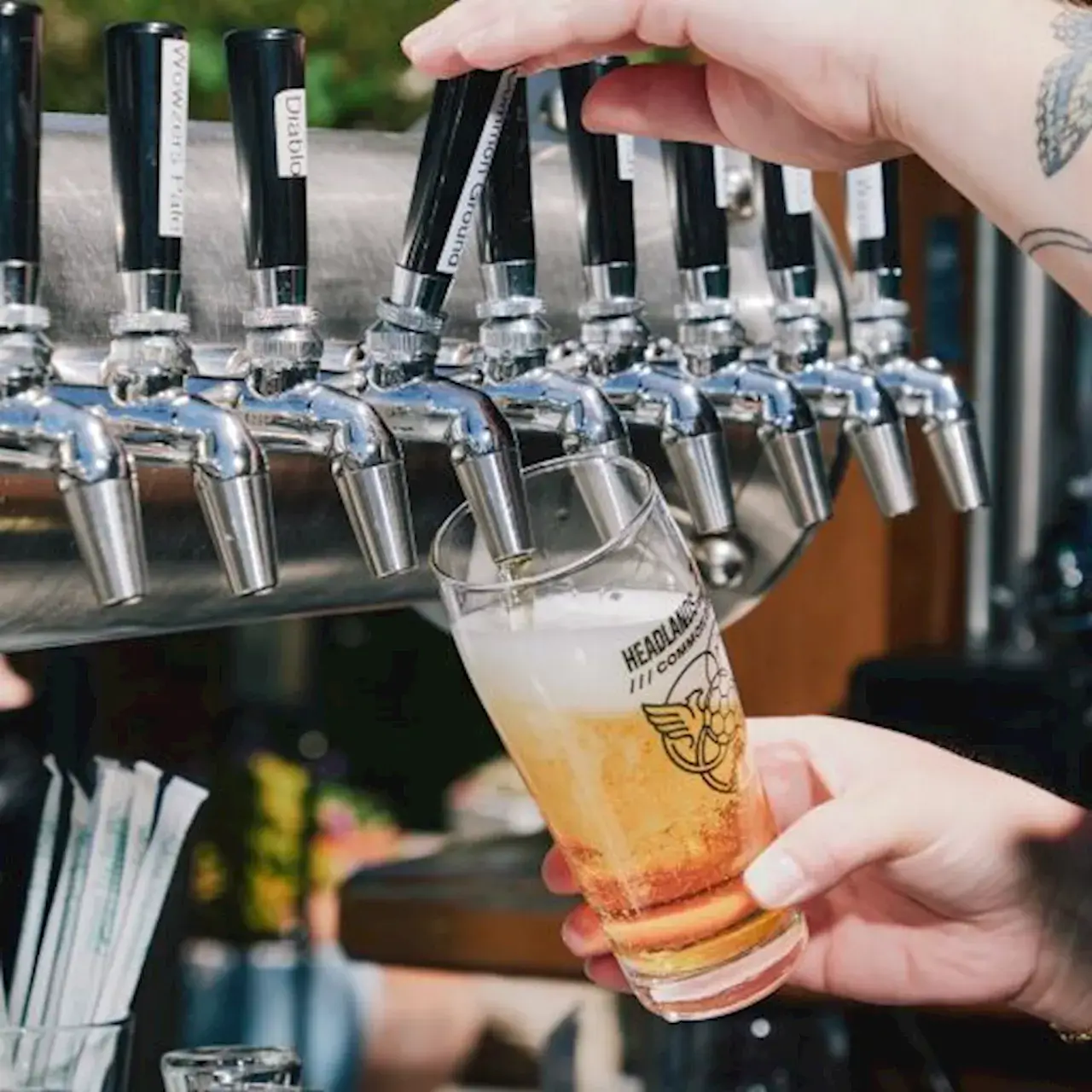

Brewing Solidarity Across Host Nations
A unique collaborative effort involving three distinct craft breweries, each representing one of the host nations of the upcoming World Cup, is aiming to foster unity and cross-border solidarity through a shared beverage. This ambitious project, which brings together producers from Mexico, the United States, and Canada, culminates in the creation of a dry-hopped Mexican lager aptly titled 'Common Ground'. This initiative strategically utilizes the immense global platform of the soccer tournament not for competition, but for promoting cooperation, directly contrasting with the intense rivalries inherent in the sporting event itself.
The collaboration is meticulously designed to highlight the deep-seated connections and shared cultural threads between the three North American nations, rather than focusing on their traditional status as rivals on the athletic field. While international soccer crowds are universally expected to focus heavily on goals, penalties, and national team performances during the tournament, the participating breweries are intentionally directing attention toward a different, more harmonious form of engagement: a celebration of solidarity among the host countries. By offering a tangible product of this cooperation, they aim to shift the narrative from one of contest to one of shared experience and mutual appreciation.
Crafting 'Common Ground': A Fusion of Brewing Traditions
The 'Common Ground' lager is precisely described as a dry-hopped Mexican lager, a style chosen to reflect the diverse influences of its creators. The intricate process of developing this specific beer required significant input and expertise from representatives of each country's brewing tradition, ensuring a harmonious blend of their distinct approaches and regional characteristics.
Contributions from Rey Árbol, Headlands, and Cabin
The foundational concept for 'Common Ground' originated from Mexico, with Alejandro Gomez, the founder of Rey Árbol brewery. Gomez identified the Mexican lager as the ideal base for the collaboration, recognizing its widespread appeal and its potential to serve as a neutral yet flavorful canvas. He drew a parallel between the perception of a Mexican lager as a staple in its region and how a West Coast IPA is typically viewed in other craft beer markets—as a defining and recognizable style.
From the United States, Ryan Frank, who serves as the chief operating officer and brewmaster for Headlands brewery, contributed his extensive expertise, particularly regarding West Coast IPAs. His input was crucial in defining how hop characteristics could be integrated into the lager without overpowering its traditional profile. Frank's understanding of American brewing standards and the nuances of hop utilization helped to shape the aromatic and flavor profile of 'Common Ground', ensuring it resonated with a broader palate while maintaining its core identity.
Canada's perspective was brought by Haydon Dewes, co-founder of Cabin brewery. Dewes noted that the majority of beers produced by Cabin are distinctly hop-driven, a characteristic that strongly influenced the collaborative brew. This emphasis on hops directly informed the decision to dry-hop the Mexican lager. Dry-hopping, a technique where hops are added during fermentation or conditioning, imparts significant aroma and flavor without increasing bitterness. This technique effectively incorporated elements from all three national styles—the Mexican lager base, American hop expertise, and Canadian hop-driven preferences—into a single, cohesive product, embodying the spirit of 'Common Ground'.
Market Context and Fan Engagement During the World Cup
The release of 'Common Ground' is strategically timed to coincide with the significant consumption patterns anticipated during the World Cup, one of the most-watched sporting events globally. Reports indicate that soccer fans are expected to consume an astounding volume of beer, with projections suggesting more than 5 million pints will be poured in stadiums and designated fan zones throughout the event. This staggering figure does not even account for the additional, substantial volume of beer consumed in bars, restaurants, and homes as fans tune in to watch the matches from around the world.
By introducing a product that symbolically represents all three host nations, the collaborating breweries are positioning themselves uniquely within this massive and enthusiastic market. The initiative seeks to offer an alternative, unifying narrative to the standard tournament experience, which is typically dominated by intense national rivalries, competitive outcomes, and the singular pursuit of victory. 'Common Ground' aims to provide fans with a refreshing reminder of shared humanity and cooperation, even amidst the fervor of international competition, fostering a sense of collective celebration rather than just partisan support.
Origins of the Cross-Border Initiative
The collaboration emerged from a profound desire among the participating breweries to utilize the World Cup's unparalleled global visibility for a broader, more diplomatic purpose among the host nations. The breweries explicitly stated their intention to brew something described as "increasingly rare" during such high-stakes global events: genuine cross-border solidarity. In an era often marked by division, this project stands as a testament to the power of shared craft and common goals.
The project involves Rey Árbol from Mexico, Headlands from the United States, and Cabin from Canada, working in tandem. Each brewery not only brings its unique brewing expertise but also represents a distinct geographic and cultural brewing tradition within the vast North American landscape. The resulting 'Common Ground' beer serves as a tangible symbol of this unprecedented cooperation, with its very name reflecting the shared space, mutual respect, and collaborative spirit fostered between the three countries. According to the participating brewers, the thoughtful combination of a robust Mexican lager base, nuanced West Coast IPA influences, and sophisticated Canadian hop-driven techniques culminated in the final product, a brew that is both culturally rich and technically innovative. The initiative, while deeply symbolic, does not venture into explicit political statements beyond its overarching promotion of unity and shared experience through the beverage industry during a monumental sporting event.