

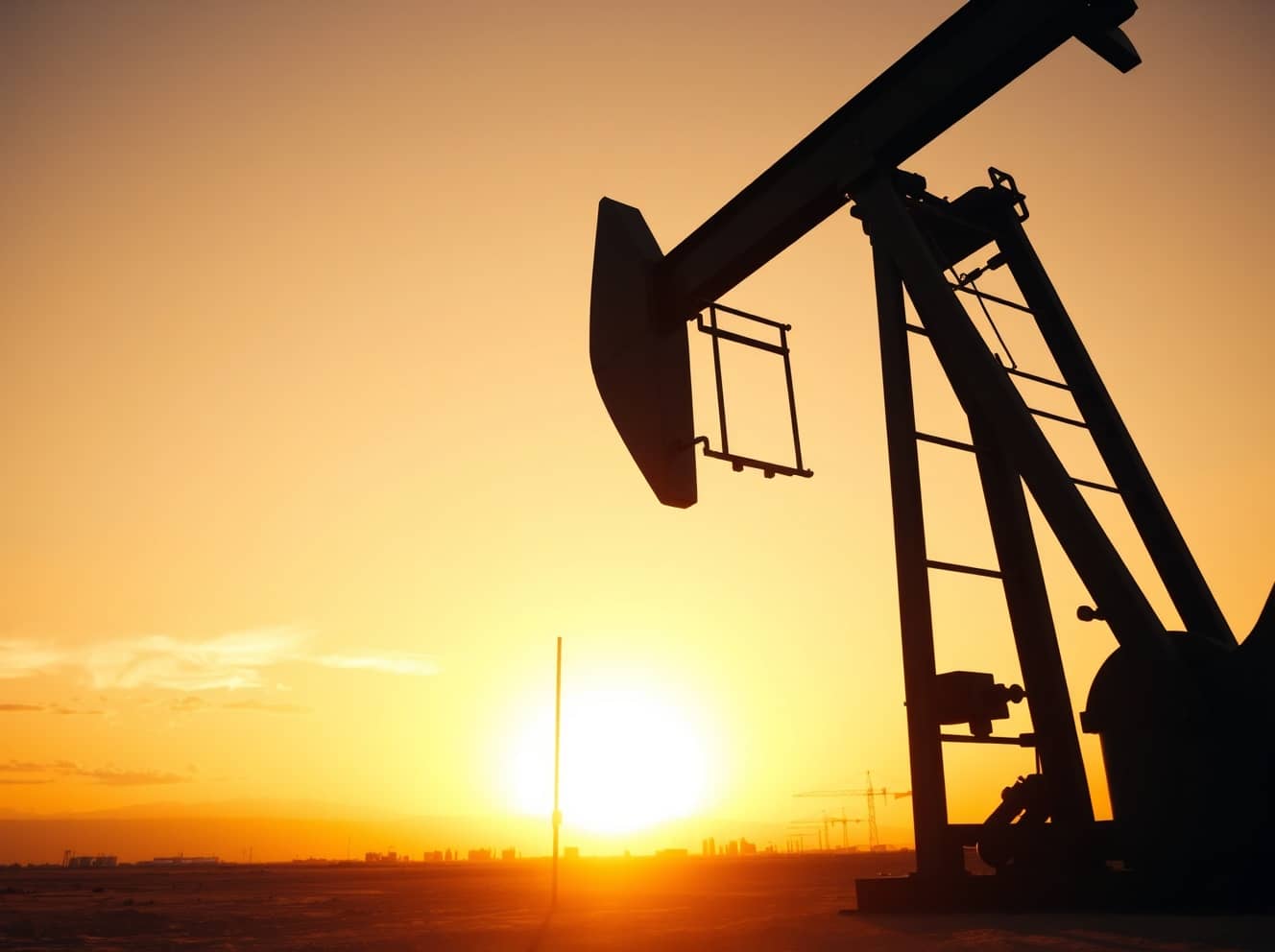

West Texas Intermediate (WTI) crude oil futures have been observed trading in proximity to the psychologically significant price mark of $80 per barrel. This specific valuation was recorded during early trading sessions on October 26, 2023. The movement toward this threshold is attributed primarily to market speculation concerning potential diplomatic initiatives between Washington and Tehran. This development introduces a new variable into the global oil supply dynamics, prompting a reassessment among traders regarding future price trajectories.
Diplomatic Speculation Reshapes Oil Market Outlook
The recent fluctuation in WTI futures prices reflects a growing volume of industry chatter regarding the possibility of peace talks resuming between the United States and Iran. Analysts suggest that such negotiations could fundamentally alter current geopolitical risk assessments related to energy production and distribution, particularly given Iran's historical role as a significant oil producer.
Traders are currently reassessing near-term price expectations based on this new variable entering the global supply equation. The introduction of potential diplomatic engagement between these two nations has created uncertainty regarding existing sanctions regimes, particularly those affecting Iranian oil exports. This speculation alone has proven sufficient to influence market sentiment, even without concrete policy changes.
The Impact of Potential Sanction Relief
One central factor influencing current market sentiment is the prospect of eased restrictions on Iranian petroleum products. If negotiations proceed as anticipated by some observers, relief for these specific export channels could introduce a new dynamic into an already tightly balanced global supply picture. The potential for a substantial volume of Iranian crude to re-enter the international market is a key factor being considered by traders, as it could significantly increase overall supply.
This development has prompted financial markets to adjust their models and forecasts accordingly. The mere possibility of policy shifts regarding sanctions is sufficient to move price action in the short term, even before any formal agreements are reached or implemented by regulatory bodies. Market participants are keenly aware that any relaxation of sanctions could lead to a measurable increase in crude oil availability, potentially easing upward price pressures.
Geopolitical Factors Influencing Energy Prices
The interplay between geopolitical events and commodity pricing remains a primary concern for global energy markets. Speculation regarding high-level diplomatic discussions often precedes tangible shifts in trade policy, which can have immediate effects on futures contracts traded globally. The long-standing tensions between the United States and Iran, and the subsequent sanctions on Iran's energy sector, have historically been a significant geopolitical factor influencing oil prices.
Market participants are closely monitoring developments that could signal a change in the status of US-Iran relations. Any credible report suggesting movement toward peace talks is treated as material news capable of influencing investor behavior and pricing mechanisms for crude oil benchmarks like WTI. The potential for a diplomatic breakthrough represents a significant shift from the previous status quo, where Iranian oil exports were largely constrained.
Tightness in Global Supply Conditions
The global supply environment has been described by traders as tightly balanced prior to the latest wave of speculation. This tightness has been exacerbated by various factors, including production cuts by major cartel members like OPEC+, geopolitical instability in other producing regions, and a steady recovery in global demand. In such conditions, even minor changes in expected flow volumes or export restrictions can cause significant price volatility.
Iranian oil exports represent a specific segment within this broader equation. The potential for sanctions relief on these shipments introduces complexity into supply forecasts that were previously based on static assumptions regarding current regulatory constraints. Should Iranian crude return to the market in greater volumes, it could alleviate some of the current supply tightness, impacting global benchmarks.
Industry Observers Weigh Market Implications
The financial community continues to weigh the implications of diplomatic speculation against other fundamental factors affecting oil prices. While geopolitical news often dominates headlines, traders must also consider inventory levels, global demand trends, and the ongoing impact of production cuts by major cartel members like OPEC+. These fundamental elements provide a baseline for pricing, which is then adjusted by geopolitical risk premiums and speculative sentiment.
Current market data suggests that price action is being driven largely by sentiment rather than immediate changes in physical supply or consumption figures. This distinction highlights the role of expectations management within modern energy markets, where the anticipation of future events can be as influential as current realities. The market is effectively pricing in a range of potential outcomes, from successful negotiations to their complete breakdown.
Risk Assessment for Investors
Institutional investors are incorporating geopolitical risk premiums into their valuation models when assessing WTI futures. The uncertainty surrounding potential diplomatic breakthroughs contributes to this premium, which can manifest as price movements away from fundamental valuations derived solely from supply and demand data. Investors face the challenge of evaluating the probability of talks succeeding, the extent of potential sanction relief, and the timeline for any such changes.
Market participants acknowledge that the timeline for any such negotiations remains unclear, and the path to a comprehensive agreement is likely complex. Consequently, pricing adjustments reflect a range of possible outcomes rather than a single confirmed scenario involving lifted sanctions or established peace frameworks between Washington and Tehran. The inherent unpredictability of international diplomacy adds a significant layer of risk and opportunity to the global oil market.