

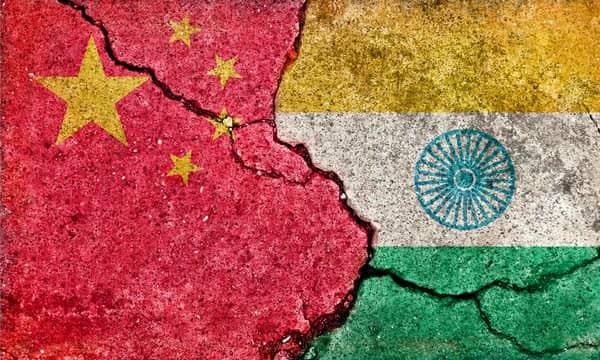

Historic Diplomatic Return to New Delhi
Chinese President Xi Jinping visited New Delhi in September 2026 for the BRICS summit, marking his first visit to India in seven years. The high-level diplomatic engagement has generated speculation regarding a potential thaw in India-China relations following years of strained ties.
The visit follows an agreement on patrolling rights in the Ladakh region reached in October 2024, as well as ongoing discussions regarding Indian economic openness to Chinese investments. These developments have led to expectations of improved bilateral relations, even as underlying structural challenges persist between the two Asian powers.
Structural Divergences and Military Imbalance
Despite signs of diplomatic thawing, structural divergences between India and China are growing. A significant gap exists between the expectations of improved relations driven by recent diplomatic efforts and the underlying realities of the military balance along their border.
The military balance between India and China has become more skewed following the 2020 border skirmish and subsequent standoff. In the wake of that clash, India adopted a defensive posture at the border and chose to retaliate economically rather than pursuing military compellence.
India’s procurement and defense industrial ecosystem has resulted in lags in enhancing its military power compared to its neighbor. While China is rapidly expanding its fleet of fifth-generation fighter jets to a production rate of 120 per year, India’s fighter jet fleet is aging and struggling to expand in size.
Geopolitical Concerns and Economic Openness
Beyond the immediate military disparity, unease exists in New Delhi regarding the recent recalibration of U.S.-China ties. This geopolitical shift adds another layer of complexity to India’s strategic calculations as it navigates its relationship with Beijing.
Discussions regarding Indian economic openness to Chinese investments continue to be a focal point of diplomatic dialogue. However, these economic overtures are set against the backdrop of persistent structural divergences that limit the scope of any potential diplomatic breakthrough.