


Supply Concentration at the Heart of Advanced Packaging
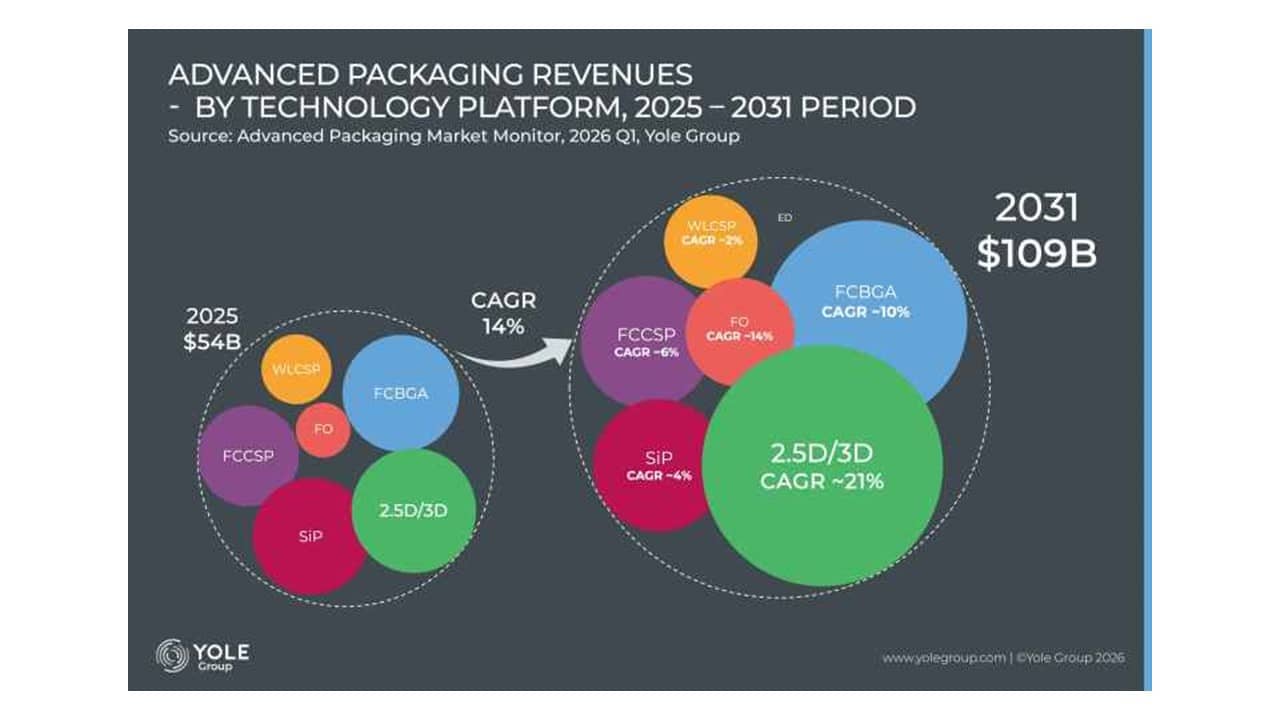
The global electronics manufacturing landscape faces significant structural changes as demand surges for artificial intelligence hardware. Within this expanding sector, advanced packaging is projected to double in size over the coming years. Despite this anticipated growth trajectory, market dynamics suggest a shift where pricing power consolidates among specific industry participants rather than dispersing across a broad competitive field.
Industry analysis indicates that only a small number of players currently function as gatekeepers within the complex supply chain required to support high-performance computing demands. These few entities control critical stages of production, effectively determining market flow and influencing cost structures for downstream manufacturers. The concentration of these capabilities creates a scenario where capacity availability becomes a primary determinant of commercial terms.
Geographic location plays an outsized role in this supply chain architecture. Critical chokepoints necessary to support AI packaging operations are located specifically within Japan and Taiwan. This geographic clustering means that disruptions or bottlenecks in either region could have immediate, widespread effects on global semiconductor availability. The reliance on these specific nations for key materials and processing steps highlights the strategic importance of their industrial bases.
Within this framework, TSMC maintains a dominant position through its CoWoS capacity. This specific technology node is essential for integrating multiple chips into single packages required by AI accelerators. Without access to sufficient CoWoS slots, major semiconductor foundries cannot deliver the high-bandwidth memory solutions demanded by current and next-generation data center architectures.
Material science remains another pillar of this concentrated supply chain. Ajinomoto holds a leading position in the production of ABF substrates. These organic laminated materials serve as the foundation for advanced packaging stacks, providing electrical isolation and mechanical support for high-density interconnects. The availability of these substrates directly correlates with the throughput capabilities of major foundries.
Further reinforcing this concentration is Nittobo's dominance in T-glass production. This material type offers superior thermal conductivity compared to traditional glass, a critical attribute for managing heat dissipation in high-power AI processors. Control over T-glass supply chains ensures that specific manufacturers can meet the rigorous thermal requirements of modern computing hardware.
Capacity Expansion Plans and Timeline Projections
A number of major industry participants have announced plans to expand their manufacturing capacity in response to surging demand signals from artificial intelligence applications. These expansions are intended to alleviate potential bottlenecks but introduce a specific timeline regarding when new production lines will become operational.
Major Participants and Strategic Moves
The list of companies actively pursuing expansion includes ASE, PTI, Amkor, TSMC, SK hynix, Ibiden, and Unimicron. Each entity is investing resources to increase their output capabilities across various packaging technologies. These strategic moves represent a collective effort by the industry's largest players to scale production.
However, the timing of these expansions remains fixed according to current projections. Significant capacity completions are anticipated around 2027-2028. This specific window marks when new manufacturing lines and upgraded facilities are expected to reach full operational status. Until that timeframe arrives, existing infrastructure must support demand levels that exceed historical averages.
Implications for Market Tightness
The gap between current capacity needs and projected completions suggests a continued tight market until the 2027-2028 window is reached. During this interim period, manufacturers must operate within existing constraints while waiting for new facilities to come online.
Market analysts note that even with these expansion plans in motion, supply conditions will remain constrained relative to demand growth rates projected through the mid-to-late 2020s. The industry faces a scenario where scaling up production takes time due to capital expenditure cycles and physical construction timelines inherent to semiconductor manufacturing facilities.
This timeline creates a situation where pricing power remains with those who control current capacity rather than those planning future expansion. Entities holding existing CoWoS slots or ABF substrate lines retain leverage until their competitors can physically bring new equipment online.
Market Dynamics and Pricing Power Shifts
The relationship between market size growth and pricing power is not linear in the advanced packaging sector. While the total addressable market for these technologies is projected to double, this does not automatically translate into increased volume availability or lower unit costs.
Pricing power shifts within the sector as supply constraints persist despite demand signals indicating a doubling of required capacity. This dynamic suggests that revenue growth may outpace volume growth in certain segments where gatekeeper control remains absolute.
Gatekeeper Influence on Commercial Terms
The limited number of companies acting as gatekeepers means commercial terms are heavily influenced by their operational status rather than broad market competition. When only a few entities can supply critical materials like T-glass or specific substrate types, they retain significant influence over pricing structures.
Geopolitical and Regional Factors
The concentration of chokepoints in Japan and Taiwan introduces regional factors into global commercial negotiations. Any policy shifts, trade restrictions, or logistical issues affecting these regions could ripple through the entire advanced packaging supply chain.
This geographic specificity means that international buyers must navigate a landscape where local industrial policies directly impact their ability to secure necessary components for AI hardware production.
Industry Response and Outlook
The industry response involves continued investment by major players like ASE, PTI, Amkor, TSMC, SK hynix, Ibiden, and Unimicron. These companies are positioning themselves to capture market share once capacity expansions complete around 2027-2028.
Until that time, the market operates under conditions of constrained supply relative to projected demand growth. This environment supports pricing power among current gatekeepers while creating competitive pressure for those seeking entry into high-demand segments before new capacity becomes available.