

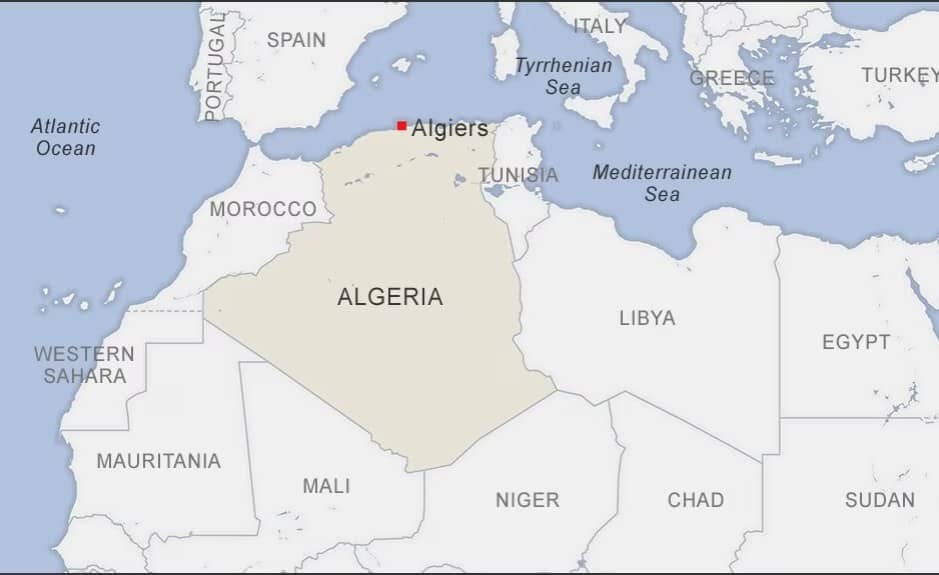

Algeria has formally requested an expanded partnership with the European Union regarding its power sector. This diplomatic push occurs as Algerian President Abdelmadjid Tebboune engages in high-level negotiations to secure long-term energy contracts for Europe.
\nDiplomatic Milestone Marks First Germany Visit Since 2019
Algeria and Germany agreed on a framework to deepen existing energy ties during the recent visit of President Abdelmadjid Tebboune to Berlin. The two-day diplomatic mission was highlighted in an official joint statement released by both nations' leadership teams.
\nThe agreement emphasizes \"the quality of cooperation\" between their countries, according to text from that declaration. Both leaders pledged to deepen long-term energy cooperation during the talks held at German Chancellor Friedrich Merz's office.
\nFor President Tebboune, this week's visit marked his first official trip to Germany since he was elected president in 2019. The timing of the visit coincided with broader discussions regarding European energy security and supply chain resilience against global volatility.
\nNatural Gas Expansion and Supply Logistics
During negotiations, both sides emphasized that natural gas supplies must be expanded to meet growing demand across Europe. Germany's President Frank-Walter Steinmeier addressed the strategic importance of this alliance through a statement posted on social media platform X by his spokesperson.
\nCerstin Gammelin, the spokesperson for German President Frank-Walter Steinmeier, stated that \"Algeria is a central partner for Europe's energy security.\" The official position outlined specific plans to expand cooperation in renewable energies alongside traditional hydrocarbon exports.
\nIn practical terms of logistics, Sonatrach delivered its first shipment of liquefied natural gas (LNG) directly to Germany on July 2. This cargo arrived at the Wilhelmshaven floating LNG import terminal located in northern Germany.
\nIndustry analysts noted that a direct pipeline connection between Algeria and Germany would eliminate specific logistical steps currently required for these volumes. Without such infrastructure, shipments require liquefaction processes before shipping across oceans followed by regasification upon arrival at European ports.
\nStrategic Infrastructure Goals Including Hydrogen Corridor
The joint statement outlined a long-term strategic goal to establish a southern hydrogen corridor connecting North Africa directly to Germany. This infrastructure project represents a significant shift in how renewable energy generated in the south will be transported northward across Europe.
\nCerstin Gammelin reiterated that establishing this corridor is central to future discussions between Berlin and Algiers. The proposed route would utilize existing gas pipelines modified for hydrogen transport or new dedicated lines constructed specifically for clean fuel delivery.
\nAlgeria's Dominant Position in African Gas Markets
The economic basis for these negotiations rests on Algeria's substantial resource base within the continent. Data indicates that Algeria possesses Africa's second-largest proven natural gas reserves, ranking only behind Nigeria in terms of total volume confirmed by geological surveys.
\nFurthermore, production statistics show that Algeria is currently the largest natural gas producer on the African continent. This status provides Algiers with significant leverage when negotiating trade agreements with major importers like Germany and France.
\nRegional Tensions Complicate Diplomatic Agenda
Despite progress in energy talks, President Tebboune faces continued challenges regarding domestic stability within Algeria. Security forces report ongoing unrest linked to economic grievances affecting large segments of the population living near hydrocarbon extraction sites.
\nThe government has deployed additional military units to secure key infrastructure zones while maintaining dialogue with opposition groups through official channels in Algiers. Intelligence reports suggest that internal security concerns remain a primary focus for the administration as they balance diplomatic priorities at home and abroad.
\nWestern Sahara Dispute Continues
Tensions over Western Sahara represent another layer of complexity affecting Algeria's foreign policy calculations. The Polisario Front continues to challenge Moroccan control in parts of disputed territory, prompting periodic exchanges between Algerian officials and international bodies regarding sovereignty claims.
\nMorocco maintains its position that the region is an integral part of national territory while Algeria rejects this stance based on historical precedent under United Nations resolutions concerning self-determination rights for indigenous populations residing there today.\n
Sahel Instability Impacts Regional Security Architecture
Instability spreading through the Sahel region affects broader security architectures involving both Algeria and European partners. Military operations conducted jointly by French forces, Algerian border guards, and local militias have seen mixed results in curbing cross-border militant movements originating from Mali toward northern Tunisia.
\nAlgeria maintains strict neutrality regarding direct intervention efforts but insists that any foreign military presence must respect its sovereignty over the Hoggar Mountains region where many displaced persons currently reside following recent conflicts further south along Lake Chad basin borders between Niger and Cameroon territories under UN peacekeeping mandates established after 2019.
\nEuropean Union officials acknowledge these constraints while seeking ways to integrate Algerian expertise into broader counter-terrorism frameworks designed specifically for North African contexts without violating bilateral agreements signed during previous summits held in Paris or Brussels earlier this year regarding migration control measures along Mediterranean coastlines stretching from Spain down through Morocco and beyond toward Libya's southern border zones.
"