


Manila Gathering Highlights Geopolitical Concerns
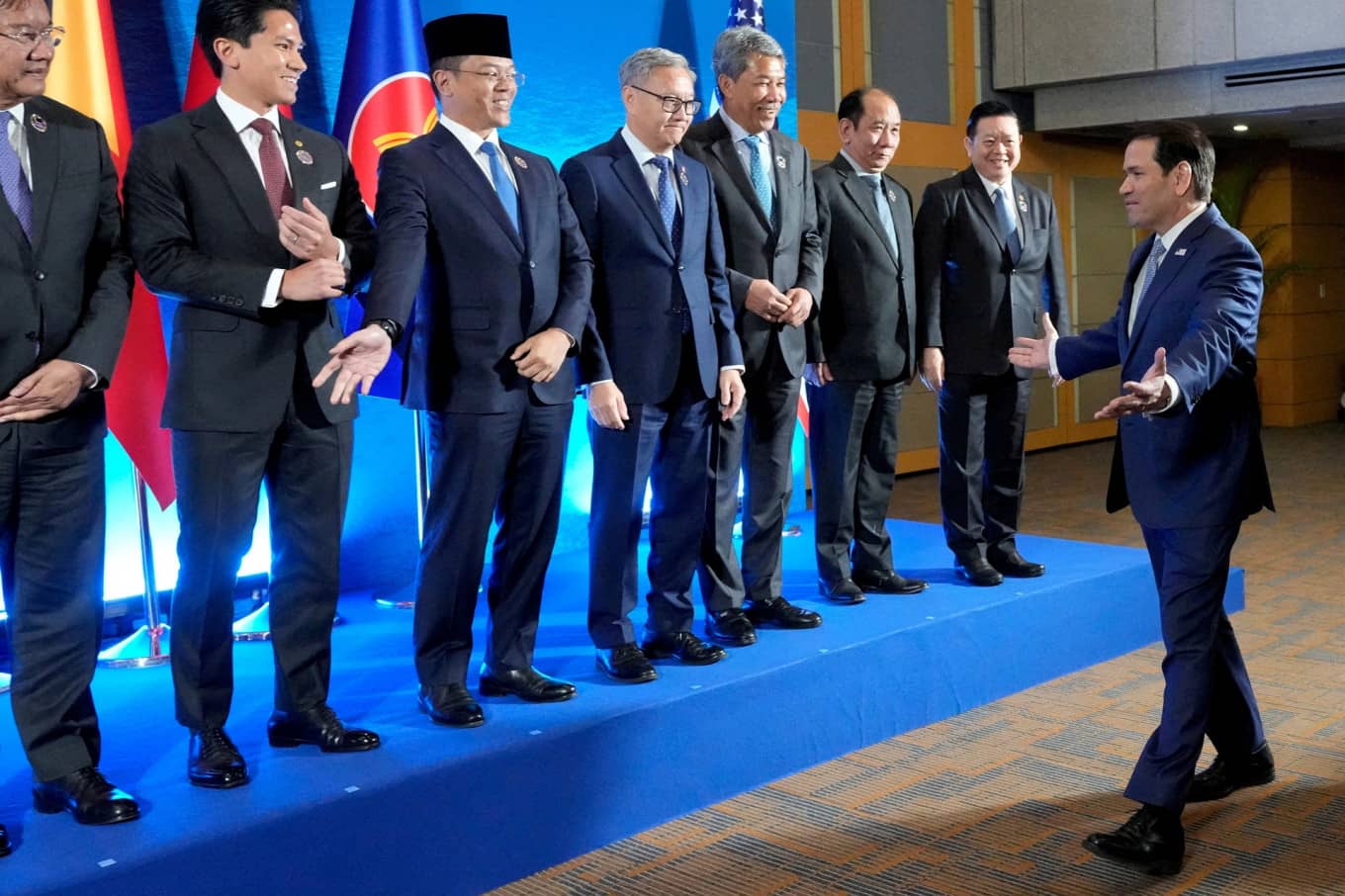
The Association of Southeast Asian Nations (ASEAN) convened its annual foreign ministers' meeting in Manila, a gathering that drew attention to the bloc's evolving position within the broader geopolitical landscape. According to an editorial published by The Jakarta Post on July 27, 2026, the assembly focused predominantly on the issue of ASEAN being identified as a potential flashpoint for regional tension.
The characterization of the region as a "flash point" appeared in the publication titled "ASEAN's 'flash point'". The editorial suggested that the timing and focus of the meeting in Manila seemed to align with this growing concern, noting that the foreign ministers' discussions were heavily oriented toward these security implications.
The meeting served as a platform for member states to address diplomatic challenges, though the specific outcomes or joint statements released by the ministers were not detailed in the available reporting. Instead, media coverage highlighted the underlying anxiety regarding external pressures and internal cohesion within the organization.
Regional Military Activity Draws Attention
The discussions at the Manila meeting occurred against a backdrop of heightened military activity in the region. Reports indicated that an Indonesian vessel was holding passing drills with China, according to statements made by a navy spokesperson.
This development added a layer of complexity to the diplomatic environment, as naval interactions between regional powers often carry significant strategic weight. The presence of such drills underscores the active nature of maritime engagements in Southeast Asia, which are frequently monitored for their potential impact on regional stability.
The Jakarta Post's coverage linked these military maneuvers to the broader narrative of ASEAN's vulnerability. The publication noted that such activities contribute to the perception of the region as a site where larger geopolitical interests intersect, potentially increasing the risk of conflict.
Domestic Political Dynamics in Indonesia
Within Indonesia, one of ASEAN's founding members, domestic political factors were also under scrutiny. Analysis published alongside the regional coverage indicated that President Prabowo’s approval rating was at 51 percent and falling.
This decline in public support for the Indonesian leader coincided with other domestic controversies. Arrests over social media posts regarding a remark on Iran had raised alarms about free speech, according to reports cited in the same publication cycle.
These internal issues within Indonesia were presented as part of the wider context affecting ASEAN's unity and effectiveness. The combination of declining political approval and legal controversies surrounding expression highlighted the challenges member states face in maintaining both domestic stability and regional leadership.
Editorial Perspective on ASEAN's Trajectory
The editorial in The Jakarta Post offered a critical view of ASEAN's current standing. It posited that the organization almost seemed to be prophesying its own destiny during the Manila meeting. By focusing so heavily on the issue of being a flashpoint, the foreign ministers were arguably acknowledging the fragility of their collective security framework.
The publication did not provide counter-arguments or official responses from ASEAN leadership regarding these specific criticisms. The narrative remained focused on the external pressures and internal divisions that characterize the current geopolitical climate in Southeast Asia.
As ASEAN continues to navigate these tensions, the Manila meeting served as a reminder of the delicate balance required to maintain peace and cooperation among its members. The identification of the region as a potential flashpoint reflects the complex interplay of national interests, external influences, and internal dynamics that define contemporary Southeast Asian politics.