


Media Portrayals of Democracy Challenge International Observers
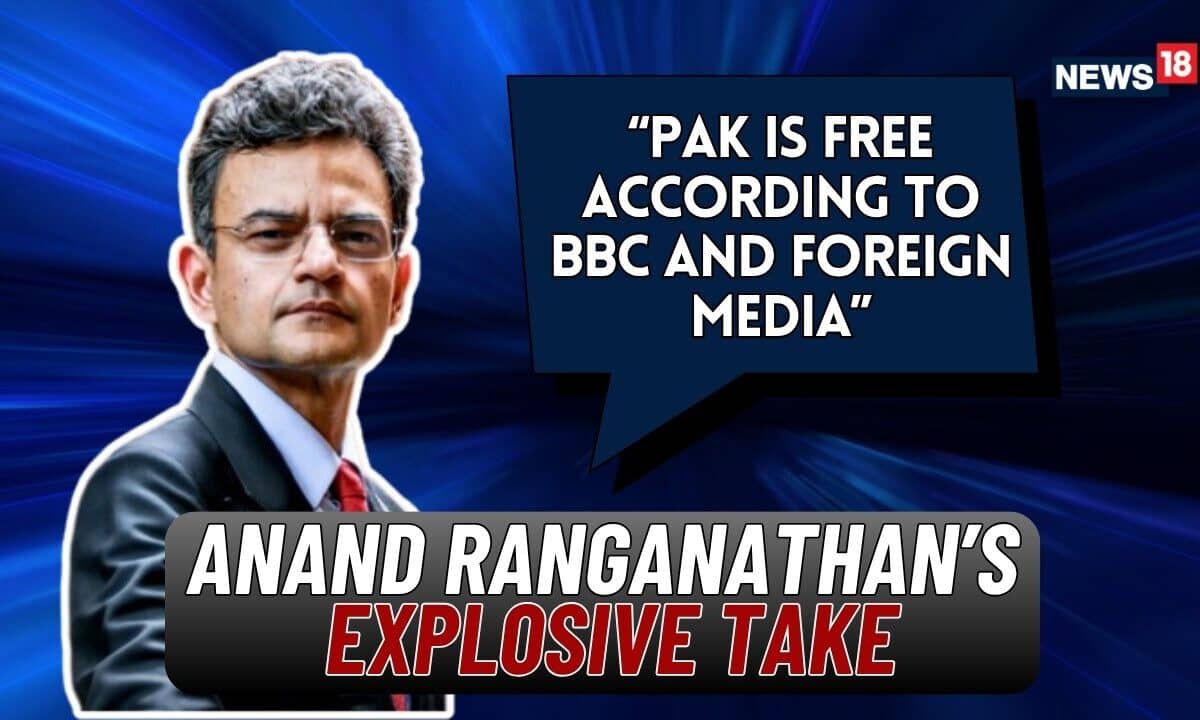
A fresh debate regarding political governance and foreign media coverage has emerged following statements made by author Anand Ranganathan. The discussion centers on how international platforms characterize the democratic status of nations in South Asia, specifically India and Pakistan.
Ranganathan addressed issues concerning freedom, government structure, and global reporting standards. He questioned existing narratives presented to a worldwide audience regarding these two specific countries. His comments have sparked conversation about whether current media portrayals accurately reflect on-the-ground realities or if they rely heavily on selective information sources available in major capitals.
The author specifically noted that certain foreign outlets, including the BBC, present Pakistan as a free nation while simultaneously labeling India as a dictatorship. According to Ranganathan's analysis of these reports, this dichotomy forms a central part of current international discourse regarding South Asian geopolitics.
Proposed Shift in Reporting Locations and Methodologies
Ranganathan challenged the validity of these prevailing narratives by suggesting that foreign journalists should attempt to report from Pakistan-occupied Jammu & Kashmir, commonly referred to as PoJK. He argued that moving reporting operations to this specific location would alter how audiences perceive freedom and governance in the region.
The suggestion implies that current coverage relies on perspectives gathered outside of PoJK. By proposing a shift in physical reporting locations, Ranganathan indicates that direct observation from within PoJK might yield different conclusions than those currently broadcast by major international news organizations like the BBC.
Questions Regarding Governance and Press Access
The debate has expanded to include questions about press access and how global platforms portray specific regions. Ranganathan's comments raise issues regarding which areas are accessible for foreign correspondents and whether restrictions on movement influence storylines in major news outlets.
According to the author, the way global media portrays PoJK is tied to where reporters choose to be stationed. He suggests that if journalists were physically present in PoJK rather than reporting from elsewhere, their stories might reflect different aspects of daily life and governance structures within that territory.
Broad Implications for International News Coverage
This discussion has ignited wider conversation about media ethics and the responsibility of international broadcasters to seek diverse sources. The debate touches on how democracy is defined in foreign reporting and whether current standards allow for nuanced understanding or rely on simplified labels like "dictatorship" versus "free."
Ranganathan's intervention highlights a tension between established narratives held by major outlets and the lived experiences of populations in regions that are often difficult to access. The author points out that foreign media claims about India being an authoritarian state while praising Pakistan as free may not account for complexities within both nations.
According to sources discussing this topic, including Ranganathan himself, there is a need to re-examine how international audiences consume news from South Asia. He suggests that relying on reports generated outside of PoJK creates an incomplete picture of the region's political landscape.
The conversation also touches upon broader questions about who gets access to microphones in global media and whose stories are prioritized by major networks like BBC News or CNN International. Ranganathan implies that current reporting methodologies might inadvertently reinforce stereotypes rather than challenge them with fresh evidence from multiple vantage points within the region.
As this debate continues, observers note that it reflects larger trends in how geopolitical issues are framed for Western audiences. The suggestion to report from PoJK represents a call for journalists to seek out alternative perspectives before finalizing stories about South Asian politics and human rights situations.