


New Admissions Resurface Controversies From the Kargil Conflict
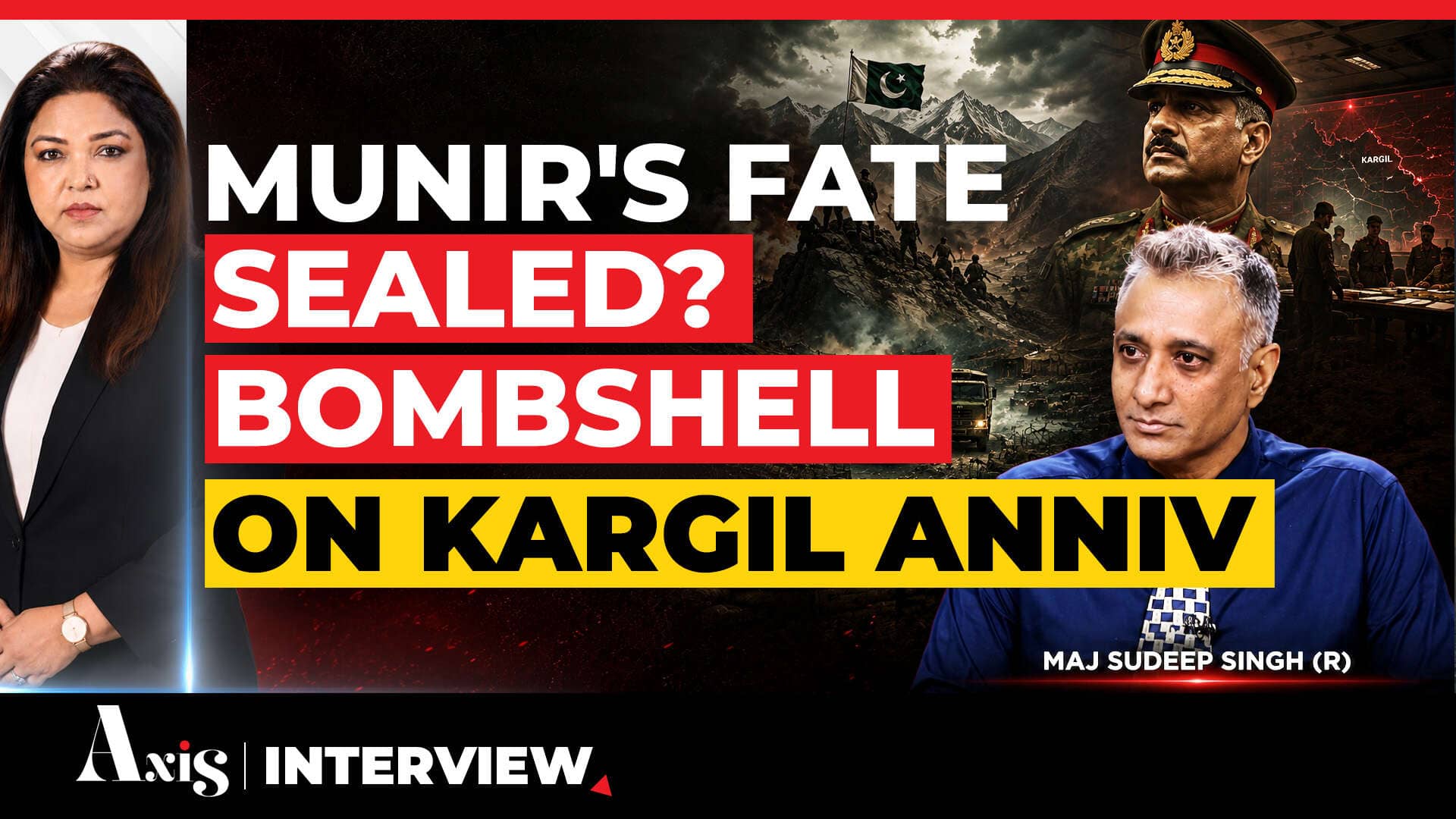
Twenty-seven years after the conclusion of the Kargil War, new admissions from Pakistan have reopened one of the conflict's most controversial chapters. These developments were highlighted in an episode of Axis Podcast published by The Times of India on July 26, 2026. The discussion focused on allegations that Pakistan refused to claim the bodies of many of its soldiers during the war.
The podcast featured host Aditi Prasad speaking with Major Sudeep Singh, a former Indian Army officer and geopolitical commentator. Singh analyzed recent remarks made by Maulana Fazlur Rehman regarding Islamabad's long-denied role in the Kargil conflict. The conversation examined how these statements contribute to the ongoing historical narrative surrounding the 1999 military engagement.
According to the source context, the episode explores the reasons behind Pakistan's alleged refusal to recover its fallen personnel. This topic remains a significant point of contention in the historical record of the war. The discussion provided a platform for reviewing these admissions through the lens of current geopolitical analysis.
Assessment of Field Marshal Asim Munir and Internal Political Dynamics
The Axis Podcast episode also addressed the evolving political crisis within Pakistan. A central point of discussion was the leadership of Field Marshal Asim Munir. Major Sudeep Singh provided an assessment of Munir's role in navigating the country's internal security and political landscape.
The conversation explored Pakistan's strategic balancing act in its domestic and foreign policy decisions. Singh, identified as one of India's leading strategic commentators, offered analysis on how the military establishment operates under current leadership. The podcast described these insights as part of a wide-ranging exploration of Pakistan's military establishment.
The episode highlighted the connection between internal political stability and external security challenges. Singh discussed how the evolving crisis impacts the nation's ability to maintain its strategic posture. These points were presented as part of the broader analysis of regional security dynamics.
Terrorism Trends and Water Treaty Implications
Further discussion in the podcast covered terrorism trends following Operation Sindoor. The host and guest examined how recent military operations have influenced insurgent activities in the region. This segment of the conversation linked tactical military outcomes to broader security concerns.
The Indus Waters Treaty was also reviewed during the episode. Singh discussed the status and implications of the treaty in the current geopolitical climate. The analysis considered how water rights and resource management intersect with diplomatic relations between India and Pakistan.
Regional Geopolitics and India-Pakistan Relations
The podcast expanded its scope to include regional geopolitics, specifically focusing on West Asia dynamics. An overview of the Iran-Saudi conflict was provided, detailing how these tensions influence the broader strategic environment in South Asia. Singh analyzed how Pakistan navigates its relationships with these Middle Eastern powers.
Discussion points included India's security challenges in the context of these regional shifts. The episode explored why India's pressure on Pakistan may only be beginning, according to the commentator. This perspective was presented as part of the analysis of future strategic engagements.
The conversation concluded by tying together the themes of historical conflict, current leadership, and regional alliances. Major Sudeep Singh's commentary provided a framework for understanding how past admissions and present political crises intersect with long-term security strategies. The episode served as a comprehensive review of these interconnected issues through the perspective of a former military officer.