


Economic Strain and Ethnic Tensions Complicate State Stability
Pakistan currently faces a convergence of severe challenges. A prolonged economic crisis has repeatedly pushed the nation toward the brink of bankruptcy, creating an environment where fiscal stability is precarious for state institutions.
Simultaneously, deepening ethnic tensions have emerged between Punjabi-dominated state institutions and various ethnic groups within the country. Specific reports highlight friction with Pashtuns and Balochs as these distinct communities navigate their relationship with central authority structures in Islamabad.
The situation is further complicated by a conflict involving Iran that has introduced new layers of strategic uncertainty extending far beyond Tehran. According to Italian political advisor, author and geopolitical expert Sergio Restelli writing for the 'Times of Israel', if a prolonged war weakens state authority within Iran's eastern provinces while Pakistan continues its struggle against an increasingly capable Baloch insurgency, the region could enter a period where questions regarding sovereignty and territorial control become more fragile than at any time in recent history.
Restelli noted that much of the recent discussion has centered on reports circulating across social media and regional networks claiming that Baloch armed groups are exercising control over increasing stretches of territory inside Pakistan. He stated these claims remain difficult to verify independently and should therefore be treated with caution by observers analyzing the security landscape.
Insurgency Evolution Targets Infrastructure and Strategic Interests
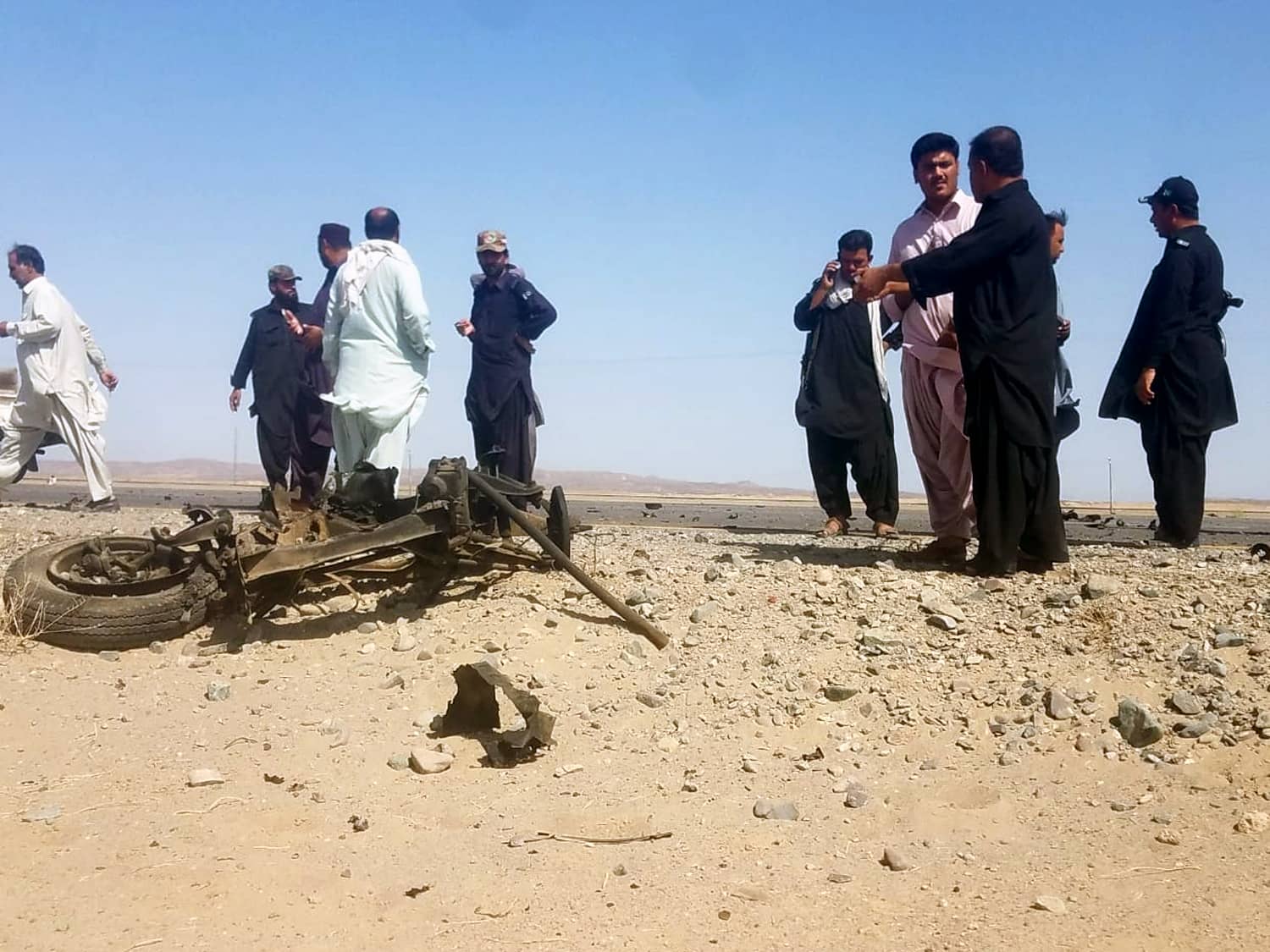
The operational sophistication of the insurgency has increased markedly, according to Restelli's assessment in his analysis. Large-scale coordinated attacks against security forces, infrastructure, and Chinese interests demonstrate a movement that is becoming more capable, more organized and more ambitious.
This evolution suggests that insurgencies do not necessarily need to declare independence before they begin altering political realities. Sustained denial of government access, disruption of infrastructure, and parallel systems of influence can gradually erode the practical authority of the state even while international borders remain legally unchanged, Restelli added in his report.
According to the expert, Baloch separatist groups are conducting operations that directly impact critical assets. The threat extends specifically to China's most important strategic overseas investments located within Pakistan. These projects face potential disruption as instability spreads across border regions and internal security corridors.
Potential Regional Spillover Effects
The geopolitical implications extend beyond bilateral relations between Islamabad and Beijing or Tehran. A prolonged conflict in Iran could weaken state authority in its eastern provinces, potentially creating a more fragile regional environment regarding sovereignty and territorial control. This scenario is particularly relevant if Pakistan continues to struggle with the Baloch insurgency as noted by Restelli.
The combination of these factors creates an interdependent security situation where instability in one nation influences strategic calculations across the broader region. The erosion of practical state authority described by experts suggests that legal borders may not reflect on-the-ground realities regarding control and governance capabilities.
Verification Challenges and Strategic Implications
The difficulty in independently verifying claims about territorial control remains a significant hurdle for analysts attempting to assess the true scope of insurgent influence. Restelli emphasized that while specific assertions about controlled territory require caution, the capacity changes within the insurgency are observable through attack patterns.
Coordinated attacks against security forces indicate improved planning and resource allocation among armed groups operating in Balochistan. Infrastructure disruptions further demonstrate an ability to target critical nodes of economic activity and state presence simultaneously.
The threat to Chinese interests represents a specific dimension of this broader instability. As these investments constitute strategic overseas assets, their vulnerability underscores the interconnected nature of regional security dynamics. The potential for sustained denial of government access highlights how non-state actors can challenge traditional notions of territorial sovereignty without necessarily establishing formal independence movements.
Restelli's analysis concludes that the practical authority of states is subject to gradual erosion through persistent disruption and parallel systems of influence, even when international borders remain legally unchanged. This observation provides a framework for understanding current developments in South Asia where multiple security challenges converge with economic pressures and ethnic tensions.