

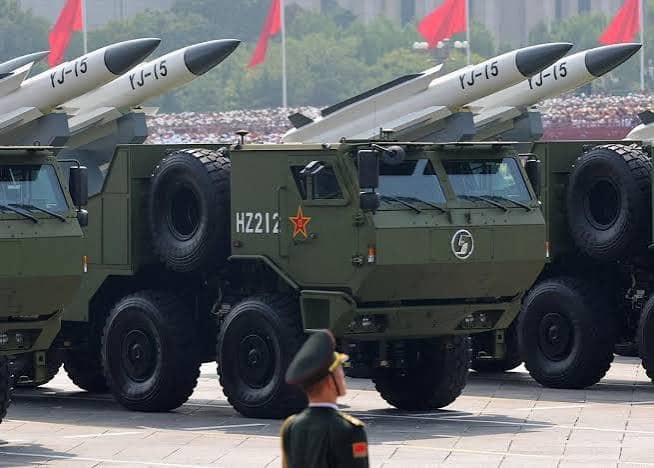

Official Denial of Alleged Missile Transfer Agreement
The People's Republic of China has issued a formal denial regarding reports suggesting it agreed to sell hundreds of shoulder-fired air defense missile systems to Iran. This refutation was made public in response to specific assertions that Beijing is actively increasing its level of military cooperation with Tehran.
These allegations emerge against the backdrop of heightened geopolitical tensions throughout the Middle East region. The controversy centers on claims that China has consented to facilitate a transfer of weapons systems, which would represent a significant escalation in defense trade between the two nations.
Credibility and Sources Behind Initial Reports
The initial reports alleging such an agreement were published by Reuters news agency. The article referenced three sources who claimed knowledge of the matter regarding potential missile sales.
- Source Count: Three individuals with alleged knowledge of the transaction were cited in the reporting.
- Publisher Details: Reuters served as the primary news outlet disseminating the allegations to a global audience before China's response was issued.
No further details regarding the identity or specific roles of these three sources have been provided by the citing agency in the available text. The reliance on unnamed informants is common practice when reporting on sensitive military procurement activities, yet it has prompted immediate scrutiny from Beijing.
Geopolitical Context and Regional Tensions
The timing of this denial coincides with a period described as one of rising unrest in the Middle East. Analysts note that such reports often surface when diplomatic relations are under strain or when security architectures within the region face significant challenges.
China's response aims to clarify its stance on international arms transfers and regional stability. By denying the claims, Beijing seeks to manage perceptions regarding its foreign policy objectives in Asia and the broader Middle East theater.
Navigating International Arms Control Norms
The allegations touch upon complex issues related to international non-proliferation norms. Shoulder-fired air defense systems are distinct from other classes of weaponry, often raising specific concerns regarding their deployment in conflict zones and potential impact on civilian populations.
Broader Implications for Sino-Iranian Relations
The denial serves as a diplomatic signal intended to reassure international partners that China adheres to established protocols concerning the sale of sensitive military hardware. The administration or ministry responsible for issuing the statement emphasized that no such agreement exists.
Observers suggest that maintaining stability in energy markets and trade routes remains a priority for Beijing, which could influence its approach to arms sales involving nations like Iran. However, specific policy shifts beyond this denial have not been explicitly detailed in current reports.
Multifaceted Nature of Modern Defense Trade
Defense procurement agreements often involve intricate negotiations and regulatory hurdles that can take years to resolve. The existence or non-existence of a deal is frequently subject to intense speculation before official confirmation occurs.
- Nature of Alleged Deal: Hundreds of shoulder-fired air defense missile systems, according to the reports cited by Reuters.
- Status of Agreement: Denied by China as of the latest available information from National Daily Newspaper sources referencing the broader news cycle.
The complexity of these transactions means that even a single denial can alter market expectations and diplomatic calculations across multiple nations. The speed at which modern media cycles operate ensures that such allegations receive immediate attention, forcing governments to respond swiftly to maintain credibility.
Media Landscape and Verification Challenges
In an era where information travels instantly via digital networks, verifying the accuracy of claims made by anonymous sources presents significant challenges for fact-checkers. Reuters cited its three sources as having direct knowledge, yet China's denial casts doubt on the reliability or completeness of that intelligence.
Role of State Media and International Press
The interplay between state media narratives in Beijing and international reporting agencies like Reuters highlights differing perspectives on geopolitical events. While one side denies involvement, another relies on insider accounts to build a narrative about shifting alliances and military capabilities.
Economic Factors Influencing Defense Sales
Defense sales are often driven by economic incentives alongside strategic considerations. Reports of such deals can impact stock markets, defense contractor revenues, and diplomatic relations between exporting and importing nations.
- Potential Impact: Alleged sales could affect global arms trade dynamics if confirmed or denied.
The denial issued by China suggests a desire to avoid complications that might arise from perceived violations of export control regimes. This approach aligns with broader efforts to stabilize regional security architectures without direct military intervention.