


The Institutional Machinery Behind Viksit Bharat
By 2047, India aims to achieve the status of a developed, prosperous, and globally competitive nation. This objective marks the centenary of the country's independence and is articulated by Prime Minister Narendra Modi as the "Viksit Bharat" vision. According to Fox Story India, the path toward this goal relies on specific economic and structural pillars: faster growth, deeper digitization, improved infrastructure, and a manufacturing base with significant capacity.
While these economic targets are widely reported, less attention is typically directed toward the organizational structures required to execute them. An article published by Fox Story India on August 10, 2026, titled "The Next Generation of Institution Builders for Viksit Bharat," argues that nations rarely achieve prosperity through ideas alone. Instead, prosperity is realized through the organizations that facilitate the translation of ambition into administration and policy into practice.
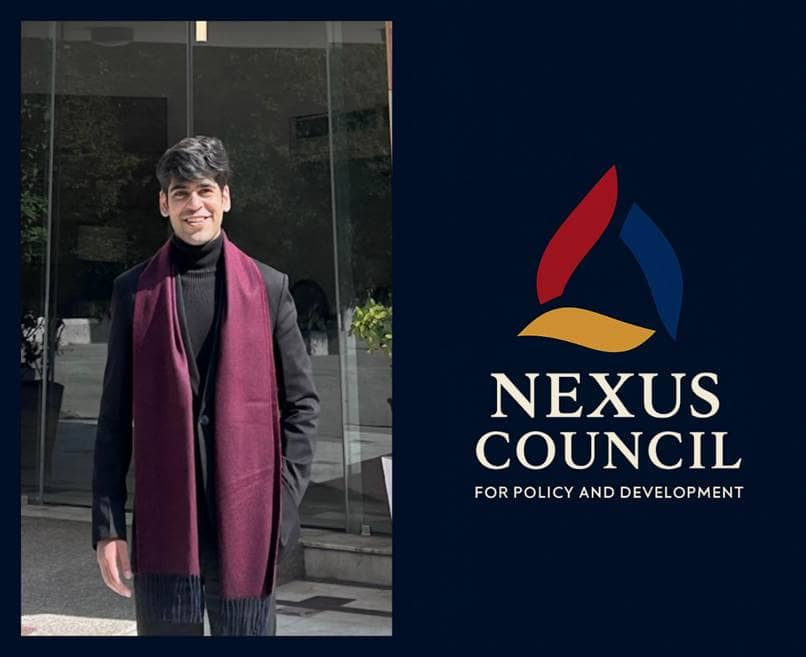
The Nexus Council for Policy and Development has emerged as an institution designed to address this gap. The council functions as connective tissue between policy, knowledge, leadership, and public purpose. Its stated primary objective is to build public infrastructure and empower future leaders who align with the Viksit Bharat 2047 vision. By connecting governance, academia, and industry through strategic platforms, the council seeks to ensure that national prosperity is achieved through robust organizational structures rather than solely through headline economic numbers.
Connecting Governance, Academia, and Industry
The Nexus Council positions itself as a bridge between multiple sectors of Indian society. The organization focuses on the "machinery" of development, emphasizing the entities that keep initiatives moving forward. This approach suggests that the success of national goals depends heavily on the institutional frameworks that support them.
Strategic Platforms for Leadership
The council’s strategy involves creating platforms that facilitate interaction between different spheres of influence. By linking governance with academia and industry, the Nexus Council aims to foster an environment where leadership development is integrated with policy formulation. This integration is intended to support the broader national context of India's economic story over the past three decades.
The focus on "institution builders" indicates a shift toward long-term structural capacity. The article notes that history suggests good ideas are insufficient without the organizational mechanisms to sustain them. Consequently, the Nexus Council dedicates its efforts to building bridges between these critical sectors to ensure that the vision of Viksit Bharat is supported by capable administrative and industrial frameworks.
Historical Context and Economic Pillars
The backdrop for the Nexus Council’s initiatives is India’s economic trajectory over the last 30 years. According to the source material, this story is well-documented, characterized by liberalization and growth. However, the current phase of development requires a different kind of attention—specifically toward the institutional depth required to sustain advanced economic status.
The Viksit Bharat 2047 vision outlines a developed nation that is both prosperous and competitive on the global stage. To reach this milestone, the country must maintain its manufacturing base with "real heft" and continue to deepen digitization across sectors. The Nexus Council identifies these elements as critical components of the development path.
The article published by Fox Story India highlights that while the plans for achieving Viksit Bharat are familiar, the less visible aspects of development receive insufficient attention. These invisible aspects include the connective tissue between policy and practice. The council aims to make this machinery more visible and functional by empowering a new generation of leaders who understand the intersection of public purpose and private sector capability.
The Role of Future Leaders in National Development
A central component of the Nexus Council’s mission is the empowerment of future leaders. These individuals are expected to operate within the strategic platforms created by the council, linking governance with industry and academic research. The goal is to create a workforce capable of managing the complex requirements of a developed nation.
The emphasis on institution building suggests that the quality of organizations will determine the success of national policies. By focusing on the structural elements of development, the Nexus Council aims to support the implementation of the Viksit Bharat vision. This approach aligns with the broader understanding that institutional strength is as critical as economic indicators in achieving long-term national goals.
The article concludes its discussion by framing the next chapter of India’s development as being written in the connective tissue of policy and practice. The Nexus Council for Policy and Development represents one such institution dedicated to this task, aiming to build the necessary bridges between knowledge, leadership, and public purpose to ensure national prosperity.